
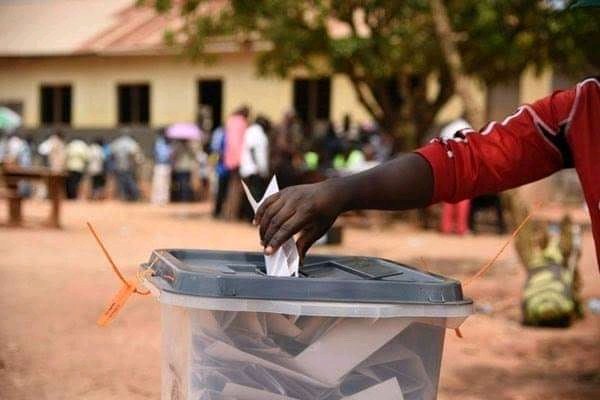
Three nominated for Kalangala Woman MP by-election
Abstract
The Electoral Commission (EC) of Uganda has commenced the nomination process for the Kalangala District Woman Member of Parliament by-election, following the untimely death of the incumbent, Hon. Helen Nakimuli, on April 19, 2026. This by-election is a constitutionally mandated process to fill the vacant parliamentary seat, ensuring continued representation for the district. The EC's role in organizing and conducting this election, including verifying candidate qualifications and adhering to established timelines, is critical to upholding democratic principles and the integrity of Uganda's electoral system. Three candidates have been nominated on the first day, setting the stage for a competitive electoral contest.
Introduction
The political landscape of Kalangala District, Uganda, is currently focused on a crucial by-election for the Woman Member of Parliament seat. This electoral exercise was necessitated by the unfortunate passing of the former Woman MP, Hon. Helen Nakimuli, on April 19, 2026, shortly after her re-election. The vacancy triggered a constitutionally mandated process, with the Electoral Commission (EC) swiftly moving to initiate the necessary steps to fill the seat and ensure uninterrupted representation for the people of Kalangala.
The commencement of nominations by the EC marks a significant phase in this by-election cycle. The process underscores the resilience of Uganda's democratic institutions in responding to unforeseen vacancies and the commitment to maintaining a fully constituted Parliament. For legal professionals and political observers, this by-election provides a practical illustration of the application of Uganda's electoral laws and the operational mandate of the Electoral Commission in managing such critical electoral events.
Background
Uganda's electoral framework is primarily governed by the 1995 Constitution of the Republic of Uganda, the Parliamentary Elections Act, 2005 (as amended), and the Electoral Commission Act. The Constitution establishes the Electoral Commission as an independent body responsible for organizing and conducting regular, free, and fair elections and referenda. Article 81(2) of the Constitution specifically addresses parliamentary vacancies, stipulating that "Whenever a vacancy occurs in Parliament, the Clerk to Parliament shall notify the Electoral Commission in writing within ten days after the vacancy has occurred; and a by-election shall be held within sixty days after the Electoral Commission has received notification."
The concept of Woman Member of Parliament seats is a result of Uganda's affirmative action policies, enshrined in the Constitution, to enhance women's political representation. Each district is allocated one Woman MP, elected through universal adult suffrage, ensuring a dedicated voice for women at the national legislative level. This framework ensures that the death of an incumbent Woman MP, as in the Kalangala case, directly leads to a by-election to preserve this constitutionally protected form of representation. The Parliamentary Elections Act, 2005, further elaborates on the procedures for by-elections, including qualifications for candidates, nomination processes, campaigning, polling, and the declaration of results.
Analysis
The by-election in Kalangala District is proceeding in accordance with the established legal framework for filling parliamentary vacancies. Upon the death of Hon. Helen Nakimuli, the Clerk to Parliament would have formally notified the Electoral Commission, triggering the 60-day constitutional timeline for holding a by-election. The Electoral Commission, acting under its constitutional mandate, then sets the nomination dates, campaign period, and polling day.
Candidates aspiring for the Woman MP seat must meet specific qualifications outlined in the Parliamentary Elections Act, 2005, and the Constitution. These include being a citizen of Uganda, at least 18 years of age, a registered voter, and possessing a minimum formal education of Advanced Level or its equivalent. The EC has emphasized strict adherence to academic qualification verification, particularly for candidates with foreign or equivalent credentials, which require certification from the National Council for Higher Education (NCHE) well in advance of nomination. The nomination process itself involves candidates submitting duly filled forms, academic documents, and other required particulars to the Returning Officer for verification.
Once nominated, candidates are permitted to campaign within the period designated and gazetted by the Electoral Commission, which monitors compliance with electoral laws and a code of conduct. The election itself will be conducted by secret ballot under universal adult suffrage. After polling, votes are counted at each polling station, results are tallied, and a winning candidate is declared by the EC. While the process aims for fairness, electoral disputes are not uncommon in Uganda. The Parliamentary Elections Act, 2005, provides for the filing of election petitions in the High Court by aggrieved candidates within a strict statutory timetable, challenging results based on irregularities or non-compliance with electoral laws.
By-elections, while essential for democratic continuity, also carry significant financial implications, often requiring supplementary appropriations from the national treasury. This highlights the economic as well as political cost of maintaining representative democracy. The EC's independence, as enshrined in Article 62 of the Constitution, is crucial for ensuring public trust in the outcome, although its impartiality has been a subject of debate in past elections.
Conclusion
The Kalangala District Woman MP by-election is a critical exercise in upholding the principles of representative democracy in Uganda. The Electoral Commission's diligent execution of its mandate, from declaring the vacancy to overseeing nominations and eventually conducting the poll, is paramount to ensuring a credible and legitimate outcome. The participation of multiple candidates in the nomination phase signals a healthy democratic contest for the vacant seat.
For legal practitioners, this by-election serves as a timely reminder of the intricacies of Uganda's electoral law, particularly concerning parliamentary vacancies, candidate qualifications, and the strict procedural requirements enforced by the Electoral Commission. Lawyers advising political parties or individual candidates must ensure meticulous adherence to all statutory timelines and documentation requirements to avoid disqualification or subsequent election petitions. Monitoring the EC's conduct, the fairness of the campaign period, and the transparency of vote tallying will be crucial for all stakeholders, as the integrity of this by-election will contribute to the broader confidence in Uganda's electoral processes.
Citations
- 1.The Constitution of the Republic of Uganda, 1995
- 2.Parliamentary Elections Act, 2005 (as amended)
- 3.Electoral Commission Act, Cap 140
How does this affect your business?
Get an AI analysis of this article grounded in your jurisdictions, practice areas, and any policy documents you've uploaded to Wansom.
Wansom is AI and can make mistakes.