
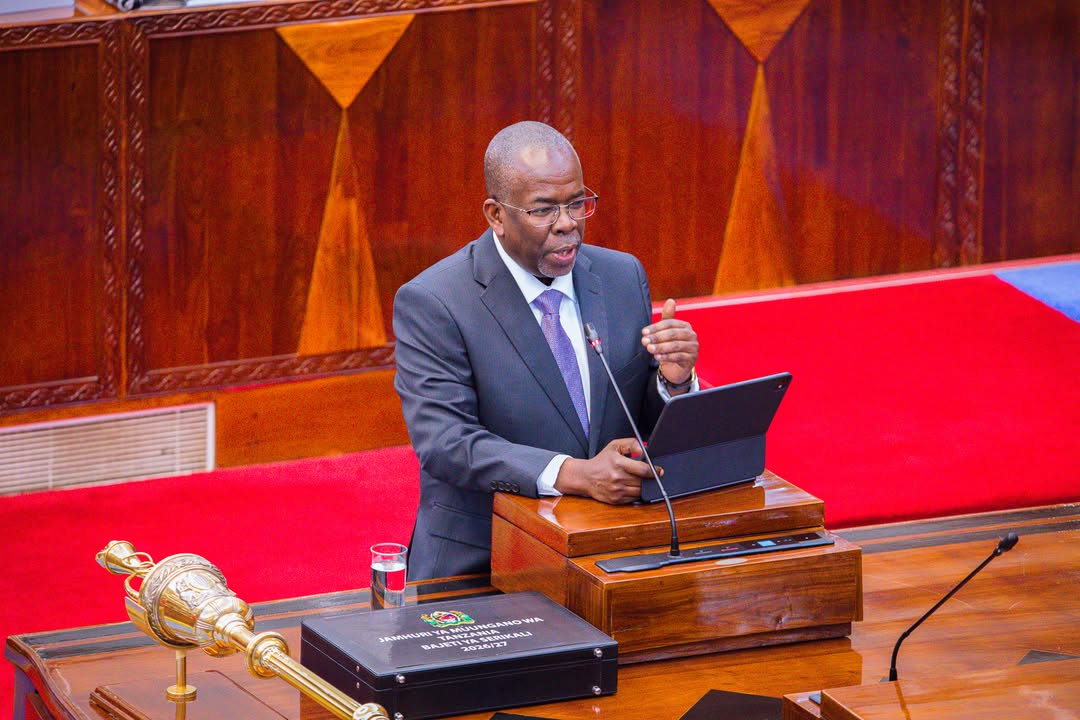
Tanzania proposes higher levies on cigarettes and sugar to fund Universal Health Insurance
Abstract
Tanzania's government has proposed significant amendments to its tax regime for the 2026/2027 financial year, introducing higher levies on cigarettes and sugar. These measures, announced by the Minister of Finance, Ambassador Khamis Mussa Omar, during the budget presentation, aim to bolster the Universal Health Insurance Fund. The proposed changes involve increasing excise duty on cigarettes under the Excise Duty Act (Cap. 147) and introducing a new levy on sugar under the Sugar Act (Cap. 251). This move underscores the government's commitment to achieving universal health coverage, as mandated by the Universal Health Insurance Act, 2023, by diversifying and strengthening domestic revenue streams for healthcare financing. Legal professionals should anticipate the enactment of these amendments through the Finance Act, 2026, and advise clients in the affected industries on the impending compliance and operational adjustments.
Introduction
The Tanzanian government has unveiled a pivotal fiscal strategy for the 2026/2027 financial year, proposing increased levies on specific goods, namely cigarettes and sugar, to fund its ambitious Universal Health Insurance (UHI) scheme. This announcement, made by the Minister of Finance, Ambassador Khamis Mussa Omar, during the presentation of the government’s revenue and expenditure estimates, signals a concerted effort to secure sustainable domestic financing for healthcare. The proposed amendments to the Excise Duty Act (Cap. 147) and the Sugar Act (Cap. 251) are designed to generate an estimated TZS 7 billion to TZS 7.5 billion in additional revenue, directly channeling these funds into the Universal Health Insurance Fund.
This development is of critical importance to legal practitioners, particularly those advising clients in the manufacturing, import, and distribution sectors of tobacco and sugar products. It highlights the government's proactive approach to implementing the Universal Health Insurance Act, 2023 (UHA), which mandates health insurance coverage for all residents. The proposed levies represent a strategic expansion of the existing 'sin tax' framework, aligning fiscal policy with public health objectives and the broader goal of achieving universal health coverage in Tanzania. Understanding the legal implications of these proposed changes, from legislative enactment to compliance burdens, is paramount for businesses and legal professionals navigating Tanzania's evolving regulatory landscape.
Background
Tanzania has long grappled with the challenge of financing its healthcare system, with historical reliance on a mix of taxation, user fees, and health insurance, often falling short of the Abuja Declaration's recommended 15% budgetary allocation to health. This context led to the enactment of the landmark Universal Health Insurance Act, 2023, which aims to provide mandatory health coverage for all citizens and residents, addressing previously low insurance penetration rates and high out-of-pocket expenditures. The UHA established the Universal Health Insurance Fund and envisioned diverse financing mechanisms, including mandatory contributions and additional revenue sources, to ensure its sustainability.
The current proposal builds upon existing legislative frameworks governing excise duties and the sugar industry. The Excise Duty Act (Cap. 147) already imposes duties on a range of goods, including tobacco products, serving both as a revenue generator and a tool for public health policy by disincentivizing the consumption of certain items. Similarly, the Sugar Act (Cap. 251) regulates the sugar industry. Previous legislative efforts, such as the Finance Act, 2025, have also introduced levies for the Universal Health Insurance Fund from sources like gambling winnings and increased excise duties on beer, demonstrating a pattern of leveraging specific sectors to fund healthcare initiatives. The proposed amendments for the 2026/2027 financial year are therefore a continuation of this strategic approach, further solidifying the financial foundation of the UHI scheme.
Analysis
The proposed amendments to the Excise Duty Act (Cap. 147) and the Sugar Act (Cap. 251) represent a direct legislative response to the financing requirements of the Universal Health Insurance Act, 2023. Specifically, the increase of 20/- in excise duty for every 1,000 cigarettes (HS Headings 24.02 and 24.03) and the introduction of a 10/- per kilogram levy on both locally produced and imported sugar are significant. These measures are expected to be incorporated into the annual Finance Act, which typically follows the budget speech and is implemented from July 1 of the new financial year.
From a legal perspective, the amendments will necessitate careful review by affected businesses. For the tobacco industry, the increased excise duty will directly impact production costs and pricing strategies. Compliance with the revised rates under the Excise Duty Act (Cap. 147) will be crucial, with potential penalties for non-compliance as stipulated in the Act. Similarly, the new levy on sugar, to be collected by the Tanzania Sugar Board and remitted to the Universal Health Insurance Fund, introduces an additional cost component for sugar producers and importers. This could lead to increased administrative burdens and require adjustments to supply chain and financial reporting systems.
The use of 'sin taxes' and levies on commodities like sugar to fund health initiatives is a globally recognized practice, often justified on public health grounds by discouraging consumption of unhealthy products while simultaneously generating revenue. However, such measures can also raise questions about their regressive impact, potentially disproportionately affecting lower-income consumers. Legal challenges, though not explicitly mentioned in the context of these specific proposals, could arise if stakeholders perceive the levies as arbitrary, discriminatory, or exceeding legislative authority. The narrow consultation window for tax reforms in Tanzania's budget cycle, as noted by some commentators, further underscores the need for businesses to proactively engage with legal counsel to understand and prepare for these rapid changes.
Furthermore, the establishment of the Universal Health Insurance Fund as a recipient of these levies highlights the dedicated nature of this revenue stream. This earmarking of funds provides a clear legal nexus between the tax imposed and its intended purpose, potentially strengthening the government's position against any legal challenges regarding the legitimacy of the levies. The UHA itself provides a robust legal framework for the mandatory nature of health insurance, and these financing mechanisms are integral to its operationalization. The ongoing efforts to strengthen domestic resource mobilization, as articulated by the Minister, reflect a broader policy shift towards reducing reliance on external financing and ensuring the long-term sustainability of national development goals, including universal health coverage.
Conclusion
The proposed higher levies on cigarettes and sugar represent a critical step in Tanzania's journey towards fully operationalizing its Universal Health Insurance Act, 2023. For legal practitioners, this development necessitates a thorough understanding of the impending amendments to the Excise Duty Act (Cap. 147) and the Sugar Act (Cap. 251). Clients in the tobacco and sugar industries must be advised on the direct financial implications, including increased production costs, potential adjustments to pricing strategies, and the need for robust compliance frameworks to manage the new tax obligations and reporting requirements to entities like the Tanzania Sugar Board.
Looking ahead, practitioners should closely monitor the legislative process, particularly the tabling and assent of the Finance Act, 2026, which will formalize these proposals. Beyond immediate compliance, businesses should assess the long-term strategic impact of these 'sin taxes' on consumer behaviour and market dynamics. This move by the Tanzanian government underscores a growing trend across Africa to leverage domestic resources for essential social services, and legal professionals will play a crucial role in guiding businesses through this evolving regulatory and fiscal landscape, ensuring both compliance and strategic adaptation.
Citations
- 1.The Excise Duty Act (Cap. 147)
- 2.The Sugar Act (Cap. 251)
- 3.The Universal Health Insurance Act, 2023
- 4.Finance Act, 2025
How does this affect your business?
Get an AI analysis of this article grounded in your jurisdictions, practice areas, and any policy documents you've uploaded to Wansom.
Wansom is AI and can make mistakes.