
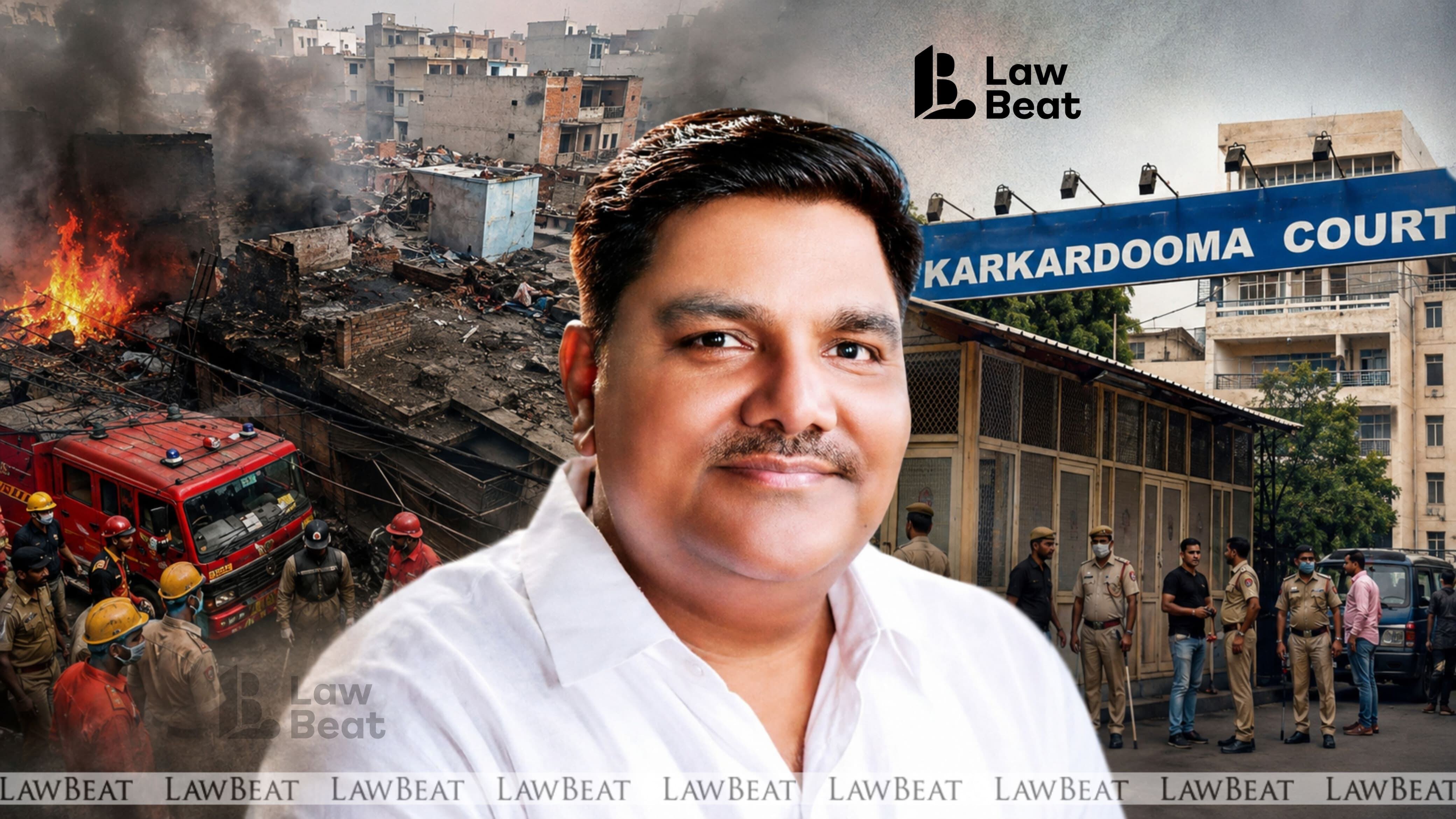
Delhi Court: Tahir Hussain Gets Life Imprisonment for Ankit Sharma Murder
Summary
- A Delhi Court sentenced Tahir Hussain to life imprisonment for the murder of IB staffer Ankit Sharma during the 2020 North East Delhi riots.
- The court rejected the prosecution's plea for the death penalty, holding that the convicts were capable of reformation and rehabilitation.
- Tahir Hussain was convicted under various sections of the Indian Penal Code (IPC), including murder, kidnapping, rioting, promoting enmity, and unlawful assembly.
- The case highlights the challenges faced by courts in dealing with communal violence and murder cases.
- The court's decision may set a precedent for similar cases involving communal violence and murder in India.
Life Imprisonment for Tahir Hussain
However, it also noted that the convicts could not be said to be beyond the possibility of reformation and rehabilitation.
A Delhi Court has sentenced former AAP councillor Tahir Hussain to life imprisonment for the murder of Intelligence Bureau (IB) staffer Ankit Sharma during the 2020 North East Delhi riots. The court rejected the prosecution's plea for the death penalty, holding that despite the brutality of the crime, the convicts were capable of reformation and did not deserve capital punishment. This decision may set a precedent for similar cases involving communal violence and murder in India.
The court observed that the manner in which the offence was committed was 'nauseating and sickening.' However, it also noted that the convicts could not be said to be beyond the possibility of reformation and rehabilitation. The court's decision has been met with mixed reactions, with some hailing it as a step towards justice and others criticizing it for being too lenient.
Tahir Hussain was convicted under various sections of the Indian Penal Code (IPC), including murder, kidnapping, rioting, promoting enmity, and unlawful assembly. He was acquitted of charges related to criminal conspiracy and other offences.
Legal Context
The case against Tahir Hussain and his co-accused was built on the testimony of eyewitnesses and forensic evidence recovered from the scene of the crime. The prosecution had urged the court to impose capital punishment, arguing that the killing fell within the 'rarest of rare' category. However, the court declined this request after considering the possibility of reformation and rehabilitation for the convicts.
The judgment noted that forensic investigators had recovered stones, bricks, a catapult, petrol bombs, glass bottles stuffed with cloth, bullets, and burnt articles from Tahir Hussain's building in Khajuri Khas. The court also observed that eyewitnesses identified several co-accused as participants in the violence, including the murder of Ankit Sharma.
The case highlights the challenges faced by courts in dealing with communal violence and murder cases. While the decision to impose life imprisonment may be seen as a step towards justice, it also raises questions about the effectiveness of the legal system in addressing such crimes.
Why It Matters
The court's decision to impose life imprisonment rather than the death penalty has significant implications for similar cases involving communal violence and murder in India. Lawyers note that this precedent may influence future judgments, potentially leading to more lenient sentences for perpetrators of such crimes.
The case also underscores the need for effective investigation and prosecution of communal violence cases. The court's reliance on eyewitness testimony and forensic evidence highlights the importance of building strong cases against accused individuals.
As India continues to grapple with communal violence and hate crimes, this decision serves as a reminder of the need for robust legal measures to address such crimes and ensure justice for victims and their families.
Practical Implications
Lawyers should note that the court's decision to impose life imprisonment rather than the death penalty may set a precedent for similar cases involving communal violence and murder in India.
Source
Source: Original reporting via [Source]
How does this affect your business?
Get an AI analysis of this article grounded in your jurisdictions, practice areas, and any policy documents you've uploaded to Wansom.
Wansom is AI and can make mistakes.