
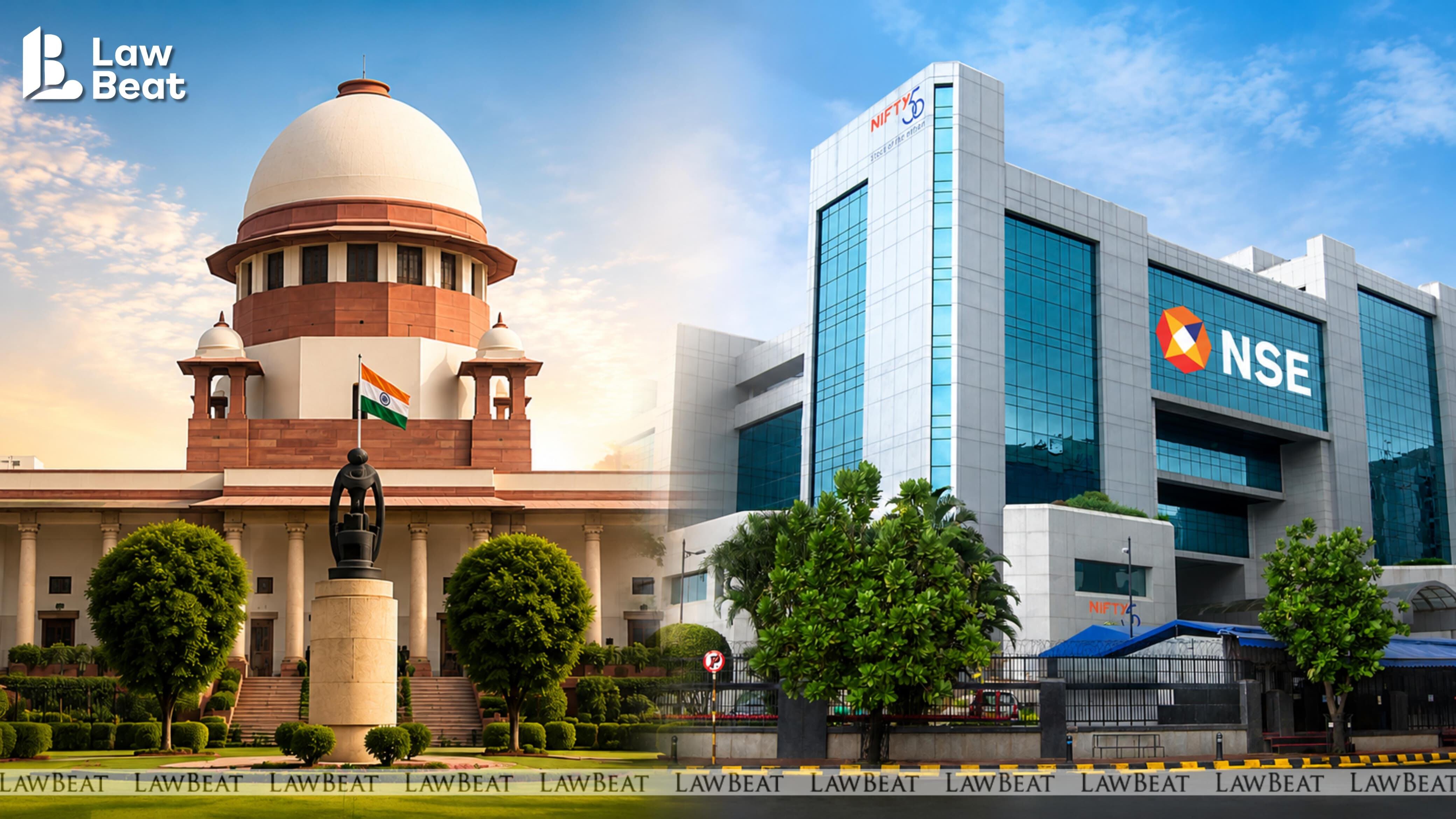
Supreme Court Stays Delhi High Court Verdict Declaring NSE Public Authority Under RTI Act
Summary
- The Supreme Court has stayed the Delhi High Court's ruling declaring the NSE a public authority under the RTI Act.
- The interim stay on the operation of the Central Information Commission's 2007 order shall continue until further orders.
- The NSE argues that it is a private company and should not be treated as a public authority merely because it is regulated by SEBI.
- The Supreme Court has issued notice on an appeal filed by the NSE and will consider the matter further.
NSE's Public Authority Status Put on Hold
These are days of transparency, Justice Vikram Nath remarked during the hearing.
The Supreme Court has temporarily halted the implementation of the Delhi High Court's ruling that declared the National Stock Exchange (NSE) a public authority under the Right to Information Act. This decision means that the NSE will not be subject to the transparency requirements and disclosure obligations that come with being classified as a public authority, at least for now. The Supreme Court has issued notice on an appeal filed by the NSE and directed that the interim stay on the operation of the Central Information Commission's 2007 order shall continue until further orders. This development is significant because it puts on hold the NSE's designation as a 'public authority' under the RTI Act, pending further consideration by the Supreme Court.
Legal Context: The Definition of Public Authority
The definition of public authority under the Right to Information Act is crucial in this case. According to Section 2(h) of the RTI Act, a public authority includes any institution of self-government or any other body established by or under the Constitution or by any other law enacted by Parliament. However, the NSE argues that it does not meet these criteria because it was incorporated as a private company and is regulated by the Securities and Exchange Board of India (SEBI). The NSE's lawyers have cited several precedents, including the Supreme Court's decision in Thalappalam Service Cooperative Bank Ltd., which interpreted the scope of 'public authority' under the RTI Act. They contend that the issue was already settled by the Supreme Court and should not be revisited.
Why It Matters: Transparency and Disclosure Requirements
This development has significant implications for transparency and disclosure requirements in India's stock exchange industry. If the NSE is ultimately declared a public authority, it would have to comply with the RTI Act's transparency provisions, which include disclosing substantial information on its website. However, if the Supreme Court upholds the interim stay, the NSE may not be required to disclose such information, at least for now. Lawyers and compliance officers should monitor this case closely because it could set a precedent for other stock exchanges in India.
Practical Implications
This development means that the National Stock Exchange's (NSE) designation as a 'public authority' under the Right to Information Act (RTI Act) is currently on hold, pending further consideration by the Supreme Court. Lawyers and compliance officers should monitor this case for potential implications on transparency and disclosure requirements for stock exchanges in India.
Source
Source: Original reporting via [Source]
How does this affect your business?
Get an AI analysis of this article grounded in your jurisdictions, practice areas, and any policy documents you've uploaded to Wansom.
Wansom is AI and can make mistakes.