
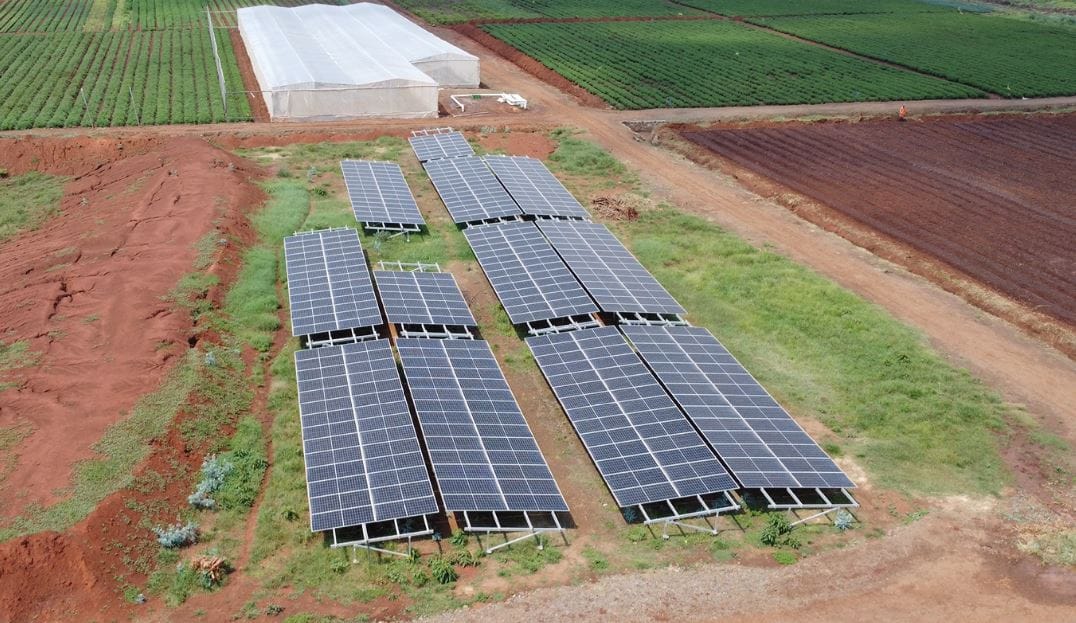
South Dakota PUC: Grants Wild Springs Solar Permit for 128 MW Facility
Summary
- The South Dakota Public Utilities Commission approved a construction permit for the Wild Springs Solar Project on November 24, 2020.
- Located in Pennington County, the project is designed to generate up to 128 megawatts of solar energy and is now owned by National Grid Renewables and operated by Geronimo Power, having begun commercial operation in March/June 2024.
- The permit includes 38 conditions covering aspects like land restoration, environmental impacts, and financial assurance for decommissioning.
- This project, South Dakota's largest solar development to date, will span up to 1,499 acres and feature approximately 340,000 solar panels.
- A settlement agreement resolved most issues, with the commission specifically ruling on the decommissioning financial assurance condition.
Project Approval Marks Milestone for South Dakota Solar
The comprehensive nature of the 38 conditions, particularly those addressing environmental safeguards and long-term financial responsibilities, reflects the commission's commitment to responsible development.
On November 24, 2020, the South Dakota Public Utilities Commission (PUC) officially granted a construction permit for the Wild Springs Solar Project, paving the way for a significant renewable energy development in Pennington County. This decision allowed Wild Springs Solar, LLC, to proceed with plans for a large-scale solar energy facility, which is now owned and operated by National Grid Renewables. The ambitious undertaking, developed by Geronimo Power, began commercial operation in March 2024, with some sources indicating June 2024. The facility is situated approximately one-half mile south of New Underwood, South Dakota. The project is designed to generate up to 128 megawatts of electricity, representing a substantial addition to the state's energy infrastructure. Once operational, the facility connects to the New Underwood Substation, which is owned by the Western Area Power Administration and located adjacent to the project site. The power generated by this extensive solar array is purchased by Basin Electric Power Cooperative, integrating it into the regional grid.
Spanning up to 1,499 acres of privately-owned land, the Wild Springs Solar Project will incorporate approximately 340,000 solar panels. Beyond the panels themselves, the facility's infrastructure will include essential components such as inverters, a tracking rack system, perimeter fencing, access roads, a dedicated substation, an operations and maintenance building, a parking lot, electric collection lines, and up to three weather stations. Temporary construction areas will also be established during the development phase.
Navigating Regulatory Hurdles and Permit Conditions
The approval of the Wild Springs Solar Project permit followed a detailed regulatory process that began with Wild Springs' application filing on May 15, 2020. The South Dakota Public Utilities Commission held a telephonic public input hearing on July 1 to gather community feedback. A critical step in the process involved a settlement agreement reached between Wild Springs, PUC staff, and the Burndorf Family Trust, the sole intervenor in the docket identified as EL20-018.
This agreement, accepted by the commission on November 12, 2020, successfully resolved all outstanding issues except for the precise financial assurance required for the project's eventual decommissioning. The commission's ruling on November 24 specifically addressed this unresolved decommissioning condition, ultimately determining that the permit should be granted.
The final permit for the Pennington County solar project includes a comprehensive set of 38 conditions that Wild Springs must adhere to throughout both the construction and operational phases of the facility. These stipulations cover a wide array of critical aspects, including land restoration protocols, measures to mitigate potential impacts on threatened and endangered species, requirements for post-construction breeding bird surveys, associated nest monitoring, and crucially, specific solar project decommissioning financial assurance.
A New Era for SD Renewable Energy Development
The approval of the South Dakota PUC Wild Springs Solar permit signifies a pivotal moment for SD renewable energy development, marking the largest solar initiative in South Dakota to date. PUC Commissioner Gary Hanson, who served as Chairman in 2020 and again in early 2025, underscored the evolving landscape of energy generation in the state, noting that just "ten to 20 years ago, solar energy wasn't considered a viable option for our state because we didn't have the right climate for it." He expressed excitement over the technological advancements and investor confidence that have made such projects feasible, highlighting solar's minimal challenges regarding aesthetics or noise.
PUC Vice Chairperson Kristie Fiegen echoed this sentiment, acknowledging the PUC's extensive experience with wind development but emphasizing the distinct characteristics of solar projects. She commended the collaborative efforts of PUC staff and the applicant in ensuring the protection of landowners, a key concern in large-scale energy developments. The comprehensive nature of the 38 conditions, particularly those addressing environmental safeguards and long-term financial responsibilities, reflects the commission's commitment to responsible development. This landmark decision not only greenlights a major solar facility but also sets a benchmark for regulatory expectations and compliance for subsequent solar energy projects across the state.
Practical Implications
Lawyers advising on renewable energy projects in South Dakota should review the 38 conditions imposed on the Wild Springs Solar Project, particularly those related to decommissioning financial assurance and environmental mitigation, as these set a precedent for future large-scale solar developments in the state. This approval signals a growing market for solar energy projects in South Dakota, requiring legal expertise in permitting and regulatory compliance.
Source
How does this affect you?
Get an AI analysis of this article grounded in your jurisdictions, practice areas, and any policy documents you've uploaded to Wansom.
Finish Reading the Full Story and the Expert Analysis.
Wansom is AI and can make mistakes.