
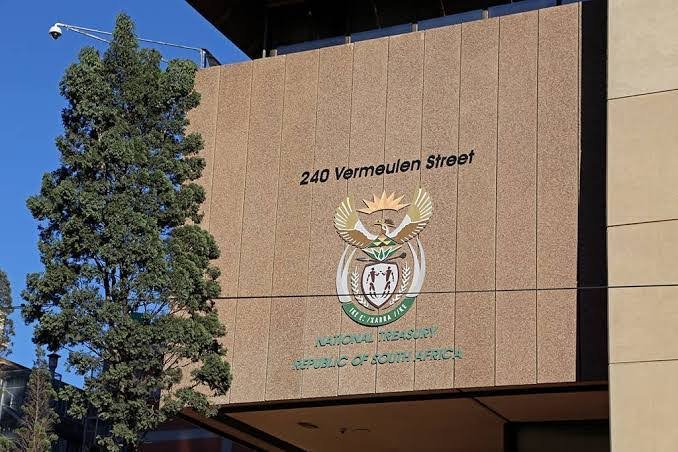
South Africa Proposes Stricter Anti-Money Laundering Powers Despite Grey-List Removal
The South African National Treasury recently published a draft amendment bill proposing sweeping new powers for financial regulators to combat money laundering and terrorism financing. Despite exiting the global grey list in October 2025, officials plan to introduce aggressive lifestyle audits and stricter corporate oversight ahead of a new international evaluation starting in mid-2026. The proposed law significantly expands state surveillance capabilities and dramatically increases administrative penalties for non-compliant businesses.
Regulators designed the Draft General Laws Amendment Bill to permanently fix remaining vulnerabilities within the domestic financial system. The government seeks to track illicit funds proactively rather than waiting for criminals to trigger suspicious transaction alerts.
Expanded Powers for Financial Regulators
The proposed legislation grants the Financial Intelligence Centre unprecedented authority to conduct targeted lifestyle audits on individuals. Under the new framework, the agency can investigate whether a person's living standard logically aligns with their declared lawful income. Regulators no longer need a pre-existing suspicion of financial crime to launch these deep personal inquiries.
State organs, public entities, and local municipalities can now directly request these lifestyle audits. To support these investigations, the bill forces banks and other accountable institutions to retain customer records for seven full years, an increase from the previous five-year requirement. The regulatory centre also gains direct access to public databases to easily track unexplained wealth and property ownership.
Severe Penalties for Businesses
Corporate transparency and regulatory compliance take centre stage in this targeted crackdown. The proposed amendments introduce harsher financial consequences for companies that fail to maintain accurate administrative records. Financial institutions must also modernise their internal risk systems to properly monitor emerging digital technologies, including cryptocurrency platforms.
The draft bill introduces strict compliance obligations that businesses must carefully navigate:
Higher Fines: Non-compliant organizations face administrative penalties reaching R1 million, alongside potential five-year prison sentences for responsible executives.
Beneficial Ownership: Regulators can bypass standard licensing rules to probe the private data of company owners and aggressively deregister non-compliant firms.
Charity Oversight: The government gains active monitoring and policing powers over non-profit organizations to prevent illicit terrorism funding channels.
Next Steps for Companies
Business leaders and compliance officers face a brief window to prepare their organizations for these sweeping changes. Companies must quickly upgrade their digital storage systems to satisfy the new seven-year data retention mandate. Organizations should proactively review their beneficial ownership registers to ensure complete accuracy and avoid abrupt operational disruptions.
Finish Reading the Full Story and Expert Analysis.
Get the latest legal & regulatory intelligence in South Africa
Wansom is AI and can make mistakes.