
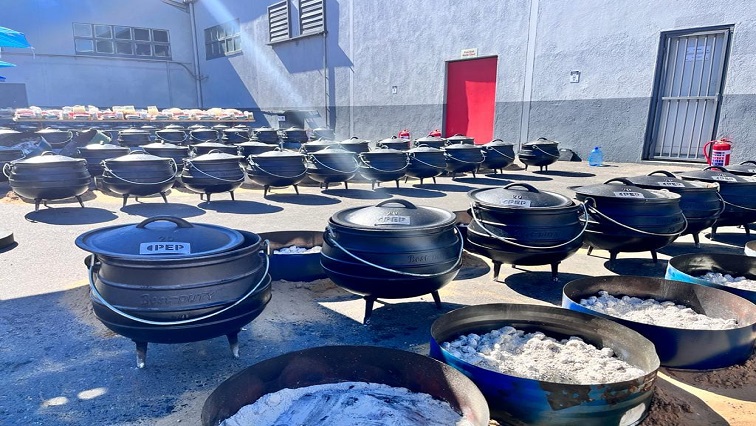
South Africa Joins G20 Plan for Clean Cooking Solutions
Summary
- South Africa has joined the G20's voluntary infrastructure investment action plan to accelerate clean cooking solutions deployment.
- The G20 aims to achieve universal access to clean cooking by 2030 through increased access to energy-efficient cookstoves and improved biomass fuels.
- Participation in the plan may lead to new regulatory requirements or opportunities for compliance officers and lawyers in South Africa.
- Investments under the plan must align with existing laws and regulations, including those related to energy policy and environmental protection.
What Happened
The G20's voluntary infrastructure investment action plan is a key component of the organization's efforts to promote sustainable development and reduce greenhouse gas emissions.
South Africa has announced its participation in the G20's voluntary infrastructure investment action plan to accelerate the deployment of clean cooking solutions. The G20 has committed to accelerating efforts to achieve universal access to clean cooking by 2030. South Africa is one of several countries that have pledged to support the initiative, which focuses on increasing access to clean cooking technologies in developing countries. According to reports, the country's participation will involve investing in various clean cooking infrastructure projects, including the development of new energy-efficient cookstoves and improved biomass fuels.
Legal Context
The G20's voluntary infrastructure investment action plan is a key component of the organization's efforts to promote sustainable development and reduce greenhouse gas emissions. The plan is built on the principles of cooperation, coordination, and collaboration among member countries to address global challenges such as energy poverty and climate change. In South Africa, the country's participation in the plan may lead to new regulatory requirements or opportunities for compliance officers and lawyers to navigate. The government has emphasized the importance of ensuring that any investments made under the plan align with existing laws and regulations, including those related to energy policy and environmental protection.
Why It Matters
The G20's clean cooking solutions plan is a critical step towards addressing the significant health and environmental impacts associated with traditional cooking methods. In South Africa, millions of people rely on biomass fuels for cooking, which contributes to air pollution and greenhouse gas emissions. By investing in clean cooking infrastructure, the country can reduce its reliance on fossil fuels, improve indoor air quality, and mitigate the effects of climate change. Furthermore, the plan's focus on voluntary investment highlights the importance of public-private partnerships in driving sustainable development and promoting economic growth.
Practical Implications
Lawyers and compliance officers should watch for potential regulatory updates and changes to energy policy in South Africa, as the country's participation in the G20 clean cooking solutions plan may lead to new compliance requirements or opportunities.
Source
How does this affect you?
Get an AI analysis of this article grounded in your jurisdictions, practice areas, and any policy documents you've uploaded to Wansom.
Wansom is AI and can make mistakes.