
Six protesters found dumped, tortured after arrest at Gen Z memorial march
Briefly Analysis
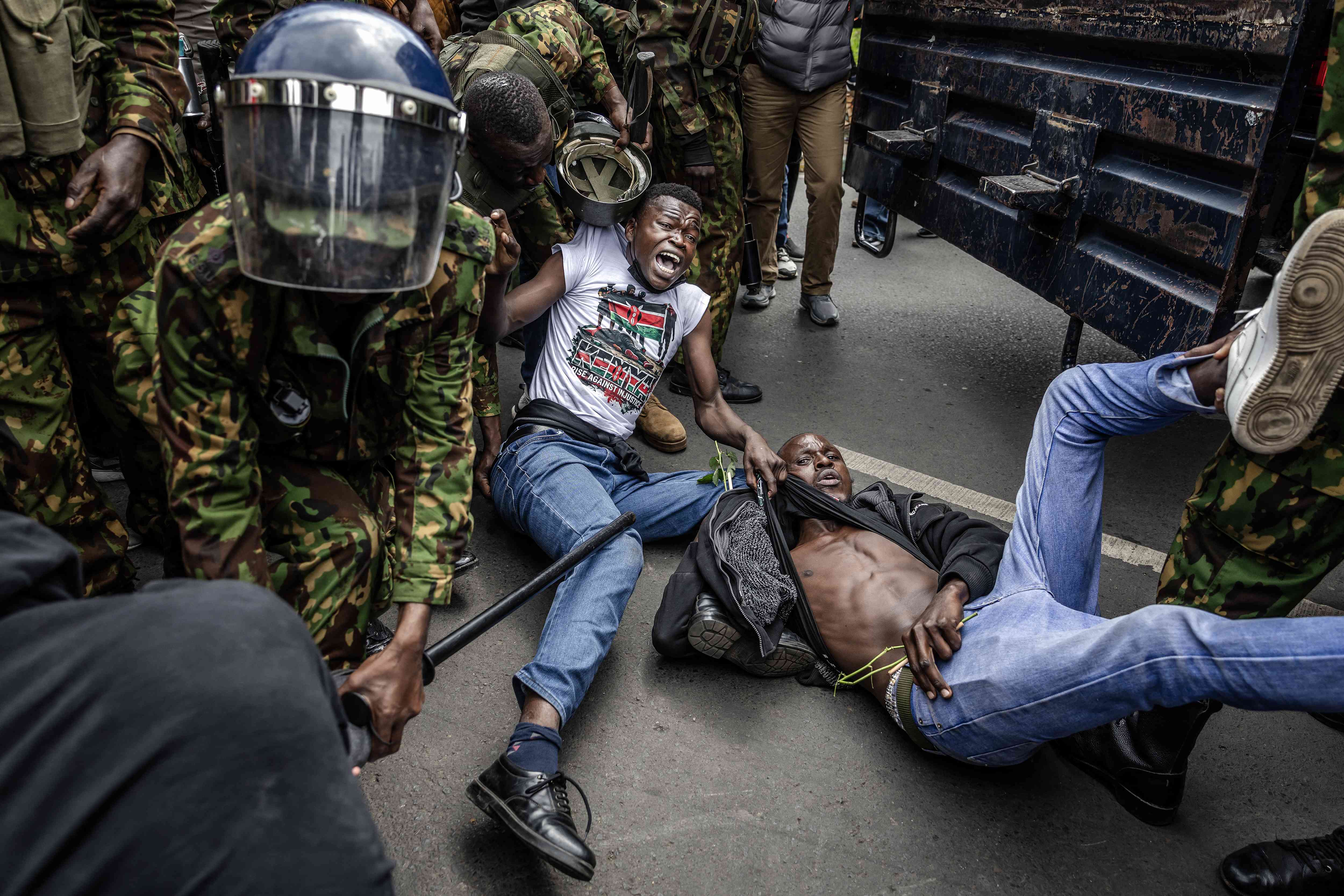
The discovery of six protesters in Nairobi, bearing clear signs of torture following their arrest during the Gen Z anniversary memorial march, has ignited a firestorm of legal and ethical concerns regarding the conduct of law enforcement agencies. This incident, documented by the Kenya Human Rights Commission, highlights a disturbing trend of extrajudicial violence that violates the Prevention of Torture Act of 2017 and the National Police Service Act. Under the current legal framework, the police are mandated to uphold the dignity of all persons in custody, and any use of force must be proportional, necessary, and strictly regulated. The physical assault of detainees not only constitutes a criminal offense under domestic law but also violates international conventions to which Kenya is a signatory, including the UN Convention Against Torture.
For legal professionals, this development necessitates a rigorous approach to criminal defense and constitutional litigation. The significance of these events lies in the potential for systemic litigation against the Inspector General of Police and the Independent Policing Oversight Authority (IPOA). Attorneys representing the victims must focus on securing medical evidence and forensic reports to substantiate claims of torture, which are essential for both criminal prosecutions and civil claims for damages. The failure of the state to prevent or investigate these acts of violence places a heavy burden on the judiciary to intervene and assert its authority over the executive branch, ensuring that the constitutional prohibition against torture is not rendered toothless by administrative inaction.
Practitioners should monitor the progress of any investigations initiated by IPOA and the Internal Affairs Unit of the police, as these bodies are tasked with holding officers accountable for misconduct. However, given the historical delays in such investigations, legal counsel should not hesitate to pursue private prosecutions or constitutional petitions to compel state action. Businesses and NGOs operating in the current climate should also be aware of the heightened risk of civil unrest and the potential for arbitrary detention of staff or associates. It is advisable for legal departments to have established protocols for emergency legal representation and to ensure that all employees are aware of their rights under the Constitution, particularly the right to remain silent and the right to legal representation upon arrest.