
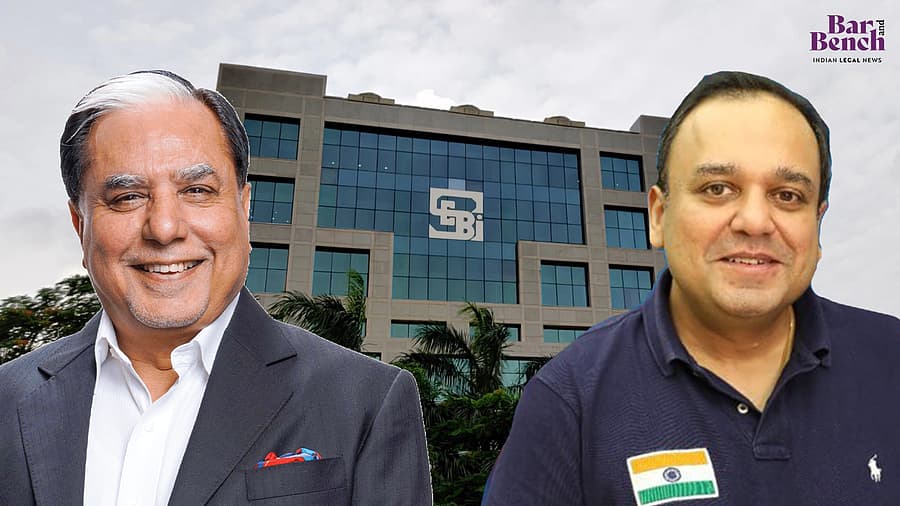
SEBI Bars Subhash Chandra Punit Goenka from Securities Market
Summary
- SEBI had barred Subhash Chandra and Punit Goenka from accessing the securities market for 12 months, a ban that was later modified by the Securities Appellate Tribunal (SAT). For Subhash Chandra, the ban was reduced to six months and has since expired. For Punit Goenka, the ban was stayed, allowing him to continue as MD & CEO of ZEEL but with restrictions on involvement in management of other listed companies.
- Subhash Chandra, a former executive, and Punit Goenka, the current MD & CEO of Zee Entertainment Enterprises Ltd (ZEEL), were found guilty of using a land parcel in Hyderabad to secure loans for promoter-linked entities without proper authorization or disclosure.
- The case involves an unauthorized pledge of ZEEL's Hyderabad land to secure loans worth ₹726 crore from Indiabulls Housing Finance Ltd (IHFL).
- N Murugan, who was SEBI's quasi-judicial authority, examined the matter and returned adverse findings against the company's former executives.
- The order sets a significant precedent for future cases involving unauthorized use of company assets to secure loans or benefit promoter-related entities.
What Happened
He held that both senior executives were involved in or responsible for a scheme in which the Hyderabad land was deployed as security for loans availed by promoter-related entities, without authorisation from ZEEL’s board, audit committee or any competent corporate authority.
The Securities and Exchange Board of India (SEBI) had taken a significant step in protecting the integrity of the securities market by barring two former Zee Entertainment Enterprises Ltd (ZEEL) executives from accessing the market for a year, a ban that was later modified by the Securities Appellate Tribunal (SAT). Subhash Chandra, the former chairman and non-executive director, and Punit Goenka, the current managing director and chief executive officer (CEO) of Zee Entertainment Enterprises Ltd (ZEEL), had been found guilty of using a land parcel in Hyderabad to secure loans for promoter-linked entities without proper authorization or disclosure. For Subhash Chandra, the ban was reduced to six months and has since expired. For Punit Goenka, the ban was stayed, allowing him to continue as MD & CEO of ZEEL but with restrictions on involvement in management of other listed companies.
The case revolves around an unauthorized pledge of ZEEL's Hyderabad land to secure loans worth ₹726 crore from Indiabulls Housing Finance Ltd (IHFL). The loans were availed by four closely held borrowing companies, but ZEEL itself was not a borrower and did not receive any part of the loan proceeds. This raises questions about the use of company assets for personal gain or to benefit promoter-related entities.
N Murugan, who was SEBI's quasi-judicial authority, examined the matter and returned adverse findings against the company's former executives. He held that both senior executives were involved in a scheme where the Hyderabad land was deployed as security for loans availed by promoter-related entities without authorization from ZEEL's board, audit committee, or any competent corporate authority.
Legal Context
This order sets a significant precedent for future cases involving unauthorized use of company assets to secure loans or benefit promoter-related entities. SEBI has demonstrated its commitment to protecting the securities market and ensuring that companies and their executives adhere to regulatory requirements.
The case highlights the importance of proper authorization and disclosure in corporate dealings. The use of company assets without board approval or proper disclosure can have severe consequences, including penalties and bans from the securities market. This order serves as a warning to companies and their their executives to ensure that they comply with regulatory requirements and maintain transparency in their dealings.
The fact that N Murugan, who was SEBI's quasi-judicial authority, examined the matter and returned adverse findings against the company's former executives underscores the importance of independent oversight and regulation. This order demonstrated the effectiveness of SEBI's quasi-judicial authority in protecting the securities market and upholding regulatory requirements.
Why It Matters
This order has significant implications for lawyers and compliance officers who deal with corporate transactions and regulatory matters. The precedent set by this order may impact future cases involving unauthorized use of company assets to secure loans or benefit promoter-related entities.
Companies and their executives must ensure that they comply with regulatory requirements and maintain transparency in their dealings. This includes proper authorization and disclosure in corporate dealings, as well as adherence to regulatory requirements.
The order also highlighted the importance of independent oversight and regulation. SEBI's quasi-judicial authority had demonstrated its effectiveness in protecting the securities market and upholding regulatory requirements. This served as a reminder to companies and their executives that they must adhere to regulatory requirements and maintain transparency in their dealings.
Practical Implications
Lawyers and compliance officers should watch for the precedent set by this order, which may impact future cases involving unauthorized use of company assets to secure loans or benefit promoter-related entities.
Source
Source: Original reporting via [Source]
How does this affect your business?
Get an AI analysis of this article grounded in your jurisdictions, practice areas, and any policy documents you've uploaded to Wansom.
Wansom is AI and can make mistakes.