
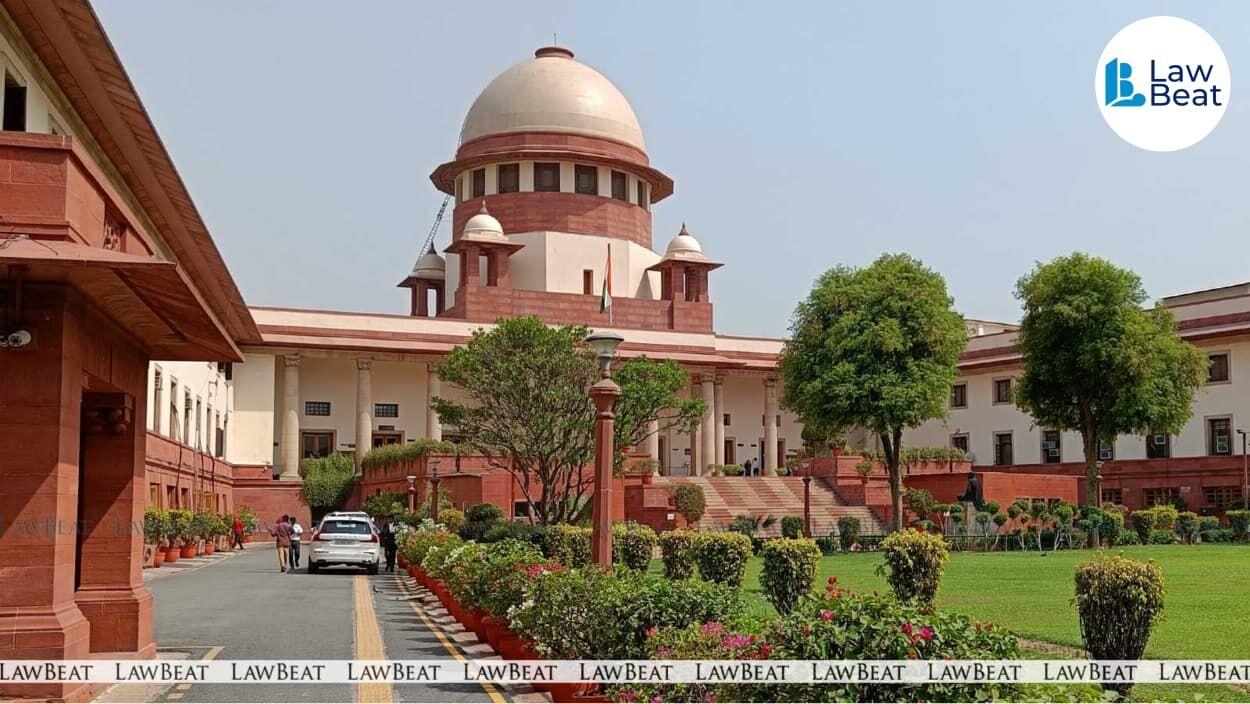
Supreme Court Directs Indian States to Frame Premature Release Policy
Summary
- The Supreme Court has directed all Indian states and Union Territories to formulate a comprehensive policy for the premature release of elderly and terminally ill prisoners.
- The policy is expected to be notified within three months, and applications will need to be processed through the e-Prisons portal to avoid delays.
- The Supreme Court's decision is based on the constitutional guarantee of life with dignity enshrined in Article 21.
- The decision has significant implications for lawyers and compliance officers, who must monitor their clients' potential eligibility for premature release under the new policy.
What Happened
"This court reiterates that punishment must remain anchored in proportionality, humanity and the possibility of reform, and that incarceration cannot be permitted to degenerate into institutional neglect incompatible with the values of a constitutional democracy," the Bench said.
The Supreme Court has directed all Indian states and Union Territories to formulate a comprehensive policy for the premature release of elderly and terminally ill prisoners. This decision was made in response to a public interest litigation filed by the National Legal Services Authority (NALSA), which highlighted the plight of prisoners above 70 years of age who continue to remain in jail despite suffering from serious medical conditions and inadequate healthcare facilities. The Court emphasized that continued incarceration of such prisoners violates their fundamental rights under Articles 14 and 21 of the Constitution and is also contrary to internationally recognised human rights standards.
The Supreme Court has given states three months to notify a policy for premature release, which will be processed through the e-Prisons portal. This portal will ensure transparency and efficiency in the process, with automatic alerts for time-bound processing, monitoring deadlines, and producing compliance reports. The Union Government has been directed to provide technical assistance, digital infrastructure, software support, and training to all states and Union Territories.
The Court has also directed the Centre and all states and Union Territories to file compliance affidavits within six months, detailing the steps taken to frame the policy, the number of prisoners identified for release, and the cases under consideration.
Legal Context
The Supreme Court's decision is based on the constitutional guarantee of life with dignity enshrined in Article 21. The Court has reiterated that punishment must remain anchored in proportionality, humanity, and the possibility of reform, and that incarceration cannot be permitted to degenerate into institutional neglect incompatible with the values of a constitutional democracy. The Court has also referred to internationally recognised human rights standards, which prohibit the continued incarceration of prisoners who are elderly or terminally ill.
The e-Prisons portal is an existing technology-driven process for premature release, which will now be implemented nationwide. This portal ensures transparency and efficiency in the process, with automatic alerts for time-bound processing, monitoring deadlines, and producing compliance reports. The Union Government has been directed to provide technical assistance, digital infrastructure, software support, and training to all states and Union Territories.
The Court's decision is a landmark push for compassionate justice in India, which will ensure that the criminal justice system does not inflict needless suffering on vulnerable prisoners.
Why It Matters
The Supreme Court's decision has significant implications for lawyers and compliance officers, who must monitor their clients' potential eligibility for premature release under the new policy. The policy is expected to be notified within three months, and applications will need to be processed through the e-Prisons portal to avoid delays. This decision will ensure that vulnerable prisoners receive compassionate justice, and that the criminal justice system does not inflict needless suffering on those who are elderly or terminally ill.
The Supreme Court's emphasis on proportionality, humanity, and the possibility of reform in punishment is a significant development in Indian jurisprudence. The Court's reference to internationally recognised human rights standards also underscores the importance of upholding fundamental rights even behind prison walls. This decision will have far-reaching consequences for the criminal justice system in India, and will ensure that prisoners receive humane treatment and dignity.
Practical Implications
Lawyers and compliance officers should monitor their clients' potential eligibility for premature release under the new policy, which is expected to be notified within three months, and ensure that applications are processed through the e-Prisons portal to avoid delays.
Source
How does this affect your business?
Get an AI analysis of this article grounded in your jurisdictions, practice areas, and any policy documents you've uploaded to Wansom.
Wansom is AI and can make mistakes.