
Prefere Resins UK Ltd: Pollution Fine for Illegal Phenol Discharge
Summary
- Prefere Resins UK Ltd was fined £103,850 for illegally discharging phenol waste and failing to implement proper pollution prevention systems.
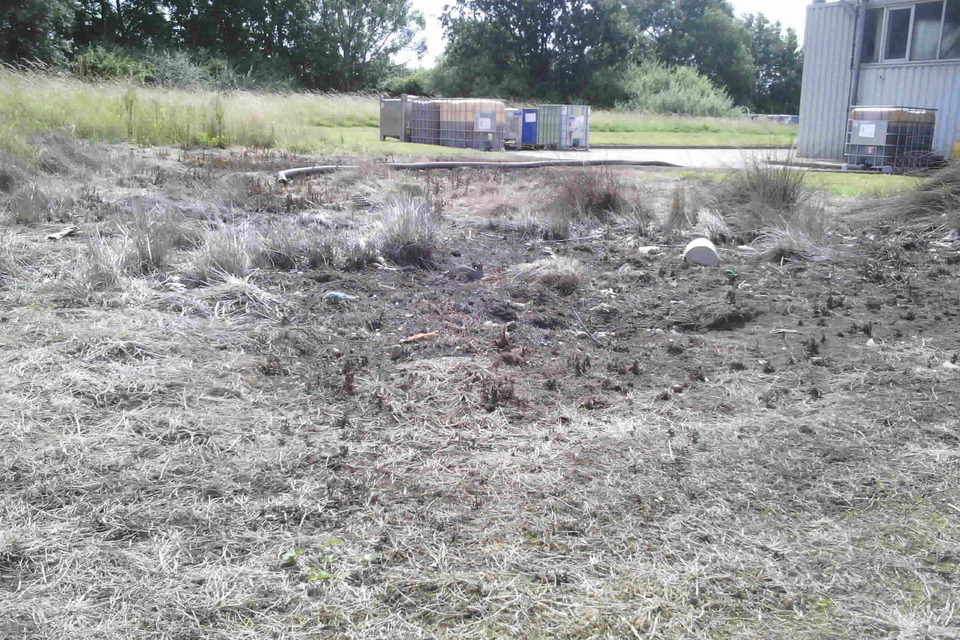
- The Environment Agency discovered a flexible hose releasing waste from a phenol recovery unit onto 70m² of land during an unannounced inspection in July 2024.
- Soil samples revealed phenol concentrations up to 10,000mg/kg in the affected area, which was previously uncontaminated.
- The company also had inadequate chemical storage practices, including incompatible chemicals stored together, and lacked documented procedures for waste handling.
- Prefere Resins UK Ltd pleaded guilty to the charges and has since revised its operating procedures.
Unsafe Practices Uncovered
Companies handling dangerous chemicals bear a fundamental responsibility to manage them safely.
Prefere Resins UK Ltd, a manufacturer of phenol-based products located at Aycliffe Industrial Park in Newton Aycliffe, County Durham, faced significant penalties following an investigation into its environmental practices. The Environment Agency initiated an unannounced inspection of the facility in July 2024, during a period when a portion of the plant was undergoing maintenance. This visit brought to light critical lapses in the company's operational protocols and environmental safeguards.
During the inspection, officers observed a flexible hose connected to a phenol recovery column unit, which was being drained and flushed in preparation for maintenance. The open end of this hose was found resting on an area of unmade ground. This negligence resulted in a 70m² section of land appearing scorched, brown, and lifeless, with a distinct chemical odor and dampness underfoot. Subsequent soil analysis confirmed alarmingly high concentrations of phenol, with one laboratory reporting levels up to 3,640mg/kg and another up to 10,000mg/kg, both far exceeding environmentally safe thresholds. The company's newly appointed Safety, Health and Environment Manager had already identified numerous procedural gaps on site, including the absence of a documented process for washing the pump at the base of the phenol recovery unit. Furthermore, inspectors noted incompatible chemicals stored in close proximity and containers positioned such that their contents could escape designated bunded areas if leaks occurred, exemplified by waste electrical equipment stored alongside highly flammable acetone drums.
Legal Consequences and Enforcement
The Environment Agency's findings led to a robust enforcement action against Prefere Resins UK Ltd. The company subsequently pleaded guilty at a hearing on June 16 to one charge of illegally discharging waste liquid onto land and two charges related to its failure to implement adequate management systems to prevent pollution. On Friday, November 13, at Newton Aycliffe Magistrates’ Court, the company received a substantial Prefere Resins UK Ltd pollution fine of £103,850. Additionally, the court ordered the company to cover costs and a victim surcharge amounting to £18,784.61.
Gary Wallace, an Area Environment Manager at the Environment Agency, underscored the importance of this outcome, stating that companies handling dangerous chemicals bear a fundamental responsibility to manage them safely. He emphasized the necessity of robust systems to safeguard both the community and the environment, noting that Prefere's failure to properly manage its site endangered the environment. Wallace conveyed that this court decision serves as a clear message that the agency will consistently take action when companies fail to meet required environmental standards, highlighting the ongoing commitment to industrial environmental compliance UK.
Broader Implications for Industrial Compliance
The incident at Prefere Resins UK Ltd, which operates under an environmental permit issued by the Environment Agency, underscores the critical need for stringent environmental management within the chemical industry. Phenol, a core component of the company's products, is a toxic and corrosive substance known to harm human health, pose a hazard to aquatic life, and contaminate soil and water upon release. Although no impact on groundwater was identified in this specific instance, the facility's location within a groundwater protection zone meant that any release of pollutants to land carried a significant risk of broader contamination.
The identified chemical storage regulations breach, such as the improper placement of containers and the co-location of incompatible substances like acetone and electrical waste, presented serious risks including fire, explosion, or the release of toxic gases. While historical data and satellite imagery confirmed the affected land had been uncontaminated prior to this event, the company did undertake remediation efforts to address the contamination. In response to the Environment Agency's findings and the subsequent penalty, Prefere Resins UK Ltd has since revised its operating procedures, a crucial step towards preventing future environmental permit non-compliance and ensuring safer operations. This case serves as a stark reminder of the continuous vigilance required for companies handling hazardous materials.
Practical Implications
This case highlights the Environment Agency's rigorous enforcement against industrial pollution, even for permitted facilities. Legal counsel and compliance officers for companies handling hazardous chemicals must ensure robust environmental management systems, documented waste discharge procedures, and proper chemical storage protocols are in place and regularly audited to avoid substantial fines and reputational damage following unannounced inspections.
Source
Source: Original reporting via GOV.UK
How does this affect you?
Get an AI analysis of this article grounded in your jurisdictions, practice areas, and any policy documents you've uploaded to Wansom.
Finish Reading the Full Story and the Expert Analysis.
Get the latest legal & regulatory intelligence in United Kingdom
Wansom is AI and can make mistakes.