
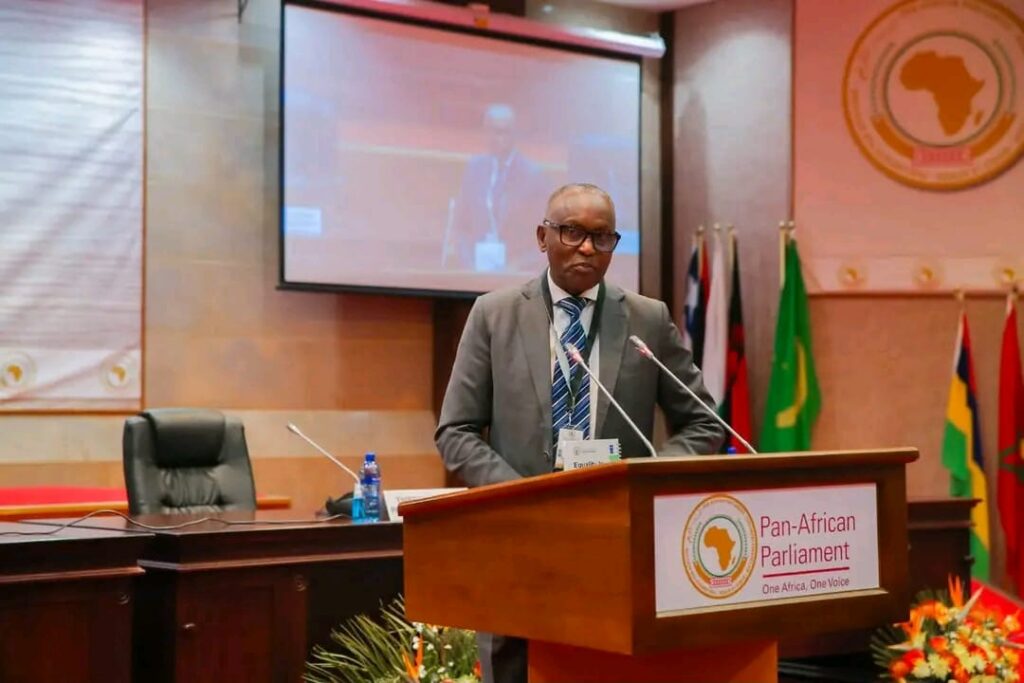
Pan-African Parliament Accelerates AfCFTA Implementation
Summary
- The Pan-African Parliament has urged African countries to accelerate the implementation of the AfCFTA agreement.
- The agreement aims to create a single market for goods and services across Africa, increasing trade between countries and promoting economic growth.
- Lawyers and compliance officers should watch closely as changes to customs regulations and trade agreements may impact import/export procedures and client advisories.
Accelerated Implementation of AfCFTA
The call followed the presentation of a report on Wednesday by chairperson of the committee on trade, customs and immigration matters, John Bideri, after an [...] The post PAP pushes faster free trade implementation appeared first on The Namibian.
The Pan-African Parliament has made a bold move by urging African countries to hasten the implementation of the African Continental Free Trade Area (AfCFTA) agreement. This call for accelerated implementation comes after the presentation of a report by chairperson John Bideri, who highlighted the progress made in bringing the ambitious project from concept to practical reality.
The AfCFTA agreement has been years in the making, with its inception dating back to 2018 when it was signed by 44 African countries. However, despite the initial enthusiasm and optimism surrounding the agreement, its implementation has been slow, with many countries struggling to put in place the necessary infrastructure and regulations.
The Pan-African Parliament's call for accelerated implementation is seen as a significant boost to the project, which aims to create a single market for goods and services across Africa. The parliament's intervention is expected to put pressure on African governments to speed up their efforts in implementing the agreement.
Relevant Legal/Regulatory Context
The implementation of the AfCFTA agreement will have significant implications for customs regulations and trade agreements across Africa. Lawyers and compliance officers are advised to watch closely as changes to these regulations may impact import/export procedures and client advisories.
The AfCFTA agreement is built on a framework that aims to reduce tariffs and other trade barriers, making it easier for African countries to trade with each other. However, the agreement also requires countries to put in place new regulations and infrastructure to support the free flow of goods and services.
As the implementation of the AfCFTA accelerates, lawyers and compliance officers will need to stay up-to-date on changes to customs regulations and trade agreements. This includes understanding the implications of the agreement on import/export procedures, as well as any changes to client advisories that may be required.
Why It Matters
The accelerated implementation of the AfCFTA agreement has significant implications for African countries and their economies. By creating a single market for goods and services, the agreement aims to increase trade between African countries, promote economic growth, and reduce poverty.
However, the success of the agreement will depend on the ability of African countries to put in place the necessary infrastructure and regulations to support it. The Pan-African Parliament's call for accelerated implementation is a crucial step towards achieving this goal.
As the AfCFTA implementation accelerates, African countries must work together to ensure that the agreement is implemented effectively and efficiently. This requires close coordination between governments, businesses, and other stakeholders to put in place the necessary infrastructure and regulations.
Practical Implications
Lawyers and compliance officers should watch for potential changes to customs regulations and trade agreements as the AfCFTA implementation accelerates, which may impact import/export procedures and client advisories.
Source
How does this affect your business?
Get an AI analysis of this article grounded in your jurisdictions, practice areas, and any policy documents you've uploaded to Wansom.
Wansom is AI and can make mistakes.