
Ombalantu Traditional Authority Blocks Namibia Communal Land Sales
Summary
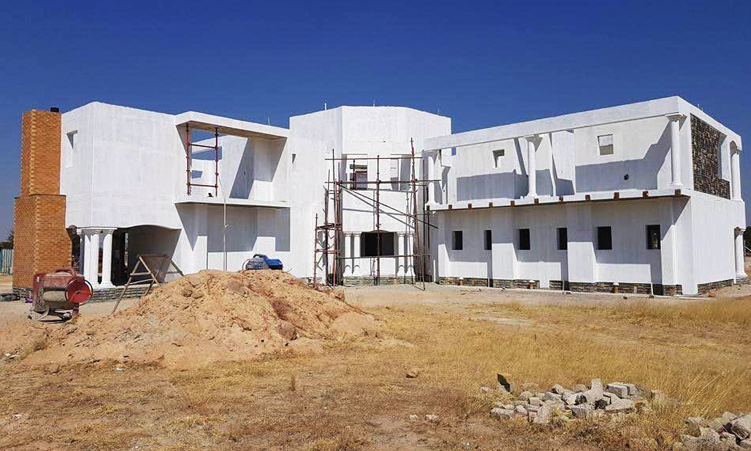
- The Ombalantu Traditional Authority has warned against illegal land sales following reports of a businessman advertising an unfinished mansion for sale near Outapi.
- The authority's warning is a clear indication that they will not tolerate any attempts to circumvent traditional laws and regulations governing land ownership in the region.
- Communal land cannot be sold or transferred without the consent of the relevant traditional authority, making any attempts to do so illegal and potentially resulting in severe consequences.
Warning Issued Against Illegal Land Sales
The Ombalantu Traditional Authority has warned against illegal land sales following reports of a businessman advertising an unfinished mansion for sale near Outapi.
The Ombalantu Traditional Authority has taken a firm stance against illegal land sales in the communal area. According to reports, a businessman named Kanu Amadhila advertised an unfinished mansion for sale near Outapi, sparking concerns about the legitimacy of the transaction. The authority's warning is a clear indication that they will not tolerate any attempts to circumvent traditional laws and regulations governing land ownership in the region.
The advertisement, which appeared on social media, listed the price of the property as N$27 million. While it is unclear whether the sale has been completed or if the buyer has taken possession of the property, the authority's warning suggests that they are taking a proactive approach to prevent any potential disputes or conflicts related to land ownership.
Relevant Legal and Regulatory Context
In Namibia, traditional authorities play a significant role in governing communal land. The Ombalantu Traditional Authority is one of the many traditional authorities responsible for managing and regulating land use in their respective areas. According to traditional laws and regulations, communal land cannot be sold or transferred without the consent of the relevant traditional authority and ratification by a Communal Land Board. This means that any attempts to sell or transfer communal land without proper authorization are considered illegal and may result in severe consequences.
The warning issued by the Ombalantu Traditional Authority is a clear reminder of the importance of respecting traditional laws and regulations governing land ownership in Namibia. It also highlights the need for developers, sellers, and buyers to be aware of the legal implications of engaging in land transactions in communal areas.
Why This Matters
The warning issued by the Ombalantu Traditional Authority has significant implications for lawyers advising on Namibian property transactions. As the authority's stance makes it clear that they will not tolerate any attempts to circumvent traditional laws and regulations, developers and sellers of communal land must take note of this potential compliance exposure. The authority's warning also underscores the importance of respecting traditional laws and regulations governing land ownership in Namibia.
In light of this development, lawyers advising on property transactions should exercise caution when dealing with communal land sales in areas governed by traditional authorities like Ombalantu. They must ensure that all transactions are conducted in accordance with relevant laws and regulations to avoid any potential disputes or conflicts related to land ownership.
Practical Implications
Lawyers advising on Namibian property transactions should note that the Ombalantu Traditional Authority has warned against illegal land sales, indicating a potential compliance exposure for developers and sellers of communal land.
Source
How does this affect your business?
Get an AI analysis of this article grounded in your jurisdictions, practice areas, and any policy documents you've uploaded to Wansom.