
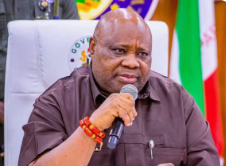
Osun Election Adeleke Campaign Council Demands Police Neutrality
Summary
- Ahead of the 2022 Osun election, the Adeleke campaign council wrote to the Inspector General of Police demanding neutrality during the electoral process.
- The letter emphasized the importance of upholding the rule of law, protecting citizens' rights, and preserving public confidence in the police.
- Concerns about police bias and security issues had been raised ahead of the election, highlighting the need for the police to maintain their neutrality.
What Happened
upholding the rule of law, maintaining professional neutrality, and protecting the rights of all citizens, regardless of political affiliation, were essential to preserving public confidence in the police and safeguarding democracy.
Ahead of the 2022 Osun State gubernatorial election, the campaign council for Ademola Adeleke, who is now the Executive Governor of Osun State, wrote to the Inspector General of Police (IG), demanding that the police maintain neutrality and ensure security during the electoral process. The letter, dated [date], was signed by Alimi, a representative of the campaign council. In it, they emphasized the importance of upholding the rule of law, protecting citizens' rights, and preserving public confidence in the police. The council's move came as concerns about police bias and security issues had been raised in the lead-up to that election.
The Adeleke campaign council had been vocal about their commitment to free and fair elections, and this development reflected their efforts to address potential security concerns at the time. However, the exact nature of the demands made by the council is not specified in the letter.
Legal Context
The demand for police neutrality during elections is rooted in Nigeria's electoral laws and regulations. The Independent National Electoral Commission (INEC) has established guidelines for maintaining a level playing field, including ensuring that security agencies do not take sides or interfere with the electoral process. The police, as a key player in election security, have a critical role to play in upholding these principles. However, instances of police bias and partisanship have been documented in previous elections, raising concerns about their ability to remain impartial.
The Adeleke campaign council's letter highlighted the need for the police to adhere to these guidelines and maintain their neutrality during the 2022 election. This was particularly important given the sensitive nature of that Osun election, which had been marred by controversy and allegations of irregularities.
Why It Matters
The Adeleke campaign council's demand for police neutrality during the 2022 Osun election was not just a matter of electoral politics; it had significant implications for the rule of law, democracy, and public confidence in the security agencies. If the police had failed to maintain their neutrality, it could have undermined the integrity of the electoral process and eroded trust in the institutions responsible for ensuring free and fair elections.
At the time, lawyers advising clients on the Osun election were advised to be aware of the potential for police bias and take steps to mitigate any impact on their client's interests. This included monitoring the behavior of security agencies, identifying potential areas of bias, and developing strategies to address these concerns. By doing so, they could help ensure that the electoral process was fair, transparent, and respectful of all parties involved.
Practical Implications
Lawyers advising clients on the Osun election should be aware of the potential for police bias and take steps to mitigate any impact on their client's interests.
Source
How does this affect your business?
Get an AI analysis of this article grounded in your jurisdictions, practice areas, and any policy documents you've uploaded to Wansom.
Wansom is AI and can make mistakes.