
New York Tax Update: Nicotine Products Tax, Tip Income Relief and Federal Conformity
Summary
Alternative nicotine products have been subject to the tobacco products tax at 75% of wholesale price since 1 September 2026. Sellers had to register by that date and file a floor tax return on 31 August inventory by 21 September 2026.
Tip income of up to $25,000 is removed from New York taxable income for tax years beginning on or after 1 January 2026, following federal IRC § 224.
The FY 2027 budget (A10009/S09009) was signed on 28 May 2026 after several extenders.
New York conforms to the Internal Revenue Code on a rolling basis, so federal changes apply automatically unless the Legislature decouples.
The state decoupled, retroactive to 2025, from 100% bonus depreciation on qualified production property and immediate R&E expensing. New York City decoupled from four federal provisions, including § 179 and the expanded § 163(j) interest deduction.
Filed 2025 returns may need amendment where they followed federal treatment the state has now rejected.
Nicotine Pouches Enter the Tobacco Products Tax
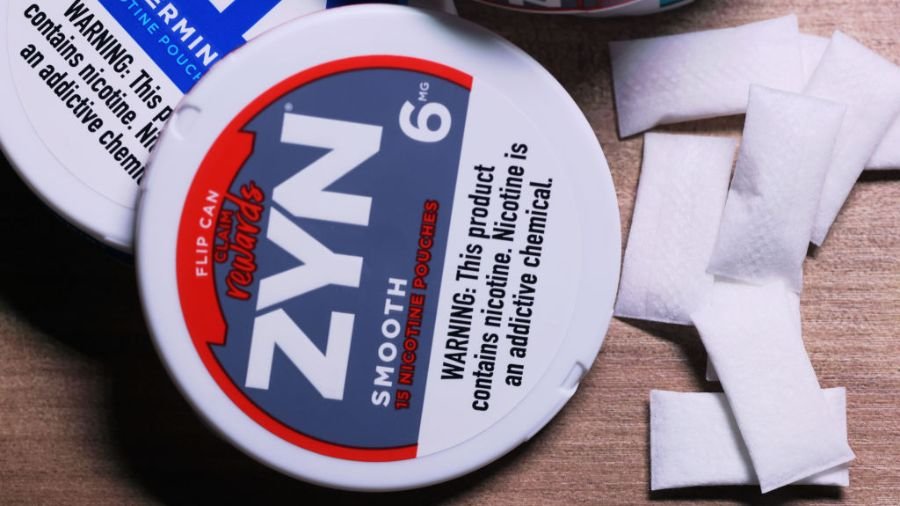
Since 1 September 2026, New York's tobacco products tax has applied to alternative nicotine products at 75% of the wholesale price. The change was enacted in the FY 2027 state budget and puts tobacco-free nicotine pouches and similar products in the same excise regime as cigars and other tobacco products.
What is covered. An alternative nicotine product is a noncombustible product that contains nicotine but no tobacco and is intended for human consumption, whether chewed, absorbed, dissolved or ingested. Two exclusions matter:
Vapor products are outside the new category because New York already taxes them under a separate regime.
FDA-regulated drugs and devices are excluded, which may take in certain smoking cessation products.
How the tax is computed. The tax is an excise on the wholesale price, not a charge added at the till. Wholesale price means the price at which the product is sold to a distributor, including federal excise tax paid by the seller and before discounts, trade allowances or rebates. The distributor generally pays when it brings product into the state. Wholesale and retail dealers become liable for untaxed product in their possession if a distributor has not paid.
Transition obligations. The Department set out three one-time requirements in Notice N-26-2:
Obligation | Who | Deadline |
|---|---|---|
Obtain a tobacco products license or registration (unless already held) | Distributors, wholesale dealers and retail dealers importing or selling these products | By 1 September 2026 |
Physical inventory of all alternative nicotine product units, including stock in vending machines | Distributors, wholesale dealers and retail dealers | As of 11:59 p.m. EST on 31 August 2026 |
File Form MT-200.5 (Alternative Nicotine Products Floor Tax Return) and pay floor tax at 75% of wholesale price on that inventory | All sellers holding stock at the snapshot time | By 21 September 2026 |
Businesses already licensed or registered for tobacco products need no separate registration. Sellers whose range consisted only of nicotine pouches were likely to need registration for the first time. Both the registration and floor tax deadlines have now passed, so any business that missed them faces a compliance gap to close.
No State Tax on Tips, Up to $25,000
For tax years beginning on or after 1 January 2026, New York taxpayers can remove up to $25,000 of qualified tip income from state taxable income. The measure was part of the FY 2027 budget (A10009/S09009), which Governor Hochul signed on 28 May 2026 after several extenders past the 1 April deadline.
The relief follows the federal "No Tax on Tips" provision in IRC § 224, enacted in 2025 under the One Big Beautiful Bill Act. By adopting the federal definition and cap, New York avoids a separate state test for which tips qualify. When the Governor first proposed the measure in January, the Executive Budget described eligibility for single filers earning up to $150,000 and joint filers earning up to $300,000, tracking the federal income thresholds.
The first returns to carry the benefit will be 2026 returns filed in 2027. Hospitality, personal care and other tipped workers are the main beneficiaries. The value to each worker depends on accurate tip reporting, since only properly documented tips will support the state subtraction.
Rolling Conformity, With Targeted Exits
New York is a rolling conformity state. It adopts the Internal Revenue Code automatically as Congress amends it, unless the Legislature passes decoupling legislation. The tips relief shows the default working in taxpayers' favour. The FY 2027 budget shows the other side: where federal changes carried a large state revenue cost, New York opted out, in some cases with retroactive effect.
State decoupling. For tax years beginning on or after 1 January 2025, New York decouples from two One Big Beautiful Bill Act provisions. The decoupling applies across the corporate franchise tax, the personal income tax and the franchise tax on insurance companies:
IRC § 168(n): 100% bonus depreciation for qualified production property.
IRC §§ 174 and 174A: immediate expensing of domestic research and experimental expenditures, including remaining unamortized amounts from years before 2025.
Budget officials estimated earlier in the year that decoupling from these business provisions would save the state about $1.4 billion. Taxpayers will continue to capitalize and recover these costs over time under the prior rules.
New York City decoupling. For tax years beginning after 31 December 2024, the City decouples from four provisions for its unincorporated business tax, general corporation tax, business corporation tax and banking corporation tax:
Federal provision | Effect of City decoupling |
|---|---|
IRC § 168(n) | No 100% bonus depreciation on qualified production property |
IRC § 179(a) | Federal expensing election not followed |
IRC § 174A | No immediate expensing of domestic R&E costs |
IRC § 163(j) | Expanded federal business interest deduction not followed |
Related budget changes. From 2026, a new subtraction removes from New York income any distribution included in federal AGI under IRC § 962(d). The budget also kept the 7.5% corporate rate for businesses with income above $5 million through tax years before 1 January 2030, rather than letting it fall to 6.5% in 2027.
The practical consequence is a widening gap between federal and New York computations. Because the state decoupling is retroactive to 2025, 2025 returns already filed on a conforming basis may need to be amended.
Practical Implications
Distributors, wholesalers and retailers of nicotine products. Confirm that tobacco products registration was in place by 1 September and that Form MT-200.5 was filed and paid by 21 September. Businesses that missed either deadline should regularize now rather than wait for the Department to find the gap. Going forward, check invoices to confirm that distributors are paying the 75% tax, since untaxed stock shifts liability down the chain. Review how each product is classified, because vapor products and FDA-regulated items fall outside the new category.
Employers in tipped industries. Tip records will drive the value of the state subtraction for 2026. Payroll and point-of-sale systems should capture tips accurately so that year-end reporting supports employees' claims. Employers can also expect questions from staff on how the relief works for state returns.
Corporate tax and finance teams. Build separate federal and New York schedules for bonus depreciation on qualified production property and for R&E costs, starting with 2025. Check whether 2025 returns filed on a federal-conforming basis now need amendment. Businesses with New York City exposure should add § 179 and § 163(j) to that review, as the City departs from federal law on both.
Advisers generally. Rolling conformity means federal changes reach New York by default. Each new federal provision should be treated as live in New York until the Legislature acts, and budget season is when decoupling is most likely.
Citations
- 1.• Notice N-26-2: Alternative Nicotine Products Subject to Tobacco Products Tax and Floor Tax Due, NYS Department of Taxation and Finance
- 2.• Instructions for Form MT-200.5, NYS Department of Taxation and Finance
- 3.• Cigarette and tobacco products tax, NYS Department of Taxation and Finance
- 4.• Governor Hochul Announces Agreement on FY 2027 State Budget, NYS Division of the Budget
- 5.• Governor Hochul Unveils Highlights of FY 2027 Executive Budget, NYS Division of the Budget (20 January 2026)
- 6.• Money in Your Pockets: Governor Hochul Kicks Off 2026 With Affordability Agenda, Office of the Governor (1 January 2026)
- 7.• New York State's 2026-2027 Budget Bill Overview, The CPA Journal (September 2026)
- 8.• New York State Enacts 2026–2027 Budget with Individual and Business Tax Law Changes, CBIZ (9 June 2026)
- 9.• New York State Tax Updates, Withum (13 August 2026)
- 10.• Governor Hochul's FY 2027 Executive Budget proposal, SALT Shaker (22 January 2026)
Finish Reading the Full Story and Expert Analysis.
Get the latest legal & regulatory intelligence in United States
Wansom is AI and can make mistakes.