
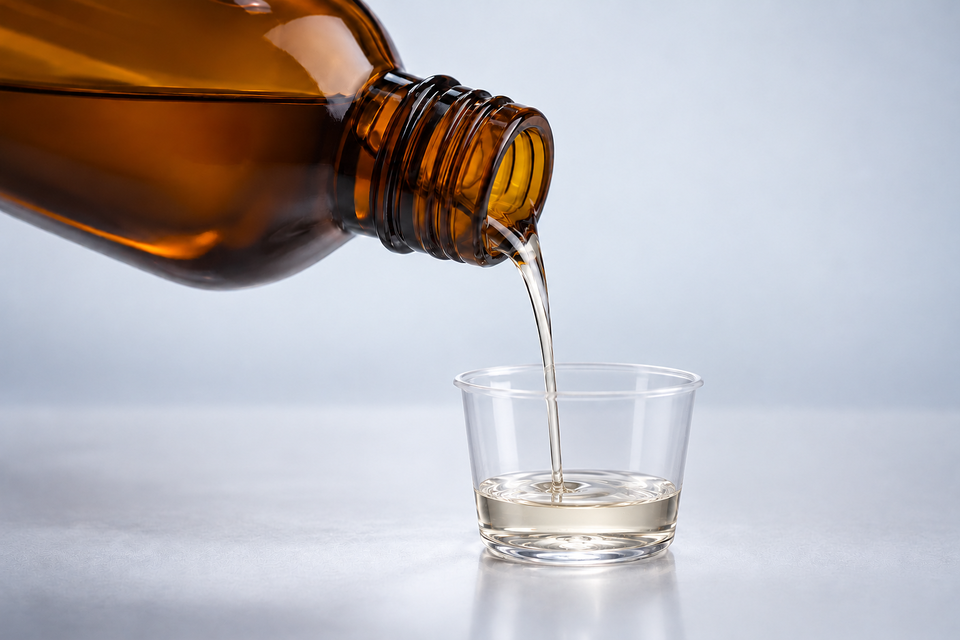
MHRA: Conditional Approval Triheptanoin Dojolvi For LC-FAOD Treatment
Summary
- The MHRA granted conditional marketing authorisation for Triheptanoin (Dojolvi) on October 30, 2026.
- Dojolvi is an oral liquid approved for adults and children with long-chain fatty acid oxidation disorders (LC-FAOD).
- This conditional approval requires Ultragenyx Netherlands to provide further efficacy and safety data from an ongoing paediatric study.
- The medicine helps prevent cellular energy crises in LC-FAOD patients, but common side effects include stomach pain, diarrhoea, and vomiting.
- This decision by the Medicines and Healthcare products Regulatory Agency addresses a significant barrier for patients seeking rare inherited disorders treatment in the UK.
Key Regulatory Decision
The conditional nature of this marketing authorisation underscores the Medicines and Healthcare products Regulatory Agency's commitment to ongoing scrutiny, requiring Ultragenyx Netherlands to provide further efficacy and safety evidence from an ongoing paediatric study for full approval.
On October 30, 2026, the Medicines and Healthcare products Regulatory Agency (MHRA) announced the conditional approval of Triheptanoin (Dojolvi), an oral liquid formulation, for the treatment of both adult and paediatric patients diagnosed with long-chain fatty acid oxidation disorders (LC-FAOD). This significant LC-FAOD drug approval UK marks a crucial step for individuals suffering from these rare inherited disorders. The marketing authorisation was granted to Ultragenyx Netherlands, making Dojolvi available by prescription.
The MHRA conditional approval Triheptanoin Dojolvi is not a full marketing authorisation but rather a conditional one. This distinction is critical, as it mandates the provision of additional evidence regarding the drug's efficacy and safety. This further data is expected to emerge from an ongoing paediatric study, which is a prerequisite for the eventual conversion to a full marketing authorisation. The regulatory body emphasized its commitment to ensuring patient access to high-quality, safe, and effective medical products, while also acknowledging the significant barriers often faced by patients with rare diseases in accessing effective treatments.
Understanding LC-FAOD and Dojolvi's Mechanism
Long-chain fatty acid oxidation disorders (LC-FAOD) represent a group of rare inherited conditions affecting individuals across all age groups, from children to adults. Patients afflicted with LC-FAOD encounter substantial challenges in generating sufficient energy, primarily due to their body's impaired ability to utilize long-chain fatty acids as a vital energy source. This metabolic dysfunction places them at an elevated risk of experiencing severe clinical events, frequently necessitating hospitalisation. These events can manifest as muscle breakdown, damage to the heart muscle, and episodes of low blood sugar, highlighting the critical need for effective therapeutic interventions.
Triheptanoin (Dojolvi) functions by actively preventing these energy crises at a cellular level. Administered daily as an oral liquid, the medicine is an integral component of a carefully managed dietary regimen. Its mechanism of action is designed to mitigate the cellular energy deficits that lead to the debilitating symptoms of LC-FAOD. As a prescription-only medication, patients are advised to adhere strictly to their healthcare professional's instructions for its use. While offering therapeutic benefits, common side effects associated with Dojolvi, affecting more than 1 in 10 individuals, include stomach pain, diarrhoea, and vomiting. Any suspected adverse reactions should be reported to a doctor, pharmacist, or nurse, and directly to the Yellow Card scheme.
Regulatory Oversight and Future Requirements
The conditional nature of this marketing authorisation underscores the Medicines and Healthcare products Regulatory Agency's commitment to ongoing scrutiny, requiring Ultragenyx Netherlands to provide further efficacy and safety evidence from an ongoing paediatric study for full approval. This approach aligns with the MHRA's overarching responsibility to regulate all medicines and medical devices within the UK, ensuring their effectiveness and acceptable safety profiles. The agency operates on the principle that all its decisions are underpinned by robust, fact-based judgments, ensuring that the benefits of any approved treatment demonstrably outweigh its potential risks.
This Ultragenyx Netherlands conditional approval signifies that while the MHRA has deemed Triheptanoin (Dojolvi) suitable for use, its continued market presence and potential for a full Triheptanoin Dojolvi marketing authorisation are contingent upon fulfilling these post-marketing requirements. The MHRA, an executive agency of the Department of Health and Social Care, will maintain close review of the drug's safety. Further detailed information, including the Summary of Product Characteristics and Patient Information leaflets, will be made publicly available on the MHRA Products website within seven days following the approval date, providing essential guidance for healthcare professionals and patients regarding this rare inherited disorders treatment UK.
Practical Implications
Lawyers advising pharmaceutical companies or healthcare providers should note the conditional nature of this marketing authorisation. This implies ongoing regulatory scrutiny and a requirement for further evidence from the paediatric study, which could impact future market access, product labeling, and compliance obligations if conditions are not met.
Source
How does this affect you?
Get an AI analysis of this article grounded in your jurisdictions, practice areas, and any policy documents you've uploaded to Wansom.
Finish Reading the Full Story and the Expert Analysis.
Wansom is AI and can make mistakes.