
New report
Briefly Africa Trade Law Report | September 2026
Includes 7 Malawi developments · 6 markets
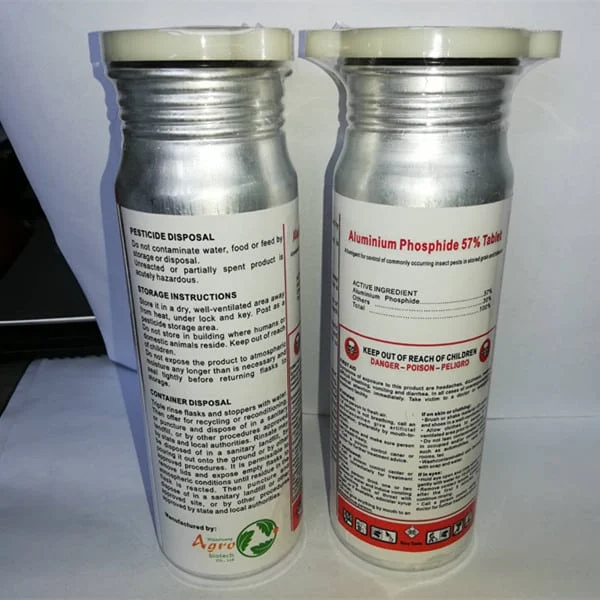
Malawi Suspends Aluminium Phosphide Import Licences: A Tighter Regime for a Deadly Grain Fumigant
Summary
The decision: PCB chairperson Victor Madhlopa announced the suspension of aluminium phosphide import licences at Bvumbwe on 25 September 2026, alongside a review of all licences for highly hazardous pesticides.
The reasons: accidental poisoning, occupational exposure and intentional self-poisoning. Registrar James Kaphale said the product reached formal and informal markets through illegal sale, diversion and repackaging.
The process: meetings with CropLife Malawi (3 September) and the Agro-Dealers Association (10 September), then a Board resolution (17 September), preceded the suspension.
The legal basis: the Pesticides Act (Chapter 35:04), which gives the PCB control over the import, distribution, sale, storage, use and disposal of pesticides, and power to suspend or cancel registrations and permits.
The new regime: use limited to large-scale, trained and certified grain dealers, with traceability from border to end use.
Enforcement: unauthorised sale, distribution or repackaging is a criminal offence. PCB and police are conducting nationwide sweeps, and households are asked to hand in stock safely.
Trade law: a health-based import restriction well within GATT Article XX(b) and in line with FAO/WHO guidance on highly hazardous pesticides. The risks are cross-border leakage and the impact on household food storage.
What the Board Decided, and Why
The decision. At a media briefing at its headquarters in Bvumbwe on Friday, 25 September 2026, the Pesticides Control Board (PCB) suspended licences for the importation of aluminium phosphide. Known locally as "chi m'bulu", it is widely used in households to protect stored maize and to kill rats. Board chairperson Victor Madhlopa announced that a comprehensive, rigorous review had been initiated.
The reasons. The PCB cited three dangers:
accidental poisoning, especially in homes where the product is stored near food and people;
occupational exposure among those handling it; and
cases of intentional self-poisoning.
Aluminium phosphide is classified as a highly hazardous pesticide and a restricted product, intended for sale to and use by certified applicators only. In practice, it has been reaching ordinary households.
How it unfolded:
Date | Step |
|---|---|
3 September 2026 | PCB meets CropLife Malawi (representing importers); minutes record "grave concern" over improper sale and misuse |
10 September 2026 | PCB meets the Agro-Dealers Association, which acknowledges the product is reaching people without authorisation or training |
17 September 2026 | PCB Board resolves to review all licences for highly hazardous pesticides, including aluminium phosphide |
25 September 2026 | Import licences for aluminium phosphide suspended; nationwide enforcement sweeps announced |
How the product escaped control. PCB Registrar James Kaphale said the chemical had reached both formal and informal markets through illegal sale, diversion and repackaging. Some agro-dealers were found to be breaking packs down and selling single tablets to unauthorised buyers. Industry participants at the September meetings supported stronger licensing, tighter monitoring and stricter access controls.
Enforcement and public guidance. Madhlopa warned that unauthorised sale, distribution or repackaging is a criminal offence, and that PCB enforcement officers and the Malawi Police Service would conduct nationwide sweeps. Households holding the product were urged not to dispose of it themselves, but to keep it sealed and dry and hand it to local agricultural extension officers or local leaders for safe disposal.
The Legal Basis: The Pesticides Act
The statute. The Pesticides Act (Chapter 35:04) establishes the Pesticides Control Board as the body responsible for controlling and managing pesticides in Malawi. Among its functions, the Board must monitor and control the import, export, manufacture, distribution, sale, storage, use and disposal of pesticides.
The control points the Act creates:
Control | What the law requires |
|---|---|
Registration | An importer may not import a pesticide that has not been registered. The Board registers only pesticides that are suitable and effective for their intended use and do not pose significant danger to human or animal health or the environment |
Import permits | Registered pesticides are imported under a permit from the PCB. Unregistered pesticides can be imported only under a permit for analysis, registration, research or a pest emergency |
Record-keeping | Every importer and exporter must keep records of quantities imported or exported |
Use of permits | A permit holder may not pass imported pesticide to anyone other than the person specified |
Suspension and cancellation | The Board may suspend or cancel a pesticide's registration or an import permit on grounds set out in the Act |
Ministerial restrictions | The Minister may prohibit or restrict the use of certain pesticides |
What the suspension does. By suspending import licences, the PCB has closed the front door to new supply while it reviews licences across the whole distribution chain. Product already in the country remains subject to the Act's controls on sale, distribution, repackaging and use. That is why the Board describes unauthorised selling and repackaging as criminal offences and is pairing the suspension with police-supported enforcement.
Procedural fairness. A licence suspension is administrative action. Under Malawi's Constitution, affected licensees are entitled to lawful and procedurally fair treatment, including reasons and, where appropriate, a chance to be heard. The September consultations with CropLife Malawi and the Agro-Dealers Association, and the Board's formal 17 September resolution, help show a reasoned process. How the review treats individual importers will matter if any licensee challenges the outcome.
The New Regime: From Household Product to Certified-Use Chemical

The Board's announcements point to a fundamental change in who may lawfully use aluminium phosphide in Malawi.
Element | Before | Under the announced regime |
|---|---|---|
Who may use it | Restricted on paper to certified applicators, but sold widely to households and informal traders | Only large-scale, trained and certified grain dealers |
Distribution | Imported by licensed importers, then sold through agro-dealers, often repackaged into single tablets | Tighter licensing of importers and distributors; restrictions on untrained or unlicensed agro-dealers buying the product |
Oversight | Limited visibility once product left the importer | A traceability system tracking the chemical from the border to its final point of use |
Licences | Existing import and distribution licences | All licences for highly hazardous pesticides under review; import licences for aluminium phosphide suspended |
Enforcement | Routine inspections | Nationwide sweeps by PCB inspectors and the Malawi Police Service |
Traceability "from border to final use." Registrar Kaphale called for a system that follows the chemical through every handover. In practice that would mean:
recording quantities at import, against the importer's licence;
logging each sale to a licensed distributor, and onward only to certified users;
verifying that the end user holds valid certification and storage facilities; and
accounting for disposal of empty packaging and expired stock.
Why this design. The core problem identified by the PCB is diversion, not importation alone. Product that enters legally leaks out through repackaging and informal sales. A suspension stops new supply temporarily; a traceability regime is what prevents leakage once supply resumes.
What it means for households. If the regime is implemented as announced, households and small farmers will no longer be able to buy or use aluminium phosphide lawfully. Grain protection at household level will need to rely on safer alternatives, such as hermetic storage bags and approved, lower-hazard grain protectants, or on fumigation carried out by certified operators.
The Trade and International Law Dimension
1. A lawful health-based import restriction
Suspending import licences restricts trade, but international trade law gives governments wide room to act on human health. GATT Article XX(b) allows measures necessary to protect human, animal or plant life or health, provided they are not arbitrary or disguised protectionism. A suspension targeted at a single, highly hazardous substance, applied to all importers regardless of origin and backed by documented evidence of harm, fits comfortably within that space. Good practice is to notify trading partners of significant new technical regulations or procedures through the WTO's transparency mechanisms.
2. International guidance on highly hazardous pesticides
The FAO/WHO International Code of Conduct on Pesticide Management encourages governments to identify highly hazardous pesticides and to reduce their risks, including by restricting availability to trained and certified users or removing them from the market where risks cannot be managed. The World Health Organization also identifies restricting access to highly hazardous pesticides as an effective public-health measure. Malawi's move from household availability to certified-use only follows that guidance.
3. Comparative practice
Other countries have taken similar approaches. In India, for example, aluminium phosphide is on the list of restricted pesticides, with pest control operations limited to government bodies and authorised pest control operators rather than the general public. Restricting the product to professional fumigation, rather than banning it outright, is a common middle path, because fumigation remains important for protecting large grain stocks.
4. The cross-border leakage risk
A suspension in Malawi does not change rules in neighbouring countries. If aluminium phosphide remains freely available across the border, informal imports could replace legal ones, undermining both the suspension and future traceability. That is why the Registrar's "border to final use" model matters: it needs customs and border agencies, not just the PCB, to identify and intercept unlicensed consignments. Regional coordination on highly hazardous pesticides through SADC would strengthen the measure.
5. Food security trade-offs
Post-harvest losses from insects and rodents are a serious threat to household food security in a maize-dependent country. Removing a widely used grain protectant without accessible alternatives risks higher losses, or a shift to illicit supplies. The regime's success will depend on making safer storage options, such as hermetic bags and approved lower-hazard protectants, available and affordable, alongside certified fumigation services for larger stocks.
What It Means for Each Stakeholder
Pesticide importers (CropLife Malawi members)
The impact: import licences for aluminium phosphide are suspended, and all highly hazardous pesticide licences are under review. Stock in transit or on order may not be cleared. What to do: engage the PCB on the review, document compliance with existing licence conditions and distribution records, and prepare for tighter conditions, including traceability reporting and sales only to certified buyers, if licences are reinstated.
Agro-dealers and distributors
The impact: the PCB has warned that unauthorised sale, distribution or repackaging is a criminal offence, and nationwide sweeps with the police are under way. Breaking packs into single tablets is a named target. What to do: stop any sale to unauthorised buyers immediately, keep stock secured and recorded, and cooperate with inspections. Dealers that want a role in the new regime should prepare for licensing, training and record-keeping obligations.
Informal vendors
The impact: selling aluminium phosphide informally, including repackaged tablets, exposes vendors to criminal liability under the Pesticides Act. What to do: stop selling, and hand stock to agricultural extension officers or local leaders.
Large-scale grain dealers and warehouse operators
The impact: under the announced regime, they are the only users permitted, provided they are trained and certified. What to do: begin certification for fumigation staff, review storage and safety facilities, and expect traceability reporting on each purchase and use.
Households and smallholder farmers
The impact: households will no longer be able to buy or use aluminium phosphide lawfully. What to do: follow PCB guidance to hand in any stock safely, and switch to safer grain-storage methods, such as hermetic storage bags and approved lower-hazard protectants. Agricultural extension services are the first point of contact.
Food Reserve and grain-storage agencies
Large public grain stocks need effective fumigation. Agencies should confirm that their fumigation is carried out by certified operators under the new regime, so public stocks remain protected without breaching the rules.
Health workers and public-health authorities
The measure aims directly at reducing poisonings. Health facilities should report suspected poisonings to support monitoring of whether restrictions are working.
Customs and border agencies
The "border to final use" model depends on customs identifying and stopping unlicensed consignments, including informal cross-border flows from neighbouring countries.
Lawyers and compliance advisers
The work includes advising importers and dealers on licence suspension and review, representing clients in any enforcement action, and helping design compliant traceability and certification systems.
What to Watch
Milestone | Why it matters |
|---|---|
Outcome of the PCB licence review | Which importers and distributors keep licences, and on what conditions |
Formal rules for certified use | Criteria for "large-scale, trained and certified" grain dealers, and the certification process |
Design of the traceability system | How quantities are tracked from border to end use, and who reports what |
Enforcement sweeps | Prosecutions or seizures that signal how strictly the law will be applied |
Availability of safer alternatives | Whether hermetic storage and lower-hazard protectants reach households at affordable prices |
Regional coordination | Whether neighbouring countries align controls to limit informal cross-border supply |
Frequently Asked Questions
What did Malawi's Pesticides Control Board decide? On 25 September 2026, it suspended licences for importing aluminium phosphide ("chi m'bulu") and began a review of all licences for highly hazardous pesticides.
Why was aluminium phosphide restricted? The Board cited accidental poisoning, occupational exposure and intentional self-poisoning, and found the product was reaching unauthorised users through illegal sale, diversion and repackaging.
Who will be allowed to use it? Under the announced regime, only large-scale, trained and certified grain dealers.
What should households with the product do? The PCB has asked people not to dispose of it themselves, but to keep it sealed and dry and hand it to agricultural extension officers or local leaders.
Is selling it now illegal? The PCB has warned that unauthorised sale, distribution or repackaging is a criminal offence, and nationwide enforcement sweeps with the police are under way.
Under what law is the Board acting? The Pesticides Act (Chapter 35:04), which gives the PCB responsibility for controlling the import, distribution, sale, storage, use and disposal of pesticides, and power to suspend or cancel registrations and permits.
If you or someone you know is in distress or thinking about self-harm, please reach out to a health worker, a trusted person or local emergency services.
Citations
- 1.• PCB suspends chemical importation licences, The Nation
- 2.• PCB to review Aluminium Phosphide licences, The Nation
- 3.• 'Chi m'bulu' crackdown: Malawi pesticide regulator suspends imports, Nyasa Times (26 September 2026)
- 4.• Pesticides Control Board tightens net on aluminium phosphide licences, Nyasa Times (19 September 2026)
- 5.• Malawi's pests board moves to review Aluminium Phosphide licences over misuse, The Maravi Post (18 September 2026)
- 6.• Pesticides Act (35:04), Malawi Trade Portal
- 7.• A Critical Review of the Status of Pesticide Exposure Management in Malawi, ResearchGate
Finish Reading the Full Story and Expert Analysis.
Get the latest legal & regulatory intelligence in Malawi
Wansom is AI and can make mistakes.