
New report
Briefly Africa Trade Law Report | September 2026
Includes 7 Malawi developments · 6 markets
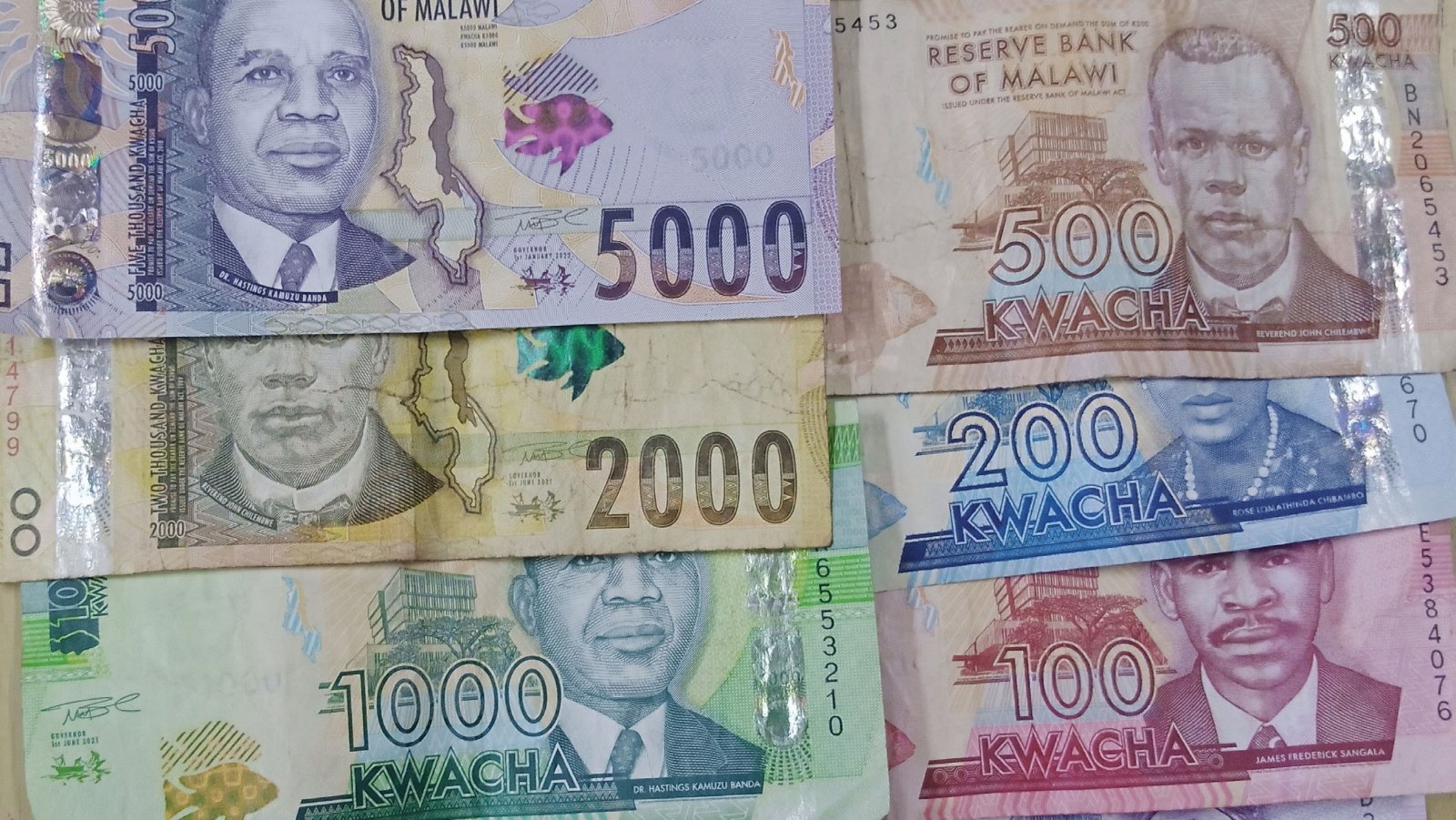
Malawi Caps Foreign Cash and Kwacha Exports: What the Reserve Bank's New Exchange Control Notices Mean
Summary
Possession cap: no individual may physically hold more than US$1,000 in foreign currency without Reserve Bank of Malawi permission.
Outbound foreign currency: taking or sending more than US$1,000 abroad requires proof of purchase from an authorised dealer, or RBM permission.
Outbound kwacha: limited to the equivalent of US$5,000 for cross-border traders and US$100 for other travellers, without permission.
Timing: made on 7 September 2026 and gazetted on 18 September 2026 by Governor George Partridge, within the framework of the Exchange Control Act.
Context: reserves fell to US$600.6 million, about 2.4 months of import cover, in July 2026. Malawi has had no IMF programme since May 2025, and the government rules out devaluation.
Unanswered: the RBM has not explained why it acted, how the rules will be enforced, or whether the cap covers cash at home.
Trade-law risk: if traders cannot obtain foreign currency formally and cannot use it informally, the controls may restrict payments for imports, raising IMF Article VIII and regional trade concerns.
The Three Notices
The Governor of the Reserve Bank of Malawi (RBM), George Partridge, made three foreign exchange notices on 7 September 2026. They were published in the Malawi Government Gazette Supplement on 18 September 2026. Together they control three things: how much foreign cash a person may hold, how much foreign currency may leave the country, and how much kwacha may leave the country.
Notice | What it controls | Limit without RBM permission |
|---|---|---|
Foreign Exchange (Limit on Physical Possession of Foreign Currency) Notice, 2026 | Physical possession of foreign currency by any person | US$1,000, or the equivalent in another foreign currency |
Notice on taking or sending foreign currency out of Malawi | Foreign currency leaving Malawi | Above US$1,000 requires evidence the currency was bought from an authorised dealer, or RBM permission |
Notice on taking or sending Malawi currency out of Malawi (Government Notice No. 88) | Kwacha leaving Malawi | Equivalent of US$5,000 for cross-border traders; US$100 for other travellers |
The core rule. The possession notice provides that a person shall not, without the Bank's permission, physically possess foreign currency exceeding US$1,000 or its equivalent in any other foreign currency.
How the rules fit together.
Holding: foreign banknotes above US$1,000 need RBM permission. Whether this covers cash kept at home, cash carried on the person, or both has not been explained.
Leaving with foreign currency: amounts above US$1,000 are allowed only with proof of purchase from an authorised dealer, typically a bank or licensed bureau, or with RBM permission.
Leaving with kwacha: a separate, much lower ceiling applies, with a special allowance for cross-border traders who pay suppliers in neighbouring countries.
In plain terms: dollars, rand and other foreign banknotes are now meant to sit in the formal banking system, not in pockets, homes or the parallel market. Anyone moving more than small amounts across the border must be able to show where the money came from.
The Legal Basis
The framework. Malawi's exchange control regime rests on the Exchange Control Act (Chapter 45:01) and the regulations and instruments made under it. The Act gives wide regulation-making power for controlling foreign exchange, bullion and Malawi currency, expressly covering:
the buying, selling, borrowing, lending or exchange of foreign currency;
the powers, duties and responsibilities of authorised dealers in foreign exchange; and
the taking or sending out of Malawi of Malawi currency, foreign currency or bullion.
It also allows the regulations to create offences for acts done in or outside Malawi, and to empower courts to order forfeiture of currency or goods involved in an offence. Some Malawian outlets have described the September instruments as amendments under foreign exchange legislation. Either way, the notices are delegated legislation made by the central bank within that statutory framework.
Authorised dealers. Under the exchange control framework, licensed commercial banks are designated authorised dealers, and foreign exchange bureaux are licensed participants in the market. The second notice relies on this structure: proof that foreign currency was bought from an authorised dealer, such as a bank or licensed bureau, is what lets a traveller take more than US$1,000 out of the country without separate RBM permission.
What the notices add. Exchange control has long centred on dealing: foreign currency must be bought and sold through authorised dealers. The September notices add explicit numerical rules on possession and movement: a US$1,000 ceiling on holding foreign cash, a US$1,000 threshold above which taking foreign currency abroad needs dealer evidence or permission, and separate ceilings on taking kwacha out of the country. The effect is to push foreign currency into the formal system and make the source of any cash carried across the border traceable.
Penalties. The notices themselves, as reported, set the thresholds but have not been accompanied by public guidance on sanctions. The parent Act's power to create offences and order forfeiture is the backdrop against which travellers and traders should assume enforcement will operate.
Why Now: A Foreign Exchange Crisis
Reserves below the safety line. RBM data for July 2026 show total foreign exchange reserves of US$600.6 million, equal to 2.4 months of import cover, below the internationally recommended minimum of three months. Reserves fell from US$616.1 million (2.5 months) in June, and were also below the July 2025 level of US$607.7 million. The RBM attributed the monthly decline mainly to lower estimated private-sector reserves, while gross official reserves improved slightly.
A gap between official and parallel rates. The central bank holds the kwacha near 1,749 per US dollar, while dollars on the parallel market cost far more. The World Bank has described the parallel-market premium as very high. That gap is the root of the problem the notices address: anyone who can sell dollars at the parallel rate has little incentive to sell them to a bank at the official rate. Scarce foreign currency therefore drifts out of the formal system, into cash holdings and informal channels.
No devaluation, no IMF programme. Malawi has had no IMF lending arrangement since May 2025. The government of President Peter Mutharika, in office since October 2025, has ruled out devaluing the kwacha, and the Finance Minister reiterated in late September 2026 that there would be no devaluation. Malawi devalued by 25% in May 2022 and 44% in November 2023, and prices jumped sharply both times.
Controls instead of price adjustment. With devaluation off the table and no new external financing, the authorities have turned to administrative controls. The RBM has not publicly stated its reasons, but the notices appear designed to:
pull foreign cash back into the banking system, where it can be allocated to priority imports;
reduce the leakage of foreign currency across borders through informal channels; and
make it harder to fund cross-border purchases from the parallel market.
The economists' verdict. University of Malawi economics lecturer Edward Leman said the controls may help the RBM manage scarce foreign exchange, but cannot on their own increase reserves. He argued that sustainable improvement needs higher export earnings, foreign investment, stronger formal remittance channels and restored confidence in the formal market. Economic analyst Milward Tobias called the measures crisis management that should be temporary, likening them to rationing in a household facing scarcity.
Open Questions, and Two Views on Whether It Will Work
What the RBM has not explained. By The Nation's press time, the RBM had not responded to its request to explain:
Question | Why it matters |
|---|---|
What prompted the restrictions | Determines whether the controls are temporary crisis measures or a lasting policy shift |
How they will be enforced | Border checks, searches, bank reporting or market raids each carry different risks for travellers and traders |
Whether the US$1,000 possession cap covers cash at home, cash carried, or both | A cap on cash at home would reach savings held in dollars, a far more intrusive rule than a cap at the border |
Until the RBM issues guidance, individuals and businesses face legal uncertainty on all three points.
Two competing predictions.
View | Argument |
|---|---|
The controls will help | The Economics Association of Malawi (Ecama) says the restrictions could improve foreign currency availability in the formal market. Leslie Fatch, president of the Financial Market Dealers Association of Malawi, agrees they could improve liquidity by discouraging people from keeping foreign currency outside the formal system |
The controls may backfire | Economists also warn that if households, businesses and investors see tighter restrictions on holding or moving foreign currency, they may hold more cash outside the banking system, use informal channels more, or bring less foreign currency into the formal market at all |
The behavioural risk. Capital controls change incentives. A diaspora worker who sends dollars home, a tourist operator paid in cash, or an exporter holding dollar receipts each decides whether to route money through banks. If the formal system feels like a trap rather than a safe harbour, foreign currency may simply stop arriving through it, worsening the shortage the controls are meant to address.
The Trade-Law Analysis
1. Capital controls versus restrictions on current payments
International monetary law draws a key distinction. Under the IMF's Articles of Agreement, members may regulate capital movements. But a member that has accepted the obligations of Article VIII may not restrict payments and transfers for current international transactions, such as paying for imported goods and services, without IMF approval. Malawi has accepted Article VIII obligations.
The September notices sit on both sides of that line:
Limits on holding foreign cash and on carrying cash across the border look primarily like controls on capital and on the physical movement of currency.
But a cross-border trader who needs foreign currency to pay for goods in Zambia, Tanzania or Mozambique is making a current transaction. If formal channels cannot supply foreign currency and the informal route is now blocked, the practical effect is a restriction on paying for imports.
Whether the notices amount to an exchange restriction in the IMF sense depends on how they are applied: whether authorised dealers actually supply foreign currency for legitimate trade, and whether RBM permission is granted predictably. A system in which traders cannot obtain foreign currency formally and are barred from using it informally risks crossing that line.
2. Regional trade commitments
Malawi belongs to both SADC and COMESA, which promote free movement of goods and, increasingly, of payments for trade. COMESA's Simplified Trade Regime is designed specifically for small cross-border traders moving low-value consignments, with simplified documents and origin rules. A trade regime built to help small traders loses much of its value if those traders cannot lawfully obtain or carry the currency to pay for goods. Regional partners whose markets depend on Malawian buyers may raise the effects through SADC or COMESA forums.
3. Informal cross-border trade
A significant part of Malawi's trade with its neighbours is informal: small traders buying goods in neighbouring markets with cash and selling them at home. The US$5,000 kwacha allowance for cross-border traders recognises that reality. But the second notice, requiring proof that any foreign currency above US$1,000 came from an authorised dealer, cuts across it. According to Cross-Border Traders Association of Malawi chairperson Steven Yohane, traders cannot access foreign currency through formal channels, so most rely on the black market. Those traders cannot produce dealer receipts.
4. Rule of law and proportionality
Controls that touch cash held at home raise questions of privacy, property and proportionality under Malawi's Constitution, particularly if enforcement involves searches or forfeiture. Clear guidance on scope and enforcement, published promptly, would reduce the risk of arbitrary application and legal challenge.
What It Means for Each Stakeholder
Small cross-border traders
The hardest hit. Traders who buy goods in Zambia, Tanzania, Mozambique or South Africa with cash face a double bind. They cannot easily buy foreign currency from banks, and they cannot now carry more than US$1,000 in foreign currency out of Malawi without a dealer receipt or RBM permission. Their kwacha allowance is US$5,000 equivalent, but suppliers abroad may not accept kwacha. What to do: buy foreign currency through authorised dealers where possible and keep every receipt. Ask the RBM, through the Cross-Border Traders Association, for a clear permission procedure for traders. Explore paying suppliers by bank transfer or mobile money where available.
Importers and businesses
The worry: formal access to foreign currency is still scarce, and companies holding dollar cash for operations may breach the US$1,000 possession cap. What to do: keep foreign currency in bank accounts rather than cash, document all foreign currency sources, and seek RBM permission for any operational need for larger cash holdings.
Exporters
The opportunity and the risk: exporters earn foreign currency, and controls are meant to channel it into the formal system. Exporters should expect stricter scrutiny of how proceeds are held and converted, alongside existing rules on surrendering export earnings.
Travellers, tourists and the diaspora
The rule: Malawian travellers may take kwacha worth no more than US$100 without permission, and foreign currency above US$1,000 only with proof of purchase from an authorised dealer. Visitors arriving with more than US$1,000 in cash should check with their bank or the RBM, given the possession cap. The diaspora effect: if remitting or bringing dollars home feels riskier, some diaspora flows may shift further into informal channels, the opposite of the RBM's aim.
Tourism businesses
Lodges and tour operators that receive cash in foreign currency must avoid accumulating more than US$1,000 in physical notes without permission, and should bank foreign receipts promptly.
Banks and foreign exchange bureaux
Authorised dealers become the gateway: their receipts are the evidence travellers need to move foreign currency abroad. Demand for formal foreign currency, and for documentation, will rise, but dealers can only supply what they have.
Neighbouring countries' traders and markets
Markets in Zambia, Tanzania, Mozambique and South Africa that sell to Malawian traders may see lower demand if those traders cannot carry currency to pay. Regional suppliers may need to accept kwacha, bank transfers or mobile payments.
Lawyers and advisers
The immediate work is advising clients on compliance with possession and movement limits, applying for RBM permissions, and responding to any enforcement action or forfeiture. Longer term, it includes advising on the compatibility of the controls with IMF and regional commitments.
What to Watch
Milestone | Why it matters |
|---|---|
RBM guidance on scope and enforcement | Whether the US$1,000 cap covers cash at home, and how border checks will work |
A permission procedure for cross-border traders | Whether traders get a workable route to foreign currency |
Monthly reserve data | Whether reserves recover above three months of import cover |
Parallel-market premium | Whether the controls narrow or widen the gap with the official rate |
IMF engagement | Any new programme, and IMF views on whether the measures restrict current payments |
Regional reactions | Responses from Zambia, Tanzania, Mozambique and SADC/COMESA bodies |
Frequently Asked Questions
How much foreign currency can I hold in Malawi? No more than US$1,000, or its equivalent in another foreign currency, without permission from the Reserve Bank of Malawi, under the Foreign Exchange (Limit on Physical Possession of Foreign Currency) Notice, 2026.
How much foreign currency can I take out of Malawi? Amounts above US$1,000 require evidence that the currency was bought from an authorised dealer, or RBM permission.
How much kwacha can I take out of Malawi? The equivalent of US$5,000 for cross-border traders and US$100 for other travellers, without RBM permission.
When did the rules take effect? The notices were made on 7 September 2026 and published in the Malawi Government Gazette Supplement on 18 September 2026.
Does the US$1,000 cap apply to cash kept at home? The RBM has not yet clarified whether the cap applies to cash held at home, cash carried, or both.
Why did Malawi introduce these controls? The RBM has not publicly explained its reasons. The measures come as reserves fell to US$600.6 million, about 2.4 months of import cover, in July 2026, with a large gap between official and parallel exchange rates.
Citations
- 1.• Forex crisis deepens, RBM tightens controls, The Nation (24 September 2026)
- 2.• Economists flag risks in RBM forex controls, The Nation
- 3.• Travelers face new cash limits, Malawi24 (24 September 2026)
- 4.• Buck stops here: Malawi puts $1,000 limit on cash in your pocket, Nyasa Times
- 5.• Government makes amendments to Foreign Exchange Act that limits exportation of forex, Maravi Express (23 September 2026)
- 6.• Malawi Tightens Cash Rules With US$1,000 Forex Limit, Travel And Tour World
- 7.• Exchange Control Act, Chapter 45:01, MalawiLII
- 8.• Malawi Business Guide 2026, The Rio Times
Finish Reading the Full Story and Expert Analysis.
Get the latest legal & regulatory intelligence in Malawi
Wansom is AI and can make mistakes.