
Kenya Elected to ISA Council for 2027-2030 Term
Summary
- Kenya has been elected to the ISA Council for the 2027-2030 term.
- The election reflects Kenya's commitment to UNCLOS principles and sustainable ocean governance.
- Kenya's membership strengthens its voice in shaping global regulatory frameworks for deep-seabed activities.
- The country will champion African and developing-country interests within the multilateral forum.
What Happened
This commitment encompasses rules-based ocean governance, the sustainable management of the common heritage of humankind, the advancement of maritime scientific research, and the promotion of equitable and inclusive stewardship of the world's oceans.
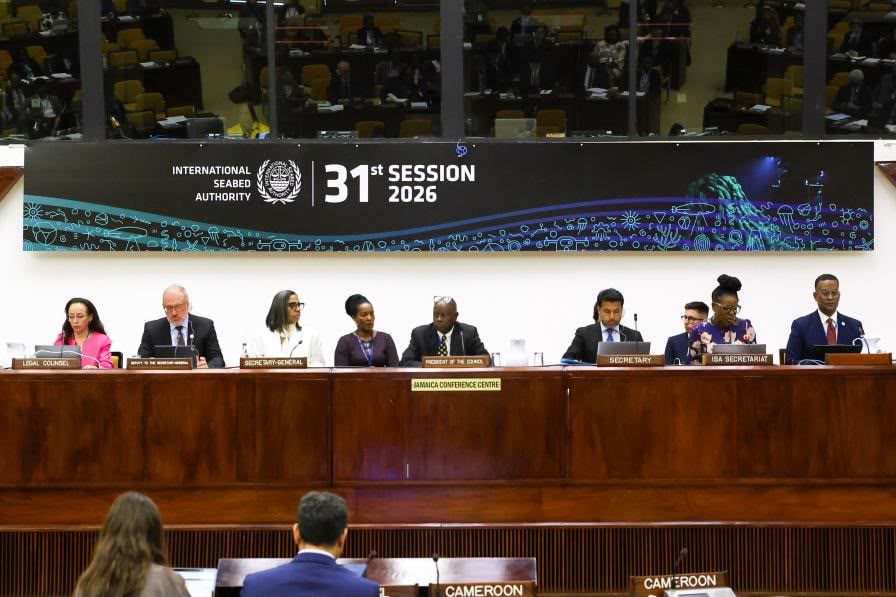
Kenya's election to the ISA Council for the 2027-2030 term marks a significant milestone in the country's commitment to international ocean governance. The election took place during the 31st Session of the ISA Assembly, held in Kingston, Jamaica. This development underscores Kenya's reputation as a responsible global player and its dedication to upholding the principles of UNCLOS. The ISA Council plays a crucial role in shaping the regulatory framework for deep-seabed activities, ensuring equitable benefit-sharing, promoting marine scientific research, and enforcing robust environmental safeguards. By joining the council, Kenya gains a stronger voice in these critical areas, enabling it to champion African and developing-country interests within this multilateral forum.
Legal Context
The ISA's establishment under UNCLOS in 1982 reflects the international community's recognition of the need for coordinated management of ocean resources. The treaty sets out rules for mineral-related activities in areas beyond national jurisdiction, emphasizing the importance of sustainable ocean governance and equitable benefit-sharing. Kenya's election to the ISA Council is a testament to its commitment to these principles, which are also reflected in its leadership role in the Nairobi Sustainable Blue Economy Conference and the Eleventh Our Ocean Conference held in Mombasa. These initiatives demonstrate Kenya's dedication to promoting marine scientific research, ensuring robust environmental safeguards, and advancing maritime scientific research.
Why It Matters
Kenya's election to the ISA Council has significant implications for the country's role in shaping global regulatory frameworks. As a member of the council, Kenya will be able to influence decisions on deep-seabed activities, ensuring that they are conducted in an environmentally responsible and equitable manner. This development also reinforces Kenya's leadership in sustainable ocean governance and the blue economy, enabling it to more effectively champion African and developing-country interests within this critical multilateral forum. Furthermore, Kenya's commitment to UNCLOS principles will continue to guide its actions, as reaffirmed by Principal Secretary Dr Korir Sing'oei.
Practical Implications
Lawyers and compliance officers should watch for potential implications of this election on the regulatory framework for deep-seabed activities, particularly with regards to equitable benefit-sharing and environmental safeguards.
Source
Source: Original reporting via [Source]
How does this affect your business?
Get an AI analysis of this article grounded in your jurisdictions, practice areas, and any policy documents you've uploaded to Wansom.
Wansom is AI and can make mistakes.