
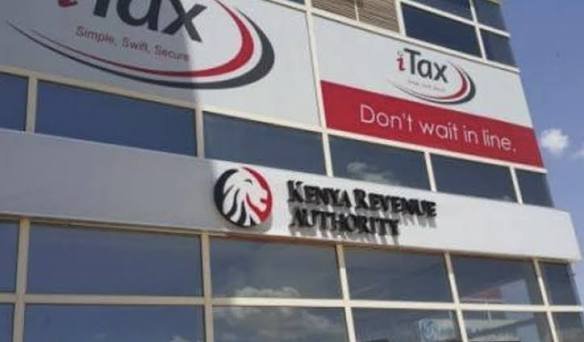
Kenya Revenue Authority Enforces Five-Year Export Declaration Rule for All Importers from September 1 , 2026
Starting September 1, 2026, the Kenya Revenue Authority strictly requires all importers to secure and retain foreign export declarations. Businesses bringing goods into Kenya must keep these customs documents on file for a mandatory five-year period. The new compliance measure stems from the Finance Act 2026 and introduces stricter documentation standards for cross-border trade.
Mandatory Document Requirements
The new policy places the legal burden directly on the Kenyan importer, rather than the foreign supplier. The retained export document must originate directly from the country of export. KRA enforcement teams expect the declaration to display several specific details clearly.
Importers must ensure their documents contain the following information:
Identifying Parties: Full legal names of both the exporter and the Kenyan importer.
Shipment Details: A precise description of the goods, including quantities, origins, and standard tariff classifications.
Financial Value: The exact monetary value declared to customs officials in the exporting nation.
Penalties for Non-Compliance
Missing or incomplete export documentation triggers immediate regulatory action. KRA officials possess the authority to reject the declared transaction value entirely if an importer fails to produce the required records.
Following a rejection, the tax authority applies alternative valuation methods to reassess the customs value. This reassessment typically results in higher duty calculations and additional administrative penalties.
What businesses Should do To Avoid KRA Penalties
To avoid these fines, businesses must update their international supply contracts to obligate sellers to provide these vital documents.
Broader Enforcement Powers
The Finance Act 2026 also grants the revenue authority expanded collection capabilities. KRA officials now hold the power to recover unpaid non-tax fees and levies using the same aggressive enforcement tools they apply to standard tax defaults. Businesses must audit their compliance protocols immediately to align with this stricter regulatory environment.
Citations
- 1.Kenya Revenue Authority
Finish Reading the Full Story and Expert Analysis.
Get the latest legal & regulatory intelligence in Kenya
Wansom is AI and can make mistakes.