
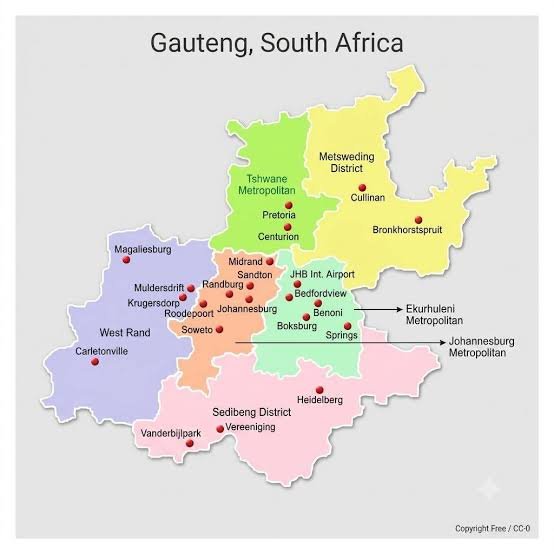
IMPACT OF DIGITAL LICENCING FOR TRANSPORT OPERATIONS IN THE GAUTENG REGION OF SOUTH AFRICA
Introduction
On Tuesday, 6 October 2026, Gauteng Premier Panyaza Lesufi, MEC Kedibone Diale Tlabela and senior officials launched GPTRIS in Tshwane. The department describes it as a platform that will speed up the receipting, processing and issuing of operating licenses. It brings together application workflows, compliance checks, electronic filing, integrated payments and live application tracking.
E-hailing operators are the priority group, following their formal recognition as legal public transport under the National Land Transport Amendment Act and Regulations in 2025. The department says the system will standardize compliance checks, automate workflows, take payments electronically and let applicants track applications in real time, with the aim of meeting the 60-day turnaround for submitted applications.
The launch matters because licensing delay has long been both a business constraint and a source of informal non compliance. The principal risks are a gap between the stated and actual rollout, data protection and cybersecurity exposure, and disputes where automation produces errors or refusals. The opportunities are faster market entry for e-hailing operators, cleaner licensing data and a firmer basis for enforcement. Operators, platforms, fleet financiers, insurers, legal advisers and provincial regulators are all affected.
The launch is partly an administrative story. A province with one of the largest public transport markets in the country has decided to replace a paper heavy, queue driven process with a self-service one. It is also a regulatory story. Operating licenses are the legal gateway for minibus taxis, buses, metered taxis and now e-hailing vehicles, and any change to how they are processed affects who can lawfully operate and when.
Analysis
The 60 day turnaround is the provision that gives GPTRIS its legal weight. The MEC linked the platform to that period and to the handling of over the counter applications. Once a regulator announces that it has built a system to meet a statutory period, a missed deadline becomes harder to explain as a resource problem. Operators with unprocessed applications can now point to the department's own public statements when seeking relief, and counsel should keep those statements on file.
The system also changes the evidence picture. Realtime tracking produces timestamps for receipt, assessment and decision. In any review application, those records will show whether the department acted within time and whether it applied its checks consistently. Applicants benefit from that clarity. The department carries the matching risk, because gaps in its own logs will be visible.
Standardized compliance checks raise a separate point. The department says every application will still be assessed against the applicable legislative and regulatory requirements. Automation can screen for completeness and for objective criteria such as vehicle registration, tax compliance and documentation. Anything involving discretion, including route conflicts and the effect of a new license on existing operators, still needs a human decision-maker. If the system is configured to reject or flag applications on criteria that the legislation does not prescribe, the resulting decisions would be open to challenge as unlawful or procedurally unfair.
For e-hailing, the legal consequences of a licensing channel are practical. A platform that onboards drivers needs to know that those drivers can obtain licenses within a predictable period. Until that is demonstrated, platforms carry contractual and regulatory exposure for operators who work without valid licenses.
Compliance Analysis
Operators should expect compliance checks to become more uniform. Applications that rely on informal practices, such as accepting incomplete supporting documents at the counter, are likely to be rejected or queried by the system. Compliance teams should map each license type to its required documents and prepare a standard application pack.
Electronic payments and electronic filing shift record-keeping obligations. Operators should retain proof of submission, payment confirmations and any system correspondence. Where the platform issues notices through the portal, missed notices could lead to lapsed applications, so someone must be assigned to monitor the account daily.
Regarding data, operators submitting information about drivers or contractors must have a lawful basis for sharing it with the department, and drivers should be informed that their information will be provided to a regulator. Platforms that submit on behalf of drivers act in a role that POPIA scrutinizes closely, and they should document it.
Business & Operational Analysis
The commercial value is in time. For an e-hailing operator, each week of delay is lost revenue or a period of unlicensed operation that attracts enforcement risk. A reliable 60-day period lets operators plan fleet acquisition, driver onboarding and financing around known timelines.
Lenders and insurers benefit from a more verifiable licensing record. Asset financiers can check license validity before extending credit against vehicles used for public transport, and insurers can condition cover on license status. A digital record helps with that, provided it can be accessed in a form that third parties can rely on. The department has not said whether verification tools will be available to financiers.
Existing taxi and bus operators also feel the effect. The department plans to clean up route information. Route records that are found to be inaccurate could lead to conditions being amended or disputes over rights, so operators with historical routes should audit their records now.
Conclusion
GPTRIS is a digital response to a long-running licensing problem, and the department has tied it publicly to a statutory turnaround period and to the formal inclusion of e-hailing. That gives applicants a clearer standard to hold the regulator to, and it gives the regulator better data and a stronger basis for enforcement.
The benefits depend on delivery. The statement describes full functionality in future terms, leaves open how automated checks interact with discretionary decisions and says little about data governance. Operators should therefore prepare their documents and records now, and treat the 60-day period as a legal entitlement to be enforced where necessary. Boards and counsel should track the rollout, and regulators in the region will be watching the results.
Citations
- 1.Gauteng Department of Roads and Transport, media statement on the launch of the Gauteng Public Transport Regulatory Information System (GPTRIS), 6 October 2026.
Finish Reading the Full Story and the Expert Analysis.
Get the latest legal & regulatory intelligence in South Africa
Wansom is AI and can make mistakes.