
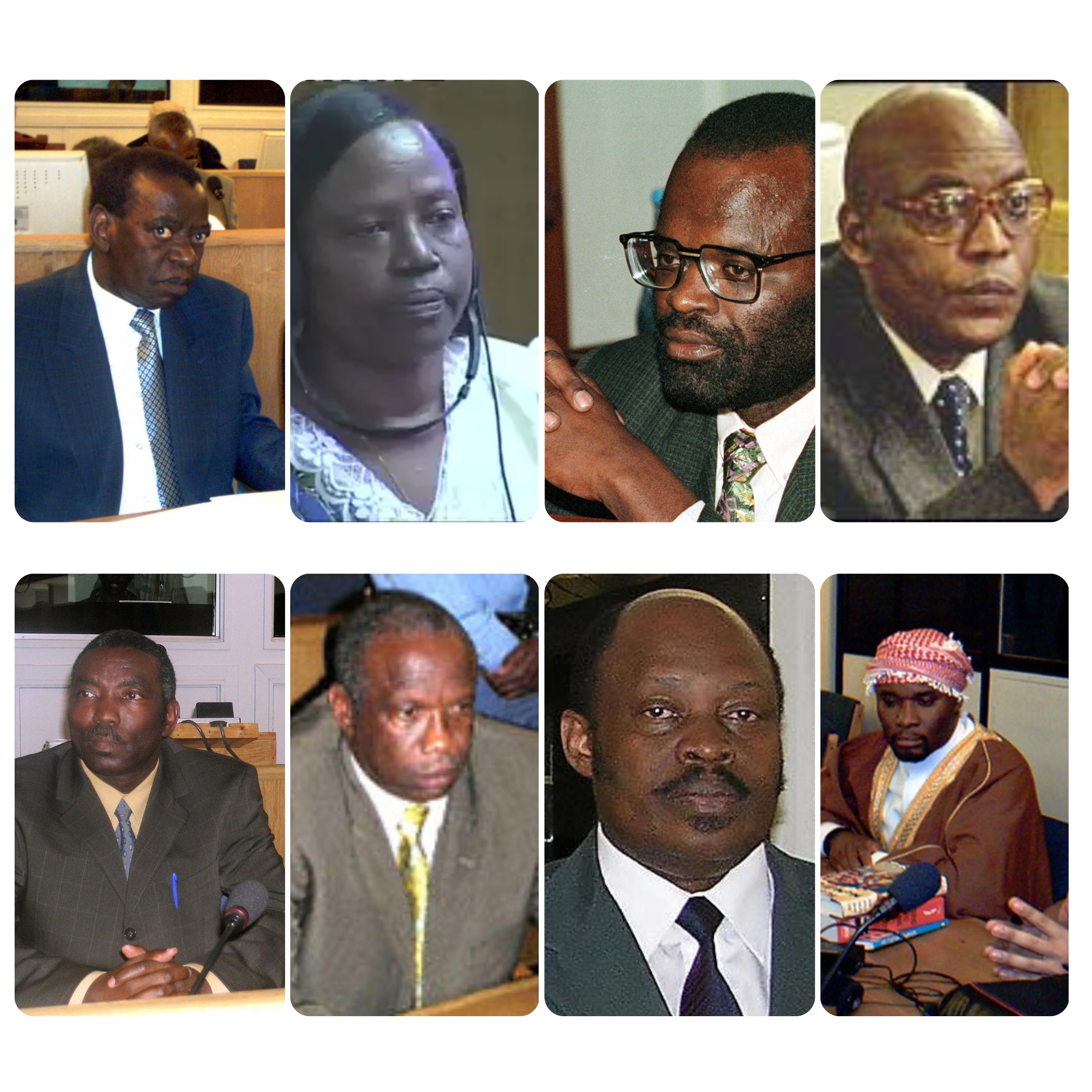
Genocide Deniers Panic as Rwanda Signals Readiness to Receive ICTR/IRMCT Convicts
Abstract
Rwanda has formally expressed its readiness to receive individuals convicted by the International Criminal Tribunal for Rwanda (ICTR) and the International Residual Mechanism for Criminal Tribunals (IRMCT), as the latter's mandate approaches its conclusion. This development is a significant step in the completion strategy of international justice mechanisms for the 1994 Genocide against the Tutsi, aiming to transfer the responsibility for sentence enforcement to the country where the crimes occurred. While Rwanda asserts its correctional system meets international standards, this move has reportedly caused apprehension among genocide deniers and some critics who raise concerns about fair trial guarantees and the application of Rwanda's stringent laws against genocide ideology and denial. The transfer underscores Rwanda's evolving role in post-genocide justice and its commitment to combating revisionism.
Introduction
As the International Residual Mechanism for Criminal Tribunals (IRMCT), the successor to the International Criminal Tribunal for Rwanda (ICTR), steadily advances towards the completion of its mandate, a pivotal development has emerged: Rwanda's formal declaration of its willingness to receive individuals convicted by these international bodies. This readiness marks a crucial phase in the long-standing efforts to ensure accountability for the 1994 Genocide against the Tutsi, signaling a shift in the locus of post-conviction responsibility from international to national jurisdiction.
This move, while lauded by proponents of national ownership in justice processes, has simultaneously triggered considerable disquiet among those identified as genocide deniers and certain critics. Their concerns often revolve around the perceived impartiality of Rwanda's justice system and the application of its robust domestic laws pertaining to genocide ideology and denial. The article will explore the legal underpinnings of these transfers, Rwanda's demonstrated capacity to manage such convicts, and the contentious intersection with the country's legal framework against genocide denial, which has been a point of international scrutiny.
Background
The International Criminal Tribunal for Rwanda was established in 1994 by the UN Security Council to prosecute persons responsible for genocide and other serious violations of international humanitarian law committed in Rwanda. Its mandate, being temporary, necessitated a completion strategy, which included the transfer of cases to national jurisdictions. The IRMCT was subsequently established in 2010 by Security Council Resolution 1966 to carry out the residual functions of both the ICTR and the International Criminal Tribunal for the former Yugoslavia (ICTY), including the supervision of sentence enforcement and the management of archives.
Rwanda has long sought to play a more direct role in the post-conviction phase of genocide justice. In 2008, Rwanda and the United Nations signed an agreement on the enforcement of ICTR sentences, making Rwanda one of several countries designated to receive convicted persons. This was predicated on Rwanda's significant progress in reforming its correctional system to meet international standards, a fact acknowledged by international partners and observers. The ICTR's Rules of Procedure and Evidence, specifically Rule 11bis, allow for the transfer of accused persons to domestic courts, provided certain fair trial requirements are met. While initial requests for transfers to Rwanda were often denied, the *Uwinkindi* decision marked a significant turning point, being the first successful transfer of a high-level genocide-era official to be tried in Rwanda.
Analysis
The current willingness of Rwanda to receive ICTR/IRMCT convicts, including those currently serving sentences in countries like Benin and Senegal, and even acquitted or released individuals in Niger, is a direct consequence of the IRMCT's winding down. This initiative aligns with the principle of transferring responsibility to the state where the crimes were committed, thereby reducing the logistical and financial burden on the international community. Rwanda's correctional facilities are asserted to be modern and compliant with international standards, ensuring security, humane treatment, and access to rehabilitation programs.
However, the prospect of these transfers has reignited debates surrounding Rwanda's domestic legal framework, particularly its laws on genocide denial and ideology. Rwanda's Constitution and subsequent legislation criminalize "genocide ideology," "negationism," and "minimization" of the genocide, with penalties including imprisonment. While ostensibly aimed at preventing a recurrence of the 1994 atrocities, these laws have faced criticism from human rights organizations and scholars for their broad and sometimes vague definitions, which some argue can be used to stifle free expression and target critics of the government's official narrative of the genocide.
The "panic" among genocide deniers, as highlighted in the source, stems from the perceived tightening of the legal net. Individuals who dispute aspects of the genocide, such as the death toll or the responsibility for certain events, risk being accused of genocide denial under Rwandan law. The transfer of convicts to Rwanda could place them under a domestic legal system where such interpretations are strictly enforced, potentially impacting their rights to appeal or seek review of their cases within a different legal context. The concern is that the Rwandan government's narrative, which focuses exclusively on the genocide against the Tutsi, may lead to a selective application of justice, silencing dissent and potentially overlooking other alleged crimes.
International law requires that any transfer of a convicted person to a national jurisdiction must ensure that the conditions of imprisonment are compatible with international human rights standards, such as the Standard Minimum Rules for the Treatment of Prisoners. Furthermore, the receiving state must guarantee a fair trial and the protection of witnesses. While Rwanda has made significant strides in judicial reform, some critics maintain that effective measures to ensure fair trials and prevent cruel, inhuman, or degrading treatment for all transferred individuals still need to be unequivocally demonstrated. The ongoing supervision by the IRMCT over sentence enforcement, even after transfers, is therefore crucial to upholding international justice standards.
Conclusion
Rwanda's expressed readiness to receive ICTR/IRMCT convicts represents a significant milestone in the global effort to achieve justice for the 1994 Genocide against the Tutsi. It underscores the principle of national responsibility in the aftermath of international crimes and reflects the country's substantial progress in developing its justice and correctional infrastructure. For practitioners, this development highlights the increasing importance of understanding the interplay between international criminal law and domestic legal frameworks, particularly in post-conflict societies.
However, the transfer also brings to the fore persistent concerns regarding the application of Rwanda's genocide denial laws and their potential impact on due process and freedom of expression. Legal professionals involved in international criminal justice, human rights advocacy, or those advising individuals connected to these cases must closely monitor the practical implementation of these transfers. Continued vigilance will be necessary to ensure that the enforcement of sentences and any subsequent legal processes adhere strictly to international human rights standards, safeguarding the rights of all individuals while upholding the imperative of accountability for genocide.
Citations
- 1.Security Council Resolution 1966 (2010)
- 2.ICTR Rules of Procedure and Evidence, Rule 11bis
- 3.Agreement between the Government of Rwanda and the United Nations on the Enforcement of Sentences of the International Criminal Tribunal for Rwanda (March 4, 2008)
- 4.Constitution of Rwanda (2003)
- 5.Law N°18/2008 of July 23, 2008, relating to the punishment of the crime of genocide ideology
- 6.Rwanda Penal Code, Article 135 (as cited in various sources regarding genocide ideology)
- 7.Prosecutor v. Uwinkindi, Case No. ICTR-01-75-R11bis, Decision on Referral to Rwanda, Trial Chamber I, 16 December 2011
How does this affect your business?
Get an AI analysis of this article grounded in your jurisdictions, practice areas, and any policy documents you've uploaded to Wansom.
Wansom is AI and can make mistakes.