
EPPO Poland: 6 Detained in €900K Flood Compensation Fraud Probe
Summary
- Six individuals were detained in Poland on August 26, 2026, as part of an EPPO investigation into alleged flood compensation fraud.
- The probe concerns €900,000 in loans paid by the Karkonoska Regional Development Agency S.A. for flood losses that the EPPO alleges never occurred at the companies' premises.
- Suspects, including company representatives and a former KARR official, face charges of subsidy fraud and using false statements to obtain loans.
- Three suspects were placed in pre-trial detention following a request by the European Delegated Prosecutor to the Katowice-East District Court.
- The European Public Prosecutor's Office opened the investigation in August 2026, based on a report from Poland's Central Anti-Corruption Bureau.
Allegations of Widespread Flood Compensation Fraud
This EPPO Poland flood compensation fraud case signals a heightened enforcement posture by the European Public Prosecutor's Office, indicating that entities managing or receiving EU subsidies must adhere to stringent compliance standards.
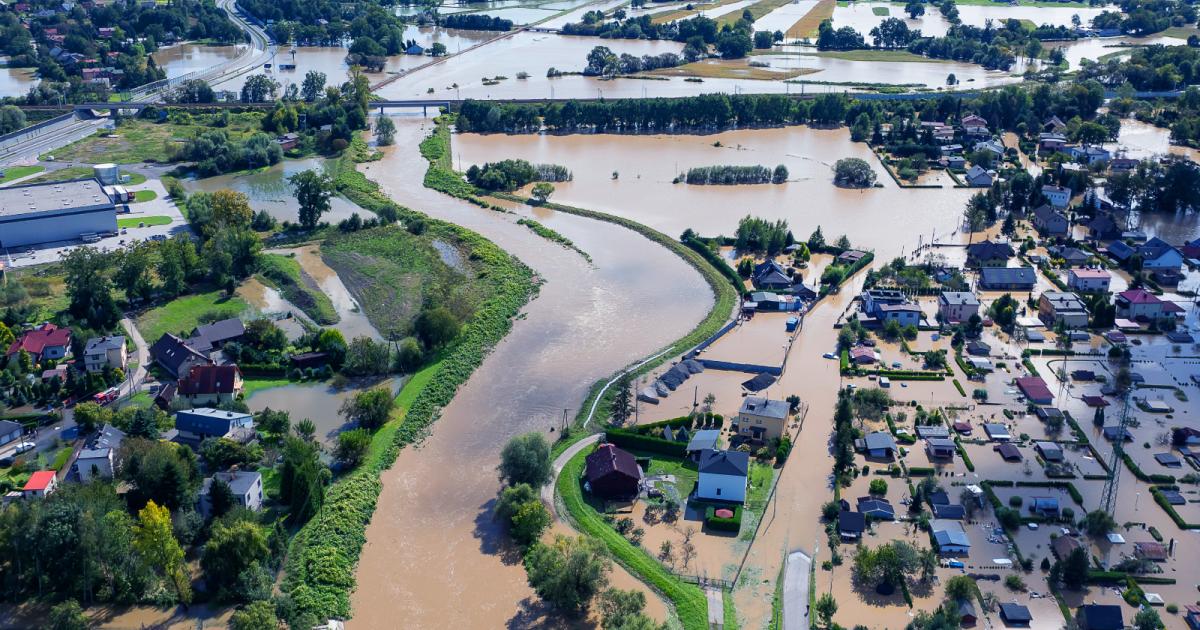
On August 26, 2026, six individuals were detained in Poland following a request by the European Public Prosecutor's Office (EPPO) in Katowice. This action forms part of a significant investigation into alleged EPPO Poland flood compensation fraud, specifically targeting approximately €900,000 in payouts. The probe centers on claims made by representatives of three companies for supposed losses incurred during severe floods that impacted south-western Poland in September 2024. Between December 2024 and November 2025, these companies submitted applications for compensation, supported by documentation purportedly certifying the damage. However, EPPO findings suggest these claims may have been entirely fraudulent, as evidence indicates the floods never actually reached the premises of the companies in question.
Despite these discrepancies, the Karkonoska Regional Development Agency S.A. (KARR), an entity responsible for managing EU-funded programs and providing crucial support to small and medium-sized enterprises and entrepreneurs, proceeded to disburse at least €900,000, equivalent to PLN 4,500,000. These payments were issued in the form of loans, drawing from both national and European Union funds. The alleged Karkonoska Regional Development Agency fraud highlights a potential systemic vulnerability in the distribution of aid intended for disaster relief and economic development.
Investigation and Charges
The six individuals apprehended in connection with the Katowice flood compensation investigation include representatives from the three companies under scrutiny, as well as a former senior official from the Karkonoska Regional Development Agency. All have been formally charged with subsidy fraud and with employing false statements to secure the aforementioned loans. In a coordinated effort to gather evidence, search operations were conducted at multiple locations. These included the residences of the suspects, the headquarters of the implicated companies, and the home of an expert who had provided an estimation of the damages allegedly suffered by the companies. During these searches, investigators seized various critical items, including documents and IT devices, which are expected to provide further insights into the alleged scheme.
Following interviews with the suspects, the European Delegated Prosecutor overseeing the case requested the Katowice-East District Court (Sąd Rejonowy Katowice–Wschód w Katowicach) to place three of the individuals in pre-trial detention. These three were all representatives of the companies involved in the investigation. The court granted this request, while the remaining three suspects were released under police supervision, subject to the provision of a financial guarantee. This comprehensive investigation, which the EPPO initiated in August 2026, was prompted by a report from the Central Anti-Corruption Bureau (CBA) in Wrocław, an agency also actively involved in executing the investigative measures.
Legal Context and EPPO's Role
This case underscores the critical role of the European Public Prosecutor's Office (EPPO) as the European Union's independent public prosecution body. Established to protect the financial interests of the EU, the EPPO is specifically mandated to investigate, prosecute, and bring to judgment crimes that affect these interests. The alleged Poland EU funds subsidy fraud falls squarely within its jurisdiction, demonstrating its commitment to combating financial irregularities across member states. While the investigation proceeds, it is crucial to remember that all individuals involved are presumed innocent until their guilt is proven before the competent Polish courts, in accordance with established legal principles. The EPPO's involvement signifies a direct European oversight into the management and distribution of EU funds within Poland.
Broader Implications for EU Fund Management
The ongoing Katowice flood compensation investigation, targeting an alleged €900,000 EU fraud Poland, carries significant implications beyond the immediate arrests. It serves as a stark reminder of the persistent threat of fraud against European Union financial interests, particularly within the context of disaster relief and regional development programs. The alleged scheme, involving false claims for flood damage that never occurred, highlights the need for robust verification processes for EU-funded compensation schemes in Poland. This EPPO Poland flood compensation fraud case signals a heightened enforcement posture by the European Public Prosecutor's Office, indicating that entities managing or receiving EU subsidies must adhere to stringent compliance standards. The involvement of both national and EU funds, channeled through a regional development agency, emphasizes the complex web of financial flows that the EPPO is now actively scrutinizing to safeguard taxpayer money.
Practical Implications
This case signals heightened enforcement by the EPPO against fraud targeting EU financial interests, particularly concerning EU-funded compensation schemes in Poland. Lawyers and compliance officers advising companies receiving EU subsidies should review their due diligence processes for application accuracy and documentation to mitigate exposure to similar investigations.
Source
How does this affect you?
Get an AI analysis of this article grounded in your jurisdictions, practice areas, and any policy documents you've uploaded to Wansom.
Finish this article free. Just your email for instant unlock.
Wansom is AI and can make mistakes.