
EPPO: Nimmersatt Hazardous Salvage Vehicles Charges Nine in €90M Fraud
Summary
- The European Public Prosecutor's Office has indicted nine individuals in the "Nimmersatt" investigation for a large-scale criminal scheme.
- Suspects are accused of importing hazardous salvage vehicles from the US, cosmetically repairing them, and reselling them while evading over €90 million in customs duties and VAT.
- The alleged enterprise posed a significant safety risk to European consumers who unknowingly purchased these unsafe vehicles.
- German courts have issued asset-freezing orders totaling over €33 million, with approximately €2 million successfully frozen to date.
- If convicted, the defendants face potential prison sentences of up to 15 years, depending on their individual culpability and charges.
EPPO Files Indictment in Hazardous Salvage Vehicle Scheme
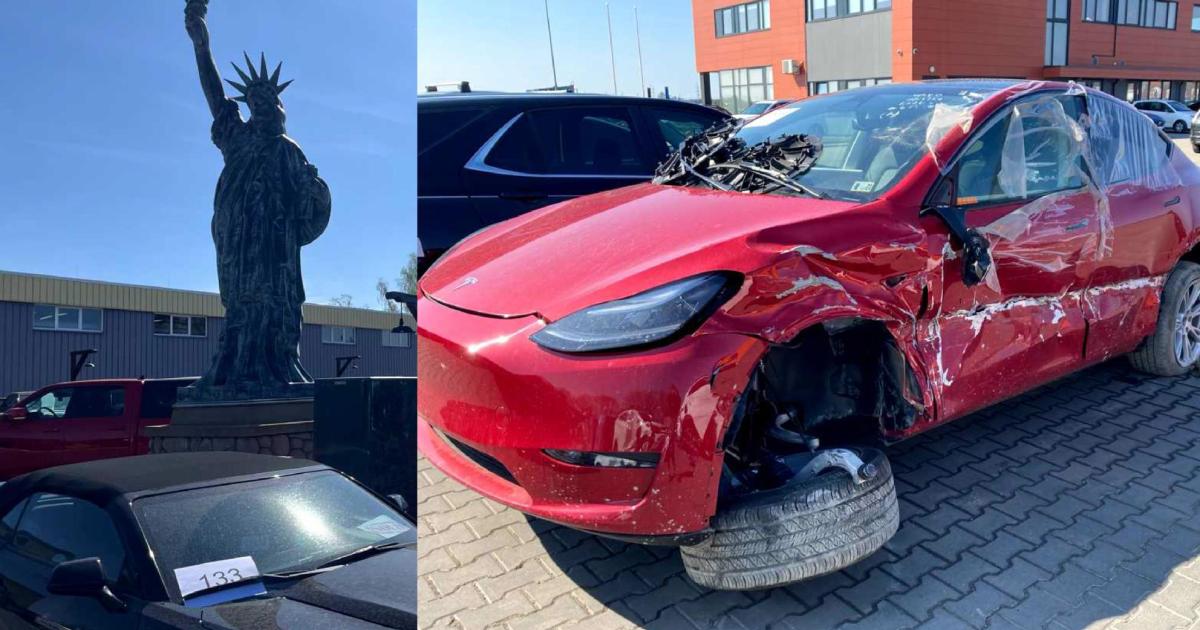
The alleged scheme not only defrauded EU finances but also endangered European consumers, who unknowingly purchased these hazardous, superficially repaired cars.
The European Public Prosecutor's Office (EPPO) in Berlin, Germany, has formally charged nine individuals following an extensive investigation dubbed "Nimmersatt," which translates to 'Insatiable.' The charges, filed at the Regional Court in Dresden (Landgericht Dresden) on a recent Friday, center on a sophisticated criminal enterprise involved in the large-scale importation of damaged vehicles from the United States into the European Union. These vehicles were then cosmetically repaired and resold, all while systematically evading significant customs duties and value-added tax (VAT).
This marks the second indictment stemming from the "Nimmersatt" inquiry, focusing on the EPPO Nimmersatt hazardous salvage vehicles charges. The alleged scheme not only defrauded EU finances but also endangered European consumers, who unknowingly purchased these hazardous, superficially repaired cars. The financial impact of the alleged fraud is substantial, with evaded taxes and duties exceeding €90 million. This sum includes €15.1 million in import customs duties, €49.6 million in import VAT, and an additional €25.3 million in non-import VAT. Furthermore, the suspects are accused of attempting to evade an additional €15 million in customs duties and VAT.
Among the nine defendants, one is identified as the alleged ringleader of the operation, responsible for orchestrating the vehicle imports and has been held in pre-trial detention since April 2025. Another key figure was tasked with selecting the vehicles for import, overseeing their repair, and subsequent resale. The remaining seven defendants are car dealers operating shops across Germany, implicated for selling these refurbished vehicles to end customers, thereby participating in the criminal organization and facilitating the widespread VAT fraud.
Unraveling a Vast Criminal Network
The investigation, which initially uncovered this extensive criminal network in April 2025, revealed a sophisticated EU US salvage car smuggling operation. Badly damaged cars were brought into the EU from the United States, subjected to superficial repairs, and then sold to unsuspecting consumers at high prices, all while circumventing customs duties and engaging in large-scale VAT fraud. The inherent danger of these vehicles, which posed serious safety risks to buyers, was a critical aspect of the illicit trade.
The EPPO's efforts led to an initial series of searches and arrests in April 2025, targeting the primary ringleaders and company directors involved in the scheme. Subsequent arrests were carried out in Lithuania in February 2026, indicating the broad geographical reach of the network.
In parallel with the arrests, German courts, acting on requests from the EPPO, issued asset-freezing orders totaling more than €33 million. To date, approximately €2 million in assets have been successfully frozen across several countries, underscoring the financial scale of the EPPO customs VAT fraud scheme. The ongoing investigation continues to pursue other individuals implicated in this complex criminal enterprise.
Legal Context and Jurisdiction
The current indictment at the Landgericht Dresden follows a previous attempt to prosecute three of the accused at the Regional Court in Berlin, which ultimately declined the case due to a lack of territorial jurisdiction. The Dresden court is now deemed to possess the appropriate jurisdiction over all nine suspects, consolidating the legal proceedings for the entire group involved in the Landgericht Dresden Nimmersatt case.
This case falls squarely within the mandate of the EPPO, which functions as the independent public prosecution office for the European Union. Its core responsibility is to investigate, prosecute, and bring to judgment crimes that adversely affect the financial interests of the EU, making this EU financial interests crime a priority.
If convicted, the defendants face severe penalties, with potential prison sentences extending up to 15 years. The precise duration of any sentence would depend on the specific charges, the individual culpability of each defendant, and any prior convictions they may have. It is important to note that all individuals involved are presumed innocent until their guilt is established in competent German courts of law.
Protecting EU Interests and Consumers
The European Public Prosecutor's Office indictment against the Nimmersatt suspects underscores the EPPO's commitment to combating cross-border financial crime and safeguarding both the EU's budget and its citizens. The dual nature of this scheme—involving massive tax and customs fraud alongside the deliberate sale of unsafe vehicles—highlights the multifaceted threats posed by organized criminal networks.
This aggressive enforcement action by the EPPO serves as a clear signal regarding the serious consequences for those who attempt to exploit international trade for illicit gains. The ongoing nature of the investigation further demonstrates the EPPO's dedication to dismantling such networks and ensuring accountability for crimes against the EU's financial integrity.
Practical Implications
This case highlights the EPPO's aggressive enforcement against large-scale customs and VAT fraud, particularly in cross-border trade of goods like vehicles. Legal and compliance teams in import/export and automotive sectors should review their due diligence processes to prevent involvement in similar schemes and ensure robust financial crime controls.
Source
How does this affect you?
Get an AI analysis of this article grounded in your jurisdictions, practice areas, and any policy documents you've uploaded to Wansom.
Finish Reading the Full Story and the Expert Analysis.
Get the latest legal & regulatory intelligence in European Union
Wansom is AI and can make mistakes.