
Delhi High Court Bar Association decides to call off strike after talks with Law Minister, Chief Justice
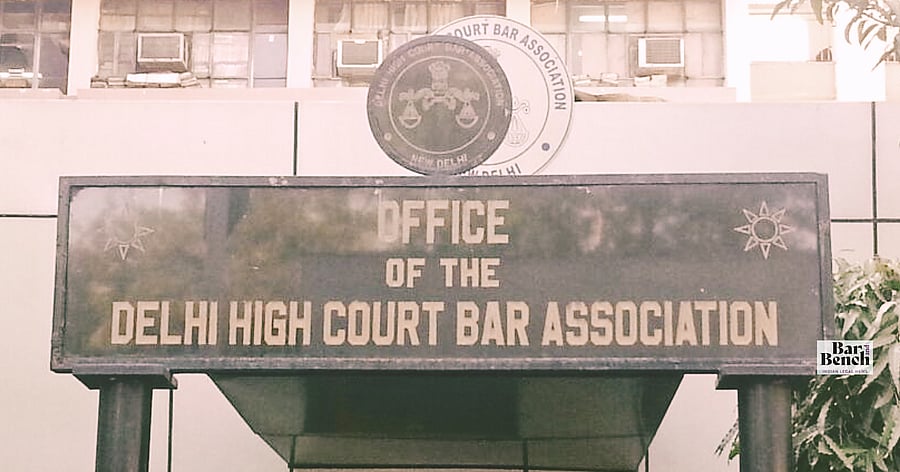
Abstract
The Delhi High Court Bar Association (DHCBA) has decided to suspend its strike over the pecuniary jurisdiction issue, following a meeting with Union Law Minister Arjun Ram Meghwal and an assurance from Delhi High Court Chief Justice Devendra Kumar Upadhyaya that the bar's concerns would be considered. The DHCBA had been abstaining from work since July 14 to oppose the proposed increase in the pecuniary jurisdiction of Delhi's district courts, which they believe would substantially reduce the number of civil and commercial cases heard by the High Court. Despite this development, the bar body has clarified that its opposition to the proposed move will continue.
Introduction
The decision by the Delhi High Court Bar Association (DHCBA) to suspend its strike over the pecuniary jurisdiction issue marks a significant development in the ongoing dispute between the bar and the government. The strike, which began on July 14, was aimed at opposing the proposed increase in the pecuniary jurisdiction of Delhi's district courts from ₹2 crore to ₹10 crore. The DHCBA has raised concerns that this enhancement would substantially reduce the number of civil and commercial cases heard by the High Court, potentially impacting the administration of justice in the region.
Background
The pecuniary jurisdiction issue has been a contentious one in India's legal landscape for some time. The proposal to increase the pecuniary jurisdiction of Delhi's district courts from ₹2 crore to ₹10 crore was first introduced by the government, with the aim of streamlining the judicial process and reducing the burden on the High Court. However, the DHCBA has expressed concerns that this enhancement would have far-reaching consequences for the administration of justice in the region.
Analysis
Furthermore, the decision by the DHCBA to suspend its strike raises questions about the effectiveness of industrial action as a means of resolving disputes between the bar and the government. While the strike may have brought attention to the issue, it is unclear whether it has achieved any tangible results in terms of addressing the concerns of the DHCBA.
Conclusion
The decision by the Delhi High Court Bar Association (DHCBA) to suspend its strike over the pecuniary jurisdiction issue marks a significant development in the ongoing dispute between the bar and the government. While the bar body has clarified that its opposition to the proposed move will continue, it appears that the government has made some concessions to address the concerns of the DHCBA. Practitioners should remain vigilant and continue to monitor developments in this matter, as the long-term implications of this decision are far from clear.
How does this affect your business?
Get an AI analysis of this article grounded in your jurisdictions, practice areas, and any policy documents you've uploaded to Wansom.