
Delhi HC rejects plea to deport alleged illegal immigrants from Shaheen Bagh
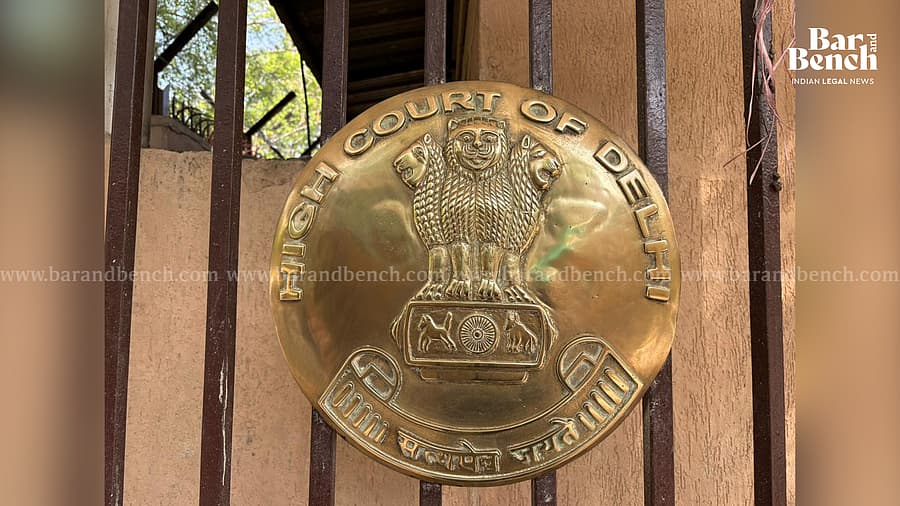
Summary
- The Delhi High Court rejected a petition seeking to deport alleged illegal immigrants from areas near the Yamun River, including Shaheen Bagh.
- The court found that the petitioner, MA Burney, had failed to provide concrete evidence or identifying details of the alleged illegal immigrants.
- Burney has a long history of criminal cases registered against him and has filed six previous petitions that were dismissed for lack of substance.
- The court's decision sets an important precedent against issuing blanket directions for deportation based on vague allegations.
A Pattern of Vague Allegations
In light of the aforenoted, this Court is of the opinion that no omnibus direction can be issued requiring the respondents to identify and deport alleged illegal migrants on the basis of vague and unsubstantiated allegations...
The Delhi High Court has dealt a significant blow to efforts to deport alleged illegal immigrants from areas near the Yamun River, including Shaheen Bagh. The court's decision was made in response to a petition filed by MA Burney, who claimed that these individuals were involved in crimes and should be deported. However, a closer examination of Burney's past reveals a pattern of filing petitions that are ultimately dismissed for lack of substance. In fact, the court noted that Burney has a long history of criminal cases registered against him, which raises questions about his credibility as a petitioner.
The court was particularly critical of Burney's failure to provide any concrete evidence or identifying details of the alleged illegal immigrants. This lack of specificity made it impossible for authorities to verify his claims, and the court ultimately concluded that no omnibus direction could be issued to deport these individuals based on vague and unsubstantiated allegations.
A Precedent Against Blanket Directions
The Delhi High Court's decision sets an important precedent for future cases involving alleged illegal immigrants. By rejecting the petition, the court has made it clear that blanket directions for deportation are not permissible under the law. This ruling is significant because it limits the ability of individuals or groups to use this tactic in future cases. In essence, the court has established a higher bar for those seeking to deport alleged illegal immigrants, requiring more concrete evidence and specificity before any action can be taken.
The court's reasoning was based on the principle that writ jurisdiction does not permit fishing and roving enquiries. This means that authorities cannot simply issue blanket directions without conducting a thorough investigation or gathering sufficient evidence. The court's decision is a welcome development for those who value due process and the rule of law.
A Cautionary Tale for Lawyers
The Delhi High Court's decision should serve as a cautionary tale for lawyers considering similar petitions in the future. The court's rejection of Burney's petition was not solely based on the merits of his case, but also on the petitioner's own history and credibility. This highlights the importance of carefully evaluating the evidence and arguments presented before filing a petition. Lawyers should be aware that the court will closely scrutinize the claims made by petitioners and may reject cases that lack substance or are based on vague allegations.
In this case, the court noted that Burney had filed six previous petitions that were dismissed for lack of substance. This history of failed petitions raises questions about his credibility as a petitioner and suggests that he may be motivated by other factors rather than a genuine concern for public safety.
Practical Implications
Lawyers should be aware that the Delhi High Court has set a precedent against issuing blanket directions for deporting alleged illegal immigrants, making it harder to use this tactic in future cases.
Source
Source: Original reporting via [Source]
How does this affect your business?
Get an AI analysis of this article grounded in your jurisdictions, practice areas, and any policy documents you've uploaded to Wansom.