
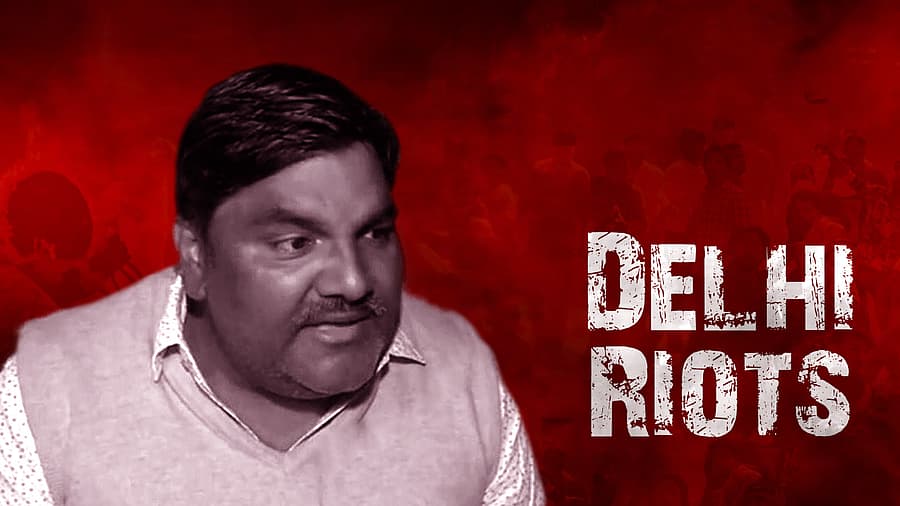
Delhi Court Hands Life Imprisonment to Tahir Hussain for Ankit Sharma Murder
Summary
- A Delhi court sentenced five individuals to life imprisonment for their roles in the murder of Intelligence Bureau officer Ankit Sharma during the 2020 Delhi Riots.
- The sentencing was delivered by Additional Sessions Judge Praveen Singh, who rejected the prosecution's plea for a death penalty.
- The case sets a precedent for sentencing in communal violence crimes, with the court invoking the rarest of rare cases doctrine to justify life imprisonment.
What Happened
A Delhi court has handed down life imprisonment sentences to five individuals, including former Aam Aadmi Party councillor Tahir Hussain, for their roles in the murder of Intelligence Bureau officer Ankit Sharma during the 2020 Delhi Riots. The sentencing was delivered by Additional Sessions Judge Praveen Singh of the Karkardooma Court on Friday. The court rejected the prosecution's plea for a death penalty, instead opting for life imprisonment due to the possibility of rehabilitation for the convicts.
The crime was committed in the midst of communal riots, with Sharma being sucked into a murderous mob and subsequently killed. The body was then treated with further brutality, with the perpetrators strapping it like an animal and throwing it into a drain. This level of savagery has been described by the court as 'nauseating and sickening'.
Legal Context
The sentencing marks a significant development in the legal proceedings surrounding the Delhi Riots, with the court's decision setting a precedent for future cases involving communal violence. The rarest of rare cases doctrine was invoked by the court to justify the life imprisonment sentences, citing the aggravating circumstances of the crime. However, the prosecution's plea for a death penalty was rejected due to the lack of evidence showing that the convicts had a violent disposition or prior involvement in violent crimes.
The case highlights the complexities of prosecuting communal violence cases in India, where the burden of proof often lies with the prosecution. The court's decision will likely be scrutinized by lawyers and compliance officers for its implications on future cases involving similar circumstances.
Why It Matters
The sentencing of Tahir Hussain and four other convicts to life imprisonment has significant implications for the legal landscape in India. The case sets a precedent for sentencing in communal violence crimes, with the court's decision potentially influencing future cases involving similar circumstances. Lawyers and compliance officers should take note of this development, as it may have far-reaching consequences for their clients and organizations.
The case also raises questions about the effectiveness of the Indian legal system in prosecuting communal violence cases. The rejection of the prosecution's plea for a death penalty has sparked debate about the appropriate punishment for such crimes, with some arguing that life imprisonment is insufficient given the gravity of the offense.
Practical Implications
Lawyers and compliance officers should watch for the implications of this sentence on future cases involving communal violence, as it sets a precedent for sentencing in such crimes.
Source
How does this affect your business?
Get an AI analysis of this article grounded in your jurisdictions, practice areas, and any policy documents you've uploaded to Wansom.
Wansom is AI and can make mistakes.