
Creatives Garage to host conversation on AI’s impact on African culture, creativity
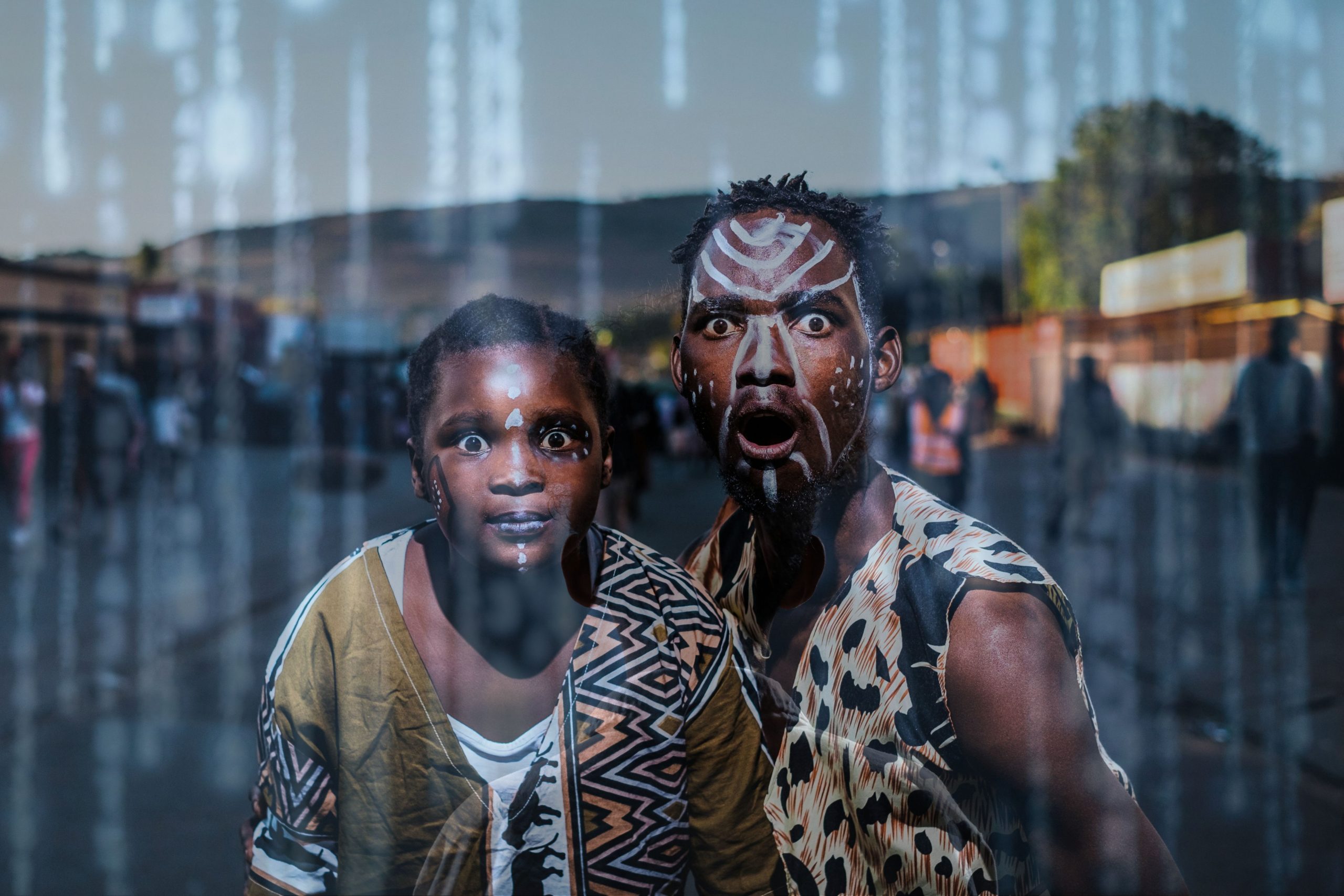
Abstract
The increasing integration of Artificial Intelligence (AI) into Africa's creative sector, as highlighted by a recent Nairobi forum hosted by Creatives Garage, presents a complex legal landscape for intellectual property (IP) and cultural heritage in Kenya. Existing legal frameworks, primarily the Copyright Act, Cap 130, and the Protection of Traditional Knowledge and Cultural Expressions Act, No. 33 of 2016, were not designed with autonomous AI generation in mind. This article explores the challenges of copyright ownership for AI-generated works, the implications for traditional cultural expressions, and the urgent need for legislative reform to ensure fair attribution, compensation, and protection for African creatives and communities in the evolving digital economy. It underscores the critical role of legal practitioners in navigating these uncharted waters and advocating for a robust, AI-responsive IP regime.
Introduction
The burgeoning influence of Artificial Intelligence (AI) on global creative industries has sparked considerable debate, and Africa is no exception. A recent announcement by KBC Kenya regarding a forum hosted by Creatives Garage in Nairobi, dedicated to examining AI's impact on African culture, creativity, and artistic ownership, underscores the immediacy and significance of these discussions. As AI tools become increasingly sophisticated, capable of generating music, art, and literary works, fundamental questions arise concerning authorship, ownership, and the preservation of unique cultural heritage. This forum serves as a crucial platform for stakeholders to grapple with the profound implications of this technology for African creatives and legal professionals alike.
For legal practitioners in Kenya, the advent of AI necessitates a critical re-evaluation of established intellectual property (IP) doctrines and cultural heritage protection mechanisms. The current legal framework, largely predicated on human ingenuity and authorship, faces unprecedented strain when confronted with works created, or significantly assisted, by algorithms. This article will delve into the existing Kenyan legal landscape, identify key areas of tension and ambiguity concerning AI-generated content and traditional cultural expressions, and propose pathways for legal adaptation. The central thesis is that while AI offers transformative opportunities for African creativity, its responsible integration demands a proactive and comprehensive overhaul of IP laws and policies to safeguard the rights of creators and communities.
Background
Kenya's intellectual property regime is primarily anchored in several key statutes. The Copyright Act, Cap 130 of the Laws of Kenya, is the foundational legislation governing copyright protection, establishing the Kenya Copyright Board (KECOBO) to administer and enforce its provisions. It grants exclusive rights to authors of original literary, musical, artistic, and audio-visual works, among others, provided sufficient effort has been expended to give them an original character and they are reduced to a material form. Similarly, the Industrial Property Act, Cap 509, administered by the Kenya Industrial Property Institute (KIPI), provides for the protection of patents, utility models, and industrial designs, focusing on technical inventions and aesthetic product features.
Beyond conventional IP, Kenya has taken significant steps to protect its rich cultural heritage. The Protection of Traditional Knowledge and Cultural Expressions Act, No. 33 of 2016, enacted to give effect to constitutional provisions, establishes a sui generis framework for the protection and promotion of traditional knowledge (TK) and traditional cultural expressions (TCEs). This Act aims to empower communities to control the use of their culturally significant and economically valuable knowledge and expressions, ensuring they receive royalties for their use. Complementing this is the National Museums and Heritage Act, Cap 216, which provides for the identification, protection, conservation, and transmission of Kenya's cultural and natural heritage. Historically, these laws were crafted with the implicit assumption of human authorship and inventorship, a premise now fundamentally challenged by the rise of AI.
Analysis
The intersection of AI and intellectual property law in Kenya presents a myriad of complex questions, particularly concerning authorship and ownership. Under the Copyright Act, Cap 130, the definition of an "author" in relation to literary, musical, dramatic, or artistic works refers to "the person who first makes or creates the work." For computer-generated works, the Act defines the author as "the person by whom the arrangements necessary for the creation of the work were undertaken." This anthropocentric view of authorship means that purely AI-generated works, lacking direct human intervention, are not automatically copyrightable in Kenya, mirroring global trends. The Kenya Copyright Tribunal, in the landmark decision of *Aryeh Movement Limited v. Cynthia Beldina Akoth Okello* (COPTA/E001/2025), affirmed that AI systems cannot be considered authors under Kenyan copyright law, which requires authorship by a natural or legal person, and that human creative input and originality are essential for protection under Section 22(3) of the Act.
This distinction is crucial: works where AI acts as a tool, with significant human input in prompting, editing, or curation, may still qualify for copyright protection, with the human user being recognized as the author. However, for works generated autonomously by AI, a clear legislative gap exists, leaving such creations in a legal grey area. This ambiguity extends to the originality requirement, where the "sufficient effort" standard under Section 22(3) of the Copyright Act needs clearer interpretation in the context of AI-assisted creativity.
Furthermore, the use of existing copyrighted works to train AI models raises significant concerns about copyright infringement. The current fair dealing provisions in Kenya's Copyright Act are not explicitly tailored to address the commercial-scale data scraping often involved in AI training, leading to uncertainty regarding legitimate uses of copyrighted material. The Act also provides limited clarity on the attribution and responsibility for infringement when AI tools generate infringing material, posing challenges for rights holders seeking redress. This highlights a critical need for strengthened infringement provisions to address unauthorized use of copyrighted works in AI training datasets, informed by global litigation trends.
The impact on traditional cultural expressions (TCEs) is equally profound. While AI offers potential for digitizing and preserving TCEs, as demonstrated by WIPO's pilot project with the Maasai community, there is a significant risk of misappropriation and exploitation. The Protection of Traditional Knowledge and Cultural Expressions Act, 2016, aims to prevent such unauthorized use and ensure benefit-sharing. However, the Act faces challenges in operationalization, particularly concerning the broad definition of "community" and the complexities of obtaining prior informed consent for AI-driven uses. AI's ability to mimic styles or generate derivative works could bypass existing protections, necessitating a re-evaluation of how sui generis rights for TCEs can be effectively enforced against algorithmic appropriation. Moreover, the moral rights of authors, protected under Section 32(2) of the Copyright Act, which are non-transmissible and safeguard an author's right to paternity and integrity, could be undermined if AI systems distort or misrepresent works or styles without proper attribution or respect.
The current legal framework in Kenya is widely acknowledged to be lagging behind the rapid advancements in AI. There are strong calls for amending the Copyright Act to introduce explicit provisions addressing AI-generated works, including clear human authorship requirements, ownership standards, and originality thresholds. The Kenya Copyright Board (KECOBO) is encouraged to establish AI-creativity guidelines that differentiate between AI-assisted and purely AI-generated works. Kenya's National AI Strategy 2025-2030, launched in early 2025, provides a framework for harnessing AI's potential, but aligning IP frameworks with these governance principles remains an urgent task. International bodies like WIPO are actively engaging with African startups and policymakers, emphasizing that IP is a "missing link" in capturing the value of African innovation in the AI era.
Conclusion
The rise of Artificial Intelligence presents both an unparalleled opportunity and a significant legal quandary for Kenya's creative and cultural sectors. While AI tools can unlock new avenues for artistic expression and cultural preservation, the existing intellectual property and heritage protection laws are ill-equipped to address the complexities of AI-generated content and its potential for misappropriation. The ongoing discussions, such as those initiated by Creatives Garage, are vital for fostering a shared understanding of these challenges and charting a path forward.
For legal practitioners, this evolving landscape demands proactive engagement. Attorneys must advise clients on the nuances of copyright ownership for AI-assisted works, emphasizing the importance of demonstrable human creative input and clear contractual agreements. Due diligence regarding the provenance of AI training data and the potential for infringement is paramount. Furthermore, practitioners should closely monitor legislative developments, including potential amendments to the Copyright Act and the formulation of AI-specific guidelines by KECOBO, as Kenya strives to align its legal framework with its National AI Strategy. Advocating for a balanced, clear, and enforceable legal regime that protects human creativity and traditional cultural expressions while fostering innovation is not merely a legal imperative but a cultural and economic necessity for Kenya to thrive in the AI-driven future.
Citations
- 1.Copyright Act, Cap 130, Laws of Kenya
- 2.Industrial Property Act, Cap 509, Laws of Kenya
- 3.Protection of Traditional Knowledge and Cultural Expressions Act, No. 33 of 2016
- 4.National Museums and Heritage Act, Cap 216, Laws of Kenya
- 5.Aryeh Movement Limited v. Cynthia Beldina Akoth Okello (COPTA/E001/2025)