
Cook Brothers: Community Orders for Illegal Waste Wood Sentencing
Summary
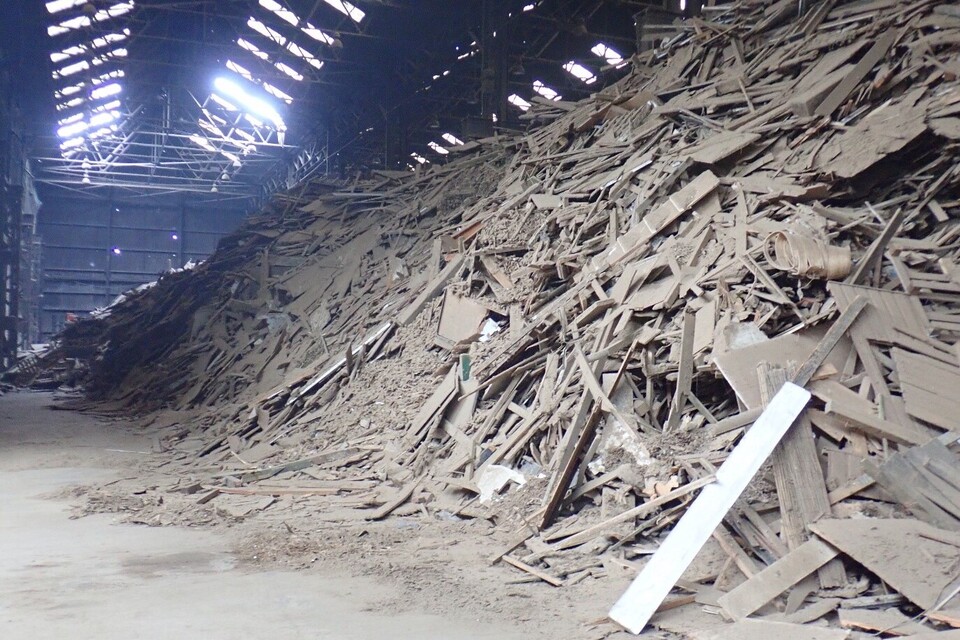
- Gary Paul Cook and John Philip Cook, operators of CLC Utilities Limited, were sentenced for illegally storing 8,000 tonnes of waste wood.
- The company operated without an environmental permit at its Tyneside site, posing a significant fire risk to neighboring properties.
- The Cook brothers pleaded guilty in May 2025 and received 12-month community orders, requiring 160 and 140 hours of unpaid work respectively.
- An Environment Agency investigation in June 2021 found the illegal storage, and the company continued operations despite being told to stop and failing to address remedial actions.
- This case underscores the Environment Agency's intensified enforcement efforts against waste crime as part of its 10-point plan.
Court Proceedings and Sentencing
The company's prolonged operation with excessive waste volumes created a significant fire risk, endangering other local businesses.
Gary Paul Cook and John Philip Cook, operators of CLC Utilities Limited, have received community orders following their sentencing at Newcastle Crown Court on November 18. The brothers and their company had previously admitted guilt in May 2025 to operating a site without the required environmental permit, an offense uncovered by an Environment Agency investigation. The court's decision came after a hearing was necessary to establish the exact quantity of illegally stored waste and the brothers' level of responsibility, as they had disputed these facts.
The court ultimately determined that CLC Utilities Limited had unlawfully accumulated an estimated 8,000 tonnes of waste wood at its Davy Bank site in Wallsend, Tyneside. This operation persisted even after the Environment Agency had issued directives for it to cease. Both Gary Cook, 46, from Hurworth Place, Darlington, and John Cook, 40, from Heron Crescent, Newcastle-Upon-Tyne, were found to have intentionally allowed this substantial accumulation of material. Consequently, Gary Cook was mandated to complete 160 hours of unpaid work, while John Cook was ordered to undertake 140 hours, both as part of a 12-month community order.
Unpermitted Operations and Environmental Hazards
CLC Utilities Limited, incorporated on March 8, 2018, initially engaged in processing waste wood into wood fines for the chipboard and biomass industries. The company had registered a waste exemption with the Environment Agency, which permitted certain low-risk waste activities. However, a compliance check by Environment Agency officers in June 2021 at the Wallsend site revealed a significant deviation from these regulations. They discovered an estimated 8,000 tonnes of waste wood stored in a manner that was not only illegal but also presented a substantial fire hazard.
The severity of this situation was underscored by warnings from the Tyne and Wear Fire and Rescue Service, which indicated that a fire involving the stored waste wood could have devastating consequences for nearby homes and businesses. Despite being issued a list of remedial actions and a deadline of the end of August 2021 to address the issues, the company failed to respond, leading to the deregistration of its waste exemption. The Cook brothers' company continued its operations, disregarding repeated instructions to cease and failing to comply with regulatory requirements. Furthermore, they declined to attend an interview under caution, thereby providing no formal explanation for their actions.
Intensified Environmental Enforcement
This prosecution of CLC Utilities Limited and the Cook brothers exemplifies the Environment Agency's heightened commitment to combating waste crime, a key component of its comprehensive 10-point plan. The agency emphasized that the company's prolonged operation with excessive waste volumes created a significant fire risk, endangering other local businesses. Such persistent disregard for environmental regulations, designed to safeguard both the public and the environment, will not be tolerated.
The government is actively bolstering its efforts to tackle waste crime at its source. This includes deploying advanced technologies like drones, empowering local authorities and police with greater roles, and significantly increasing financial penalties for environmental offenses. Fines for illegal dumping or improper waste treatment are set to rise dramatically, from a maximum of £300 to £5,000. For more severe infractions, the existing framework already allows for stringent sanctions, including prosecution and potential imprisonment, reinforcing the UK's environmental compliance enforcement.
Practical Implications
Compliance officers and legal counsel should note the Environment Agency's intensified enforcement under its 10-point plan, particularly regarding waste storage and environmental permits. This case underscores the severe consequences, including prosecution and community orders, for companies and directors who operate without proper permits, ignore remedial notices, and fail to cooperate with regulatory investigations, highlighting the importance of robust environmental compliance and prompt engagement with regulatory bodies.
Source
Source: Original reporting via GOV.UK
How does this affect you?
Get an AI analysis of this article grounded in your jurisdictions, practice areas, and any policy documents you've uploaded to Wansom.
Finish Reading the Full Story and the Expert Analysis.
Get the latest legal & regulatory intelligence in United Kingdom
Wansom is AI and can make mistakes.