
Tushar Mehta on Conciliation in Indian Law: No Western Concept, Only Cultural Heritage
Summary
- Conciliation is an integral part of Indian culture and not a Western concept.
- Lord Rama and Lord Krishna are cited as examples of Indian leaders who prioritized conciliation over contestation.
- Chief Justice Surya Kant emphasized the importance of human-led online mediation, cautioning against relying solely on AI-based software.
- Justice Sandeep Mehta shared a personal anecdote about the effectiveness of informal mediation in resolving disputes.
Conciliation in Indian Law: A Timeless Tradition
Conciliation is a part of our very basic inherent Indianness,
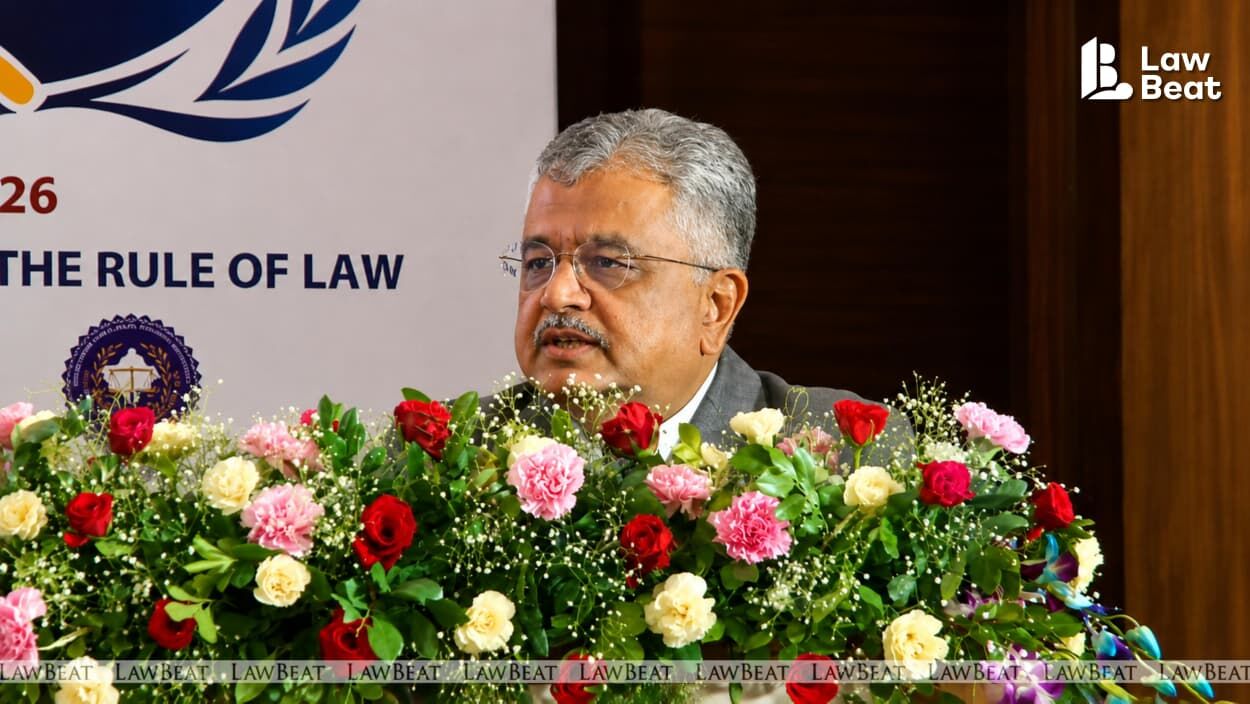
In a recent address at the Commonwealth Peace Mediation Conference 2026, Solicitor General Tushar Mehta emphasized that conciliation is an integral part of Indian culture and not a Western concept. According to SG Mehta, our civilization has always prioritized conciliation over contestation. He cited two notable examples from history: Lord Rama's attempt to negotiate with Ravan before attacking Sri Lanka and Lord Krishna's efforts to resolve disputes in the Mahabharat. These instances demonstrate that even in times of conflict, Indian leaders have consistently sought peaceful resolutions. Mehta's statement serves as a reminder that conciliation is not a new or foreign concept, but rather an inherent aspect of our cultural heritage.
The Role of Human Mediators in Online Dispute Resolution
In his inaugural address at the same conference, Chief Justice Surya Kant highlighted the importance of human-led online mediation. The CJI cautioned against relying solely on AI-based software for dispute resolution, noting that these systems lack empathy and apology. He recommended that online mediation should be conducted predominantly by trained mediators who can provide a more nuanced and compassionate approach to conflict resolution. This emphasis on human mediators is particularly relevant in the context of online dispute resolution, where technology can sometimes create barriers to effective communication.
The Power of Mediation: Lessons from History
Justice Sandeep Mehta of the Supreme Court shared a personal anecdote about the effectiveness of mediation in resolving disputes. He recalled a story from his childhood, where villagers would gather under a tree to resolve conflicts over land and resources. This informal process, known as Panchayat, was often more effective than formal litigation because it took into account the long-term relationships between community members. The CJI's remarks on mediation echo this sentiment, emphasizing that true peace is not just about resolving disputes, but also about maintaining positive relationships within a community.
Practical Implications
Lawyers should take note of the Chief Justice's call to prioritize human-led online mediation over AI-based solutions, which may lack empathy and apology.
Source
Source: Original reporting via LawBeat
How does this affect your business?
Get an AI analysis of this article grounded in your jurisdictions, practice areas, and any policy documents you've uploaded to Wansom.
Wansom is AI and can make mistakes.