
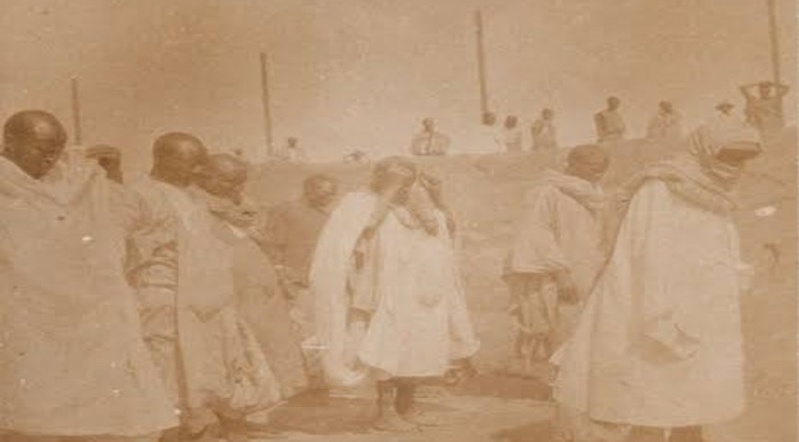
Senegalese Court: No Deportation for Cheikh Ahmadou Bamba
Summary
- Cheikh Ahmadou Bamba was born around 1853 in Mbacké-Baol and grew up in a family known for its religious knowledge.
- He founded the Mouride brotherhood in 1883, attracting thousands of followers with his message of faith, work, and discipline.
- Cheikh Ahmadou Bamba was arrested and deported to Gabon in 1895, but continued to exercise his spiritual authority through peaceful resistance.
- He eventually secured permission to establish Touba, which became a major religious center, and left behind a legacy that continues to shape Senegal's legal landscape.
The Life and Legacy of Cheikh Ahmadou Bamba
Despite this setback, Cheikh Ahmadou Bamba continued to exercise his spiritual authority through peaceful resistance.
Cheikh Ahmadou Bamba was born around 1853 in Mbacké-Baol, a region now part of Diourbel. He came from a family renowned for its religious knowledge, and his parents, Serigne Momar Anta Sali Mbacké and Sokhna Diarra Bousso, ensured he received a rigorous Quranic education from an early age. This foundation laid the groundwork for his future as a spiritual leader. As he grew older, Cheikh Ahmadou Bamba's thirst for knowledge led him to study theology, jurisprudence, and Arabic grammar under several notable masters. His piety and detachment from material wealth made him unappealing to those who sought to exploit his influence, including the royal courts that attempted to woo him. Instead, he focused on spreading his message of faith, work, and discipline, attracting thousands of followers and establishing the Mouride brotherhood in 1883.
The Deportation and Its Aftermath
However, Cheikh Ahmadou Bamba's rise to prominence did not go unnoticed by the French colonial authorities. His growing influence and the number of adherents to his cause raised concerns among the colonizers. On August 10, 1895, he was arrested in Djéwol and subsequently tried in Saint-Louis before being deported to Gabon on September 21, 1895, aboard the Pernambuc. Despite this setback, Cheikh Ahmadou Bamba continued to exercise his spiritual authority through peaceful resistance. Eventually, he secured permission to establish Touba, which would become a major religious center. His legacy endures, with the Mouride brotherhood continuing to grow and thrive.
Historical Significance and Legal Implications
The deportation of Cheikh Ahmadou Bamba has significant historical and legal implications for understanding the evolution of religious freedom laws in Senegal. As a spiritual leader who faced persecution and exile, his story serves as a reminder of the importance of protecting religious rights and freedoms. His legacy continues to shape the country's legal landscape, with ongoing debates about the balance between religious expression and state authority.
Practical Implications
Lawyers and compliance officers should be aware of the historical significance of Cheikh Ahmadou Bamba's deportation, which may have implications for understanding the evolution of religious freedom laws in Senegal.
Source
Source: Original reporting via thiesinfo
How does this affect your business?
Get an AI analysis of this article grounded in your jurisdictions, practice areas, and any policy documents you've uploaded to Wansom.
Wansom is AI and can make mistakes.