
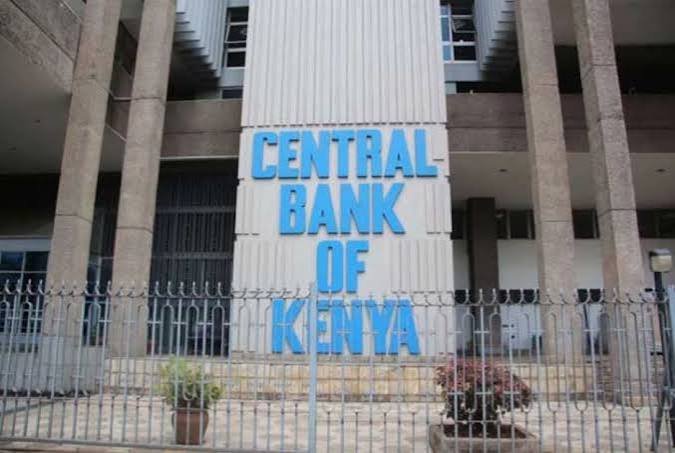
Central Bank of Kenya Sets November 4 Licensing Deadline for Crypto and Stablecoins
Financial regulators in Kenya set a strict November 4 deadline for all digital asset firms to secure official operating licenses. The mandate applies to crypto exchanges, custodial wallet providers, brokers, and stablecoin issuers operating within or from Kenya. Jointly enforced by the Central Bank of Kenya and the Capital Markets Authority, the Virtual Asset Regulations 2026 establish rigorous compliance standards across the domestic market.
The coordinated regulatory push aims to protect everyday consumers while curbing financial crime across digital payment channels. Digital asset businesses that miss the November cutoff face operational bans, severe financial penalties, and enforcement actions.
Core Licensing and Governance Standards
The new framework introduces mandatory corporate governance standards alongside minimum capital thresholds for all market operators. Platforms must deploy verified cybersecurity defenses to safeguard customer assets from theft and unauthorized access. Regulators also require comprehensive anti-money laundering controls and transparent internal risk management protocols.
Key compliance obligations for virtual asset service providers include:
Capital Adequacy: Companies must maintain statutory minimum reserves to absorb unexpected trading losses and market shocks.
Consumer Safeguards: Operators must segregate user funds, disclose fees transparently, and maintain prompt dispute resolution procedures.
Cybersecurity Defense: Systems require recurring security audits, encrypted custody systems, and continuous transaction monitoring to detect fraud.
Strict Reserve Mandate for Stablecoin Issuers
The Virtual Asset Regulations 2026 introduce specialized oversight for stablecoins due to their rapid adoption in retail trade and remittances. Issuers must back all circulating tokens with 100 percent equivalent reserve assets at all times. This safeguard protects token holders from liquidity shortfalls and catastrophic depegging events.
Regulators require stablecoin issuers to provide verified proof of reserves through independent third-party audits. These audits ensure firms hold fiat reserves in segregated accounts rather than using client funds for corporate operations. The joint regulatory panel intends to bar any partially backed or unverified token from operating in Kenya.
Next Steps for Market Operators
With the November 4 deadline approaching, digital asset operators must audit their current capital structures and compliance policies immediately. Industry attorneys urge firms to submit their licensing applications to the joint regulatory committees well before the final date. Completing registration guarantees business continuity and shields companies from abrupt enforcement actions across East Africa's leading financial market.
Citations
- 1.central Bank of Kenya
Finish Reading the Full Story and Expert Analysis.
Get the latest legal & regulatory intelligence in Kenya
Wansom is AI and can make mistakes.