
Federal Regulators Issue Joint Statement: BSA Reporting Disruption Policy Relief
Summary
- Federal regulators issued a joint statement on November 24, 2026, addressing a service disruption impacting BSA reporting.
- The disruption specifically affects financial institutions using the Secure Data Transfer Mode for filings.
- Agencies will not penalize late BSA or SAR filings caused by this disruption if the institution used SDTM as of November 18, 2026.
- Institutions must meticulously document all delayed submissions and attempted filing dates.
- All other AML/CFT obligations, including ongoing monitoring, remain fully in effect.
What Happened
Supervised institutions are mandated to meticulously document any issues encountered with timely compliance due to the service disruption.
A significant service disruption has recently impacted financial institutions' ability to meet their Bank Secrecy Act (BSA) reporting obligations, including the timely submission of suspicious activity reports (SARs). This disruption, which became apparent by November 24, 2026, has particularly affected entities that rely on the Secure Data Transfer Mode (SDTM) for transmitting these crucial regulatory filings. The impediment to reporting has prompted a coordinated response from federal banking regulators to address the challenges faced by supervised institutions.
The technical issues have created a bottleneck for financial institutions attempting to comply with their anti-money laundering (AML) and countering the financing of terrorism (CFT) duties. Specifically, the disruption to the Secure Data Transfer Mode has made it difficult for many to file SARs within the regulatorily prescribed timelines, leading to concerns about potential penalties for late submissions. This situation underscores the critical reliance of the financial sector on robust digital infrastructure for regulatory compliance.
Regulatory Response
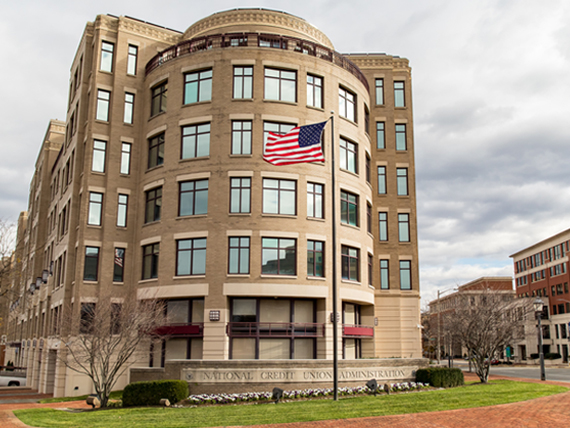
In response to the widespread reporting difficulties, the staffs of the Federal Reserve, the Federal Deposit Insurance Corporation (FDIC), the National Credit Union Administration (NCUA), and the Office of the Comptroller of the Currency (OCC) — collectively referred to as the Agencies — issued a joint statement of supervisory policy on November 25, 2026. This joint statement BSA reporting disruption policy aims to provide clarity and relief to supervised entities grappling with the service disruption. It explicitly states that the Agencies will not pursue supervisory or enforcement actions, including citing violations, against financial institutions for late filings directly attributable to this disruption.
This commitment to Bank Secrecy Act reporting relief is contingent on specific criteria: the financial institution must have been utilizing the Secure Data Transfer Mode (SDTM) for its BSA reporting requirements or SAR filing requirements as of November 18, 2026. The relief extends for the duration and scope of any temporary, limited exceptive relief provided by the Financial Crimes Enforcment Network (FinCEN) concerning this ongoing service disruption, including the initial FinCEN service disruption relief and any subsequent extensions. This coordinated approach ensures consistency across regulatory bodies in addressing the temporary impediment to compliance, effectively providing a SAR filing deadline extension under specific conditions.
Ongoing Obligations and Documentation
Despite the temporary reprieve for late filings, financial institutions must understand that all other anti-money laundering and countering the financing of terrorism (AML/CFT) reporting obligations under the BSA and the Agencies' regulations remain fully in effect. This includes the critical requirement to conduct ongoing monitoring to identify and report suspicious transactions, irrespective of the Secure Data Transfer Mode disruption. The relief specifically targets the *timeliness* of certain filings, not the underlying obligation to identify and report suspicious activity.
Supervised institutions are mandated to meticulously document any issues encountered with timely compliance due to the service disruption. This documentation should detail which submissions were delayed, the specific reasons for the delay, and all attempted submission dates. Such thorough record-keeping will be crucial for demonstrating eligibility for the relief provided by the Federal Reserve, FDIC, NCUA, and OCC. For urgent situations requiring immediate communication of suspicious activity information to law enforcement, the Financial Institutions Hotline (1.866.556.3974) remains operational and unaffected by the current service disruption, offering an alternative channel for critical disclosures.
Practical Implications
Lawyers and compliance officers advising financial institutions should inform clients that regulatory agencies will not penalize late BSA/SAR filings caused by the Secure Data Transfer Mode service disruption, provided the institution used SDTM as of November 18, 2026, and meticulously documents the delays. However, all other AML/CFT obligations remain in effect, and the scope of FinCEN's relief should be closely monitored.
Source
How does this affect you?
Get an AI analysis of this article grounded in your jurisdictions, practice areas, and any policy documents you've uploaded to Wansom.
Finish Reading the Full Story and the Expert Analysis.
Get the latest legal & regulatory intelligence in United States
Wansom is AI and can make mistakes.