
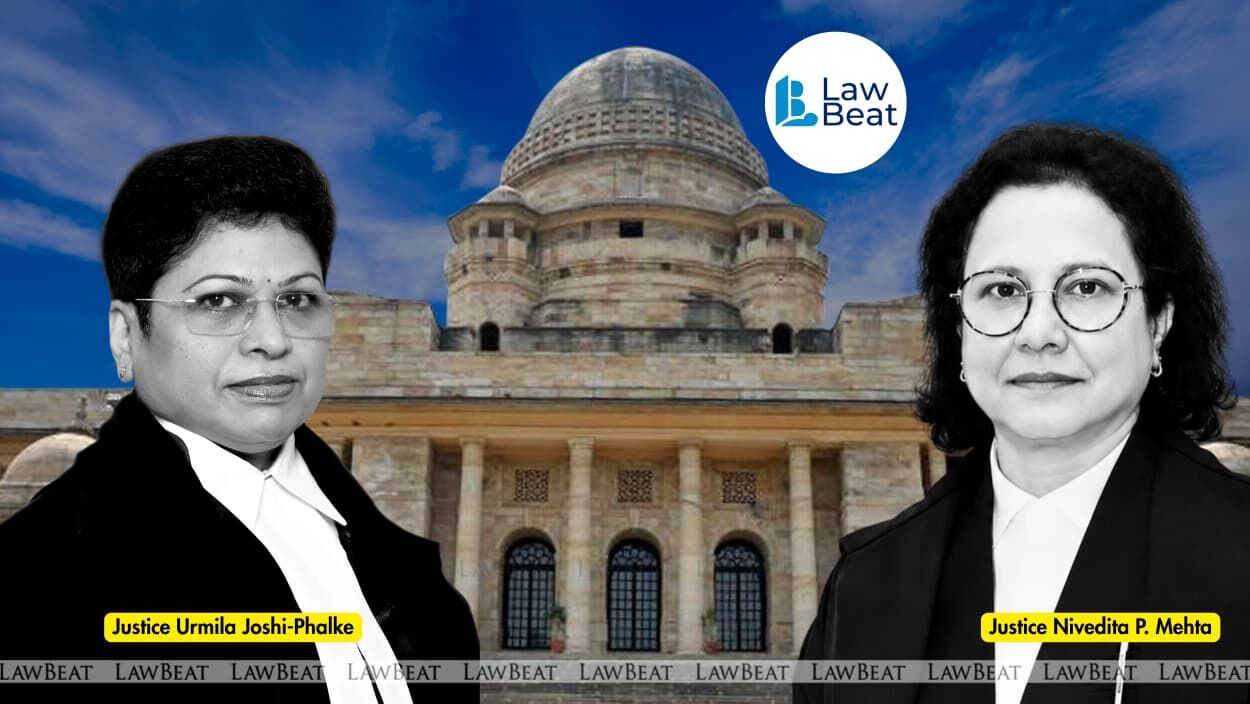
Bombay High Court: No Scheduled Caste Status for Muslims
Summary
- The Bombay High Court has reaffirmed its commitment to upholding the exclusion of Muslims from Scheduled Caste status, citing Article 141 of the Constitution.
- The court relied on the precedent set in Soosai v. Union of India (1985), which upheld the constitutional validity of Paragraph 3 of the Constitution (Scheduled Castes) Order, 1950.
- The decision may limit options for Muslim clients seeking Scheduled Caste benefits until the Supreme Court takes a different view.
Bombay HC Upholds Exclusion of Muslims from Scheduled Caste Status
Unless an earlier decision is stayed, overruled or otherwise ceases to hold the field, every Court in the country remains bound to apply it.
The Bombay High Court has reaffirmed its commitment to upholding the binding precedent set by the Supreme Court, excluding Muslims from claiming Scheduled Caste (SC) status. This decision is significant for lawyers advising clients on caste claims, as it limits options for Muslim clients seeking SC benefits. The court's ruling is based on Article 141 of the Constitution, which declares that the Supreme Court's decisions are binding on all lower courts. In this case, the Nagpur Bench of the Bombay High Court relied on the precedent set in Soosai v. Union of India (1985), where the Supreme Court upheld the constitutional validity of Paragraph 3 of the Constitution (Scheduled Castes) Order, 1950. This provision restricts SC status to persons professing Hinduism, Sikhism, or Buddhism, effectively excluding Muslims from this benefit.
The Role of Judicial Discipline and Article 141
The Bombay High Court's decision highlights the importance of judicial discipline in upholding the binding precedent set by the Supreme Court. According to Article 141, the declaration of law by the Supreme Court is binding on all courts, including lower courts like the Bombay High Court. In this case, the court emphasized that it had no discretion to disregard the existing Supreme Court precedent, even if similar proceedings were pending before a larger Bench of the apex court. The court's ruling underscores the significance of Article 141 in maintaining consistency and predictability in the application of the law.
Implications for Muslim Clients Seeking SC Benefits
The Bombay High Court's decision may limit options for Muslim clients seeking Scheduled Caste benefits. The court clarified that if the Supreme Court ultimately takes a different view on the constitutional validity of Paragraph 3, it would be open to petitioners like Mohd. Faheem to seek appropriate relief and consequential benefits in accordance with law. However, until then, the exclusion of Muslims from SC status remains in place. This decision highlights the need for lawyers advising clients on caste claims to carefully consider the implications of this precedent and the potential limitations it may impose on their clients' options.
Practical Implications
Lawyers advising clients on caste claims should be aware that the Bombay High Court has reaffirmed its binding precedent upholding the exclusion of Muslims from Scheduled Caste status, citing Article 141 of the Constitution. This decision may limit options for Muslim clients seeking SC benefits.
Source
Source: Original reporting via The Hindu
How does this affect your business?
Get an AI analysis of this article grounded in your jurisdictions, practice areas, and any policy documents you've uploaded to Wansom.
Wansom is AI and can make mistakes.