
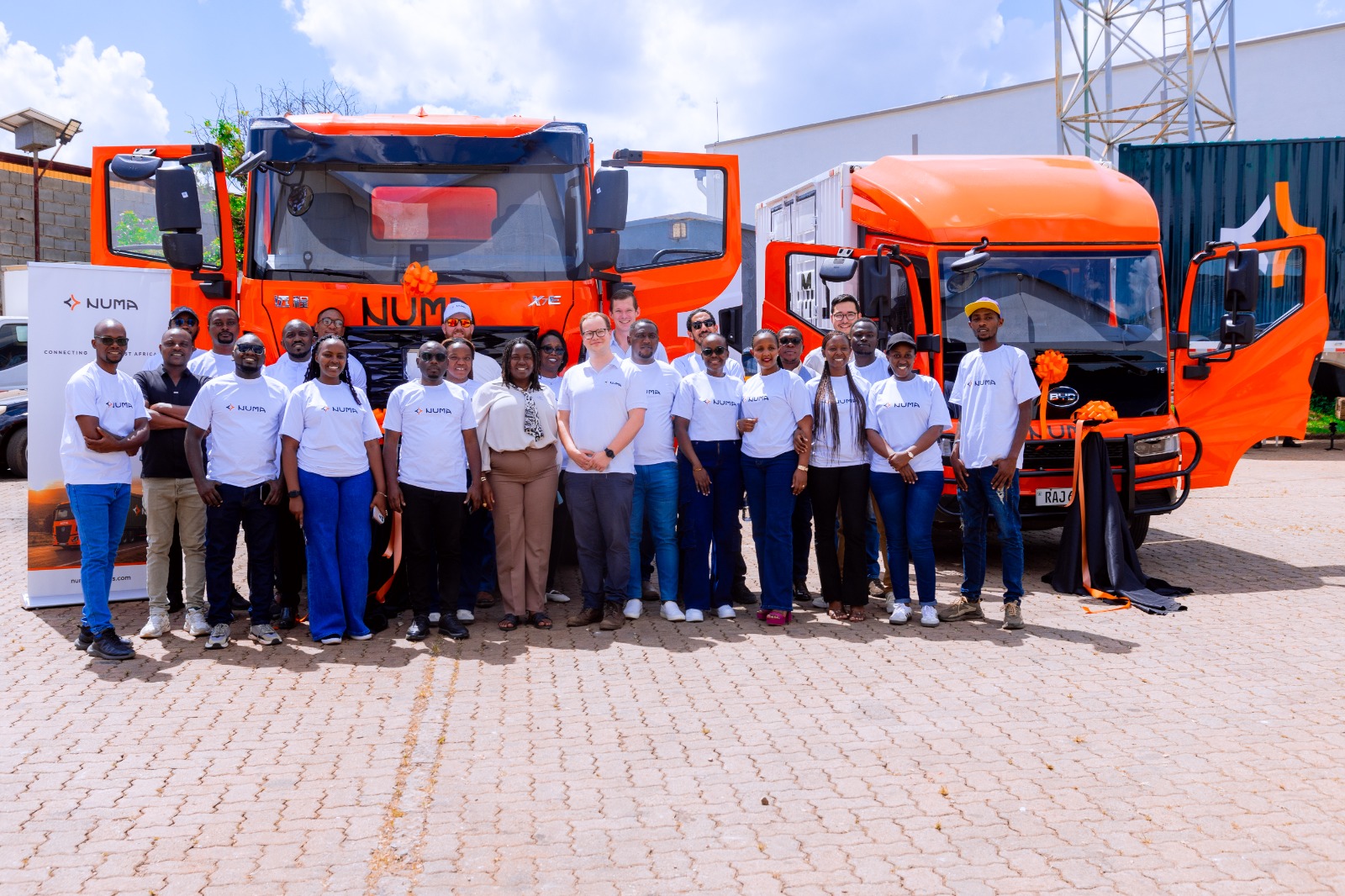
BK Backs Rollout of Rwanda’s First Electric Heavy-Duty Trucks in $7 Million Deal
Abstract
Bank of Kigali (BK) has committed $7 million to finance Rwanda's inaugural fleet of heavy-duty electric trucks, a significant development in the nation's ambitious e-mobility agenda. This partnership with Numa Logistics and Kabisa underscores Rwanda's strategic shift towards sustainable transport and reduced reliance on fossil fuels. The deal is facilitated by a robust legal and policy framework that includes comprehensive incentives for electric vehicles and green investments. It highlights the critical role of financial institutions in driving the country's transition to a low-carbon, climate-resilient economy, setting a precedent for future green financing initiatives in the region.
Introduction
Rwanda's commitment to sustainable development has taken a tangible step forward with the announcement of a $7 million financing deal by Bank of Kigali (BK) to introduce the country's first fleet of heavy-duty electric trucks. This landmark partnership, involving logistics firm Numa Logistics and electric mobility company Kabisa, is poised to revolutionize the transport sector, traditionally a significant contributor to greenhouse gas emissions and reliance on imported petroleum products. The initiative aligns directly with Rwanda's national vision for a green economy and its ambitious climate action targets.
This development is not merely a commercial transaction but a testament to the efficacy of Rwanda's progressive legal and regulatory environment designed to attract and support green investments. For legal professionals, the deal offers a compelling case study into the interplay of sustainable finance, e-mobility policy, and secured transactions law within an emerging market context. This article will delve into the foundational legal and policy frameworks that enable such transformative projects, examining the incentives, regulatory oversight, and financing mechanisms that underpin Rwanda's journey towards a carbon-neutral future.
Background
Rwanda has established a comprehensive framework for environmental protection and climate resilience, anchored by its Vision 2050, which aims for the country to become a developed, climate-resilient, and carbon-neutral economy. Key to this vision is the Green Growth and Climate Resilience Strategy (GGCRS), first adopted in 2011 and revised in 2023, which guides national policy towards low-carbon development across all sectors, including transport. The Nationally Determined Contributions (NDC) under the Paris Agreement further outline Rwanda's commitment to reduce greenhouse gas emissions by 38% by 2030.
To accelerate the transition to e-mobility, the Rwandan government has implemented a robust package of incentives. These include exemptions on import duties, excise taxes, and Value Added Tax (VAT) for electric vehicles, batteries, spare parts, and charging equipment. Furthermore, investors in EV manufacturing and assembly benefit from preferential corporate income tax rates (15%) and potential tax holidays. The Ministry of Infrastructure (MININFRA) has also mandated that at least 30% of newly procured vehicles by public institutions must be electric, demonstrating public sector leadership. The Rwanda Utilities Regulatory Authority (RURA) is responsible for setting up regulations and guidelines for the transport sector, ensuring compliance and fostering an environment conducive to new technologies.
Analysis
The $7 million financing by Bank of Kigali for electric heavy-duty trucks exemplifies the successful convergence of Rwanda's green finance initiatives and its progressive e-mobility policies. This deal aligns with the objectives of the Rwanda Green Fund (FONERWA), one of Africa's first national environment and climate change investment funds, which provides strategic financing to accelerate climate resilience and green economic development. Furthermore, it resonates with Ireme Invest, Rwanda's green investment facility launched at COP27, designed to de-risk and catalyze private sector investment in climate change mitigation and adaptation, with a focus on sectors like clean transportation.
The legal framework for e-mobility provides significant financial incentives that make such large-scale investments attractive. The exemptions from import duties, excise taxes, and VAT on electric vehicles and their components directly reduce the capital expenditure for companies like Numa Logistics and Kabisa. Additionally, the provision of rent-free land for charging stations and favorable electricity tariffs for EV charging further lower operational costs, enhancing the commercial viability of electric transport solutions. The Ministry of Infrastructure's strategic paper on electric mobility adaptation, alongside RURA's regulatory oversight in the transport sector, creates a stable and supportive environment for the deployment of electric fleets.
From a commercial lending perspective, the financing of these heavy-duty trucks would be governed by Rwanda's secured transactions law. Law No. 34/2013 on Security Interests in Movable Property (which updated Law No. 11/2009) allows for a wide range of movable assets, including motor vehicles, to be used as security for loans. For the security interest to be perfected and enforceable against third parties, it must be registered online at the Office of the Registrar General. This robust framework provides legal certainty for lenders like Bank of Kigali, ensuring their ability to recover in case of default, thereby facilitating access to credit for such capital-intensive projects. The law also permits the use of after-acquired property as collateral, which could be relevant for future fleet expansions.
While the introduction of electric trucks is inherently environmentally beneficial, large-scale projects in Rwanda are typically subject to environmental scrutiny. Law No. 48/2018 on Environment, which updated the Organic Law on Environmental Protection and Management (2005), mandates Environmental Impact Assessments (EIAs) for projects likely to have significant environmental effects. Ministerial Order No. 003/2008 outlines the requirements and procedures for conducting EIAs. Although electric vehicles reduce emissions, the establishment of new logistics hubs, charging infrastructure, or the sheer scale of operations could potentially trigger EIA requirements, ensuring that even green projects are implemented sustainably and in compliance with national environmental standards, coordinated by the Rwanda Environment Management Authority (REMA).
Conclusion
The $7 million deal by Bank of Kigali for Rwanda's first electric heavy-duty trucks represents a significant milestone, showcasing the successful implementation of the country's forward-thinking green policies and financial sector engagement. This initiative not only addresses climate change mitigation by reducing transport emissions but also enhances Rwanda's energy security by decreasing reliance on imported fossil fuels.
For legal practitioners, this development underscores the growing importance of expertise in sustainable finance, e-mobility regulations, and secured transactions within the context of green economy transitions. As Rwanda continues its trajectory towards becoming a regional leader in sustainable transport, legal professionals should anticipate an increase in complex transactions involving innovative financing structures, public-private partnerships, and evolving regulatory compliance. Monitoring further legislative developments in green bonds, carbon markets, and specialized lending instruments will be crucial as the country scales up its climate action agenda and attracts more green investment.
Citations
- 1.Law No. 003/2018 of 09/02/2018 on Mortgage and Pledge
- 2.Law No. 002/2018 of 09/02/2018 on Secured Transactions
- 3.Law No. 04/2005 Organic Law determining the modalities of protection, conservation and promotion of environment in Rwanda
- 4.Law No. 11/2009 on Security Interests in Moveable Property
- 5.Law No. 34/2013 on Security Interests in Moveable Property
- 6.Law No. 48/2018 of 13/08/2018 on Environment
- 7.Ministerial Order No. 003/2008 relating to the requirements and procedure for environmental impact assessment
- 8.Ministry of Infrastructure (MININFRA) Strategic Paper on Electric Mobility Adaptation in Rwanda, April 2021
- 9.National Bank of Rwanda (BNR) Green Banking Guidelines (if available, not explicitly found in search but implied by green finance context)
- 10.National Environment and Climate Change Policy (2019)
- 11.Rwanda Green Growth and Climate Resilience Strategy (GGCRS), revised 2023
- 12.Rwanda Utilities Regulatory Authority (RURA) Regulation N° 009/R/TLTPT/TRANS/RURA/2020 of 29/09/2020 governing public transport bus services
- 13.Rwanda's Nationally Determined Contributions (NDC) under the Paris Agreement
- 14.Vision 2050 (Rwanda)
How does this affect your business?
Get an AI analysis of this article grounded in your jurisdictions, practice areas, and any policy documents you've uploaded to Wansom.
Wansom is AI and can make mistakes.