
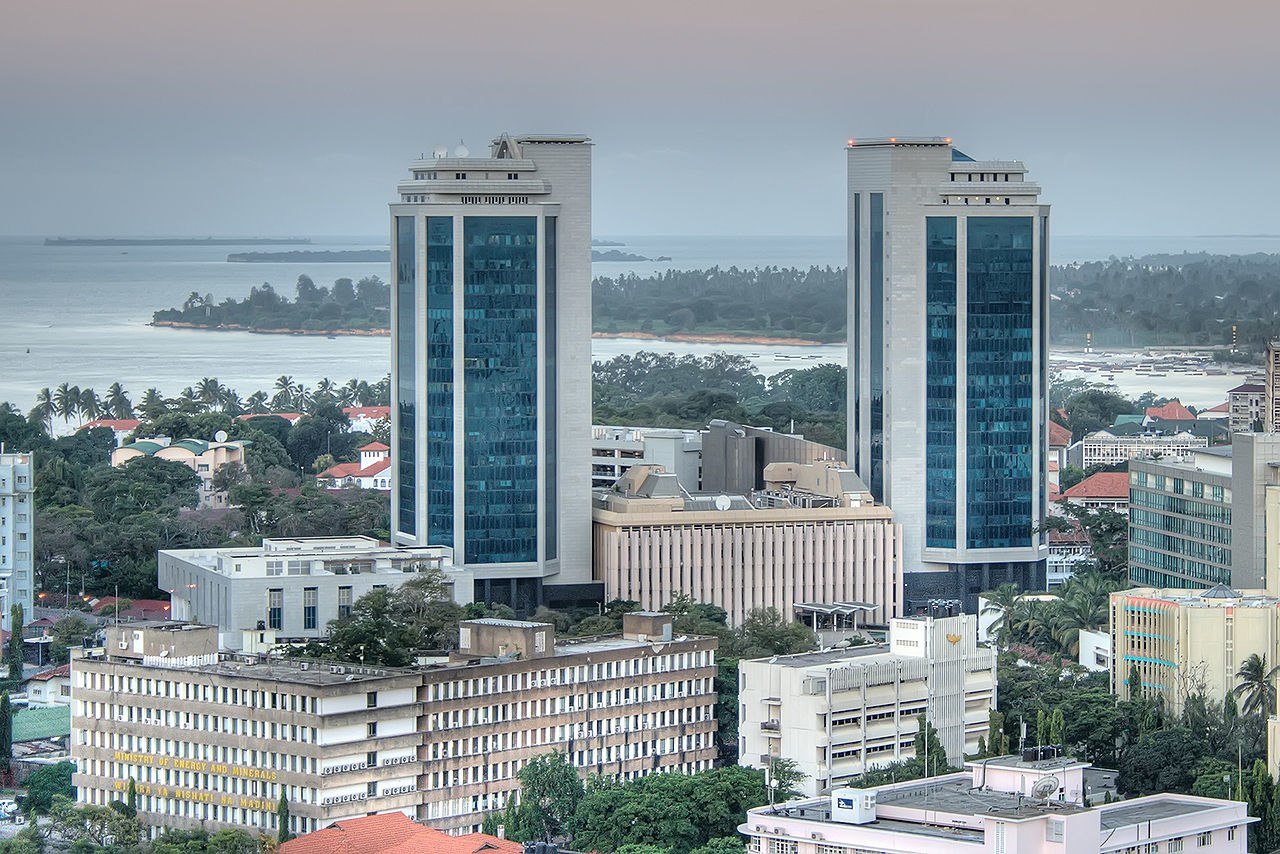
Bank of Tanzania Enforces 6.25% Central Bank Rate as September Review Flags Rising Transport Inflation
The Bank of Tanzania (BoT) is actively enforcing its tightened monetary policy stance, directing commercial banks to anchor their operational rates to the elevated 6.25% Central Bank Rate (CBR). The central bank reinforced this mandate with the publication of its latest Monthly Economic Review in early September 2026, demonstrating a firm commitment to curbing imported inflation.
The Monetary Policy Committee (MPC) previously established the 6.25% benchmark rate for the quarter ending September 2026. This decision marked a decisive regulatory shift to manage price stability amid severe external supply shocks.
Documenting the Inflationary Pressures
The data published in the September economic review justifies this aggressive enforcement. While Tanzania’s headline inflation remains within the statutory 3% to 5% target band, it rose to 4.2%. Global energy market volatility, geopolitical disruptions in the Middle East, and surging maritime freight costs have heavily impacted the domestic economy.
The pass-through effect from these external shocks is acute. Transport inflation surged to nearly 13.8%, forcing the BoT to act decisively to prevent these localized price spikes from permanently shifting the broader pricing environment. In contrast, domestic food inflation remains relatively stable, supported by strong agricultural harvests.
Enforcing the Tightened Rate Corridor
To ensure the 6.25% policy rate effectively transmits to the real economy, the BoT is heavily regulating commercial bank liquidity. Regulators monitor the 7-day Interbank Cash Market (IBCM)—the market where banks lend to each other—to guarantee it strictly tracks the CBR.
The central bank previously narrowed the operational rate corridor from ±200 basis points to ±150 basis points. Consequently, commercial banks face higher liquidity costs if they deviate from the BoT's policy target. This dynamic directly pressures banks to increase the interest rates they charge corporate borrowers.
Compliance Implications / What This Means for Your Business
Who must act, and what specifically changes: Corporate treasurers, Chief Financial Officers (CFOs), and commercial credit analysts must revise their near-term borrowing models. Commercial banks must strictly manage their daily interbank liquidity to avoid BoT penalties for operating outside the mandated ±1.5 percentage point CBR corridor.
Financial and operational exposure: The BoT's strict enforcement of the 6.25% CBR guarantees a higher cost of capital. Businesses holding variable-rate commercial loans or seeking new debt facilities will face elevated interest expenses. Prime negotiated lending rates, which have historically hovered around 12%, face direct upward pressure.
Realistic timeline for compliance planning: Immediate. The 6.25% rate is currently in active enforcement for the quarter ending September 2026. The MPC will convene in early October to announce the rate for the fourth quarter, giving businesses a narrow window to lock in critical financing before potential further hikes.
What remains uncertain or pending: It remains unconfirmed whether the central bank will raise the CBR further in October if transport and energy inflation continues to accelerate, or if strong domestic agricultural harvests will sufficiently moderate food prices to justify a rate hold.
Regulatory Snapshot
Authority/Instrument: Bank of Tanzania (BoT), Monetary Policy Committee (MPC) Directives, and the September 2026 publication of the Monthly Economic Review.
Status: In force (Active enforcement).
Effective Date: Immediate enforcement for the quarter ending September 2026.
Who Is Affected: Commercial banks, microfinance institutions, corporate borrowers, and institutional investors.
Action Required By: Commercial banks must ensure interbank lending operations remain within the strictly enforced ±1.5% corridor of the benchmark rate; corporate treasurers must adjust debt forecasts for rising borrowing costs.
Source
How does this affect you?
Get an AI analysis of this article grounded in your jurisdictions, practice areas, and any policy documents you've uploaded to Wansom.
Finish Reading the Full Story and the Expert Analysis.
Get the latest legal & regulatory intelligence in Tanzania
Wansom is AI and can make mistakes.