
Wontumi Samreboi Case: Full charges under Minerals and Mining Act
Abstract
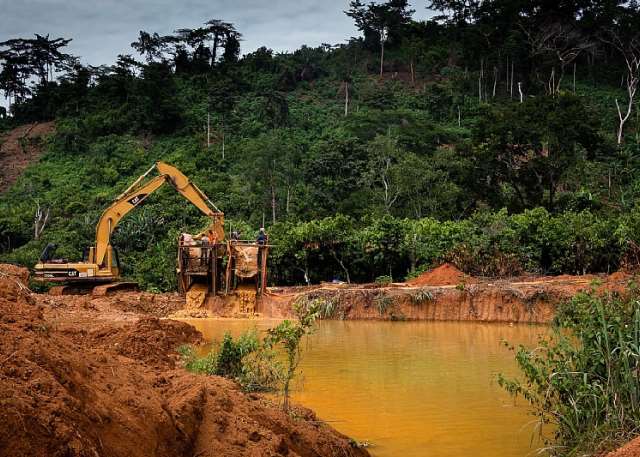
The Accra High Court has convicted Ashanti Regional Chairman of the New Patriotic Party (NPP), Bernard Antwi-Boasiako, popularly known as Chairman Wontumi, on all six charges brought against him in connection with illegal mining activities on the Samreboi concession in the Western Region. The conviction is based on a full charge sheet dated October 6, 2025, which reveals that Wontumi and his company Akonta Mining Limited are being prosecuted under the Minerals and Mining Act, 2006 (Act 703) as amended by the Minerals and Mining (Amendment) Act, 2019 (Act 995). The charges against Wontumi and his co-accused highlight the ongoing concerns regarding illegal mining activities in Ghana and the need for effective enforcement of relevant legislation.
Introduction
The recent conviction of Bernard Antwi-Boasiako, also known as Chairman Wontumi, on six charges related to illegal mining activities has significant implications for the enforcement of environmental laws in Ghana. As the Ashanti Regional Chairman of the New Patriotic Party (NPP), Wontumi's actions have raised concerns about the nexus between politics and environmental degradation. This article examines the background to the case, the relevant legal framework, and the potential implications of this conviction for practitioners dealing with similar cases.
Background
The Minerals and Mining Act, 2006 (Act 703), as amended by the Minerals and Mining (Amendment) Act, 2019 (Act 995), regulates mining activities in Ghana. The Act sets out provisions for the granting of mining licenses, environmental protection, and the prevention of illegal mining. Despite these regulatory frameworks, illegal mining remains a significant concern in Ghana, with associated environmental degradation and social impacts. This case highlights the need for effective enforcement of relevant legislation to prevent such activities.
Analysis
The conviction of Wontumi and his co-accused on all six charges brings into focus the critical issue of accountability for environmental crimes in Ghana. The use of the Minerals and Mining Act, 2006 (Act 703), as amended by the Minerals and Mining (Amendment) Act, 2019 (Act 995), demonstrates the relevance of this legislation in addressing illegal mining activities. However, the case also raises questions about the effectiveness of the regulatory framework and the need for strengthened enforcement mechanisms to prevent such crimes.
Conclusion
The conviction of Wontumi on all six charges related to illegal mining activities serves as a reminder of the importance of effective enforcement of environmental laws in Ghana. Practitioners dealing with similar cases should take note of this development and consider its implications for their clients' liability under relevant legislation. As the regulatory landscape continues to evolve, it is essential that practitioners stay informed about developments in this area to provide accurate advice to their clients.
How does this affect your business?
Get an AI analysis of this article grounded in your jurisdictions, practice areas, and any policy documents you've uploaded to Wansom.