
WHO Approves New Kala-Azar Treatment for Kenya: Reduced Injections
Summary
- The World Health Organization (WHO) has approved new treatment guidelines for kala-azar and PKDL in Eastern Africa.
- The revised guidelines reduce the number of painful injections patients must endure, cutting injections from 34 over 17 days to just 14.
- Patients with kala-azar will receive a combination of oral miltefosine and once-daily paromomycin injections for 14 days.
- The new regimen also lowers the risk of developing PKDL, a skin condition that can emerge months after successful treatment of kala-azar.
New WHO Guidelines for Kala-Azar Treatment in Kenya
By recommending safer, shorter and more patient-friendly regimens, we are not just improving care; we are accelerating our fight to eliminate this devastating disease and offering renewed hope to communities across Africa and Asia.
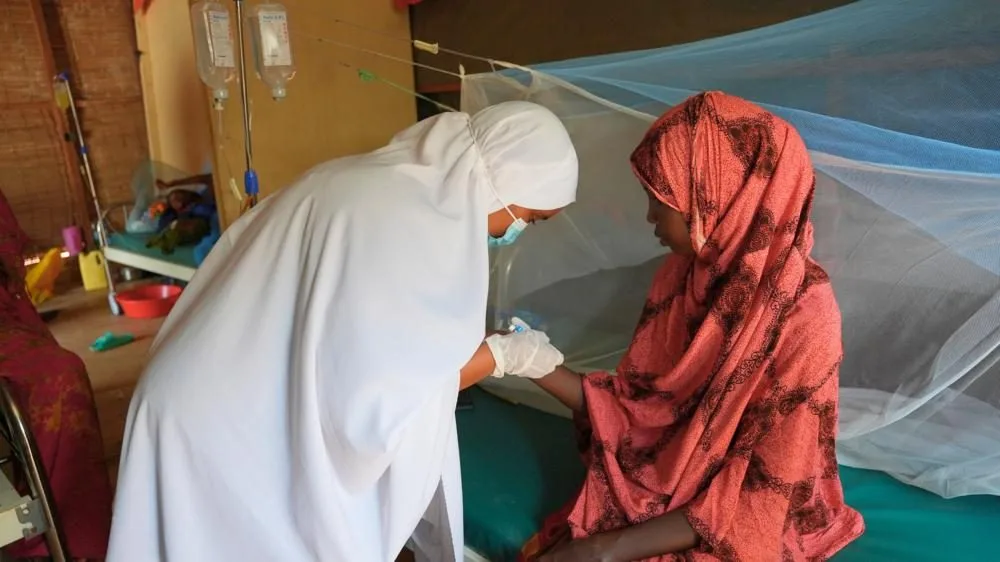
The World Health Organization (WHO) has approved new treatment guidelines for visceral leishmaniasis (kala-azar) and post-kala-azar dermal leishmaniasis (PKDL) in Eastern Africa, including Kenya. The revised guidelines mark the first major update to WHO's recommendations for the deadly parasitic disease in nearly two decades. According to WHO, the new regimen significantly reduces the number of painful injections patients must endure, cutting injections from 34 over 17 days to just 14. Patients with kala-azar will receive a combination of oral miltefosine and once-daily paromomycin injections for 14 days.
Legal Context: Implications for Kenya's National Treatment Protocols
Health officials in Kenya should now update the country's national treatment protocols to include the new WHO-approved treatment regimen. This could lead to improved patient care and reduced risk of developing PKDL. Lawyers advising clients on leishmaniasis treatment may also need to consider the implications of these revised guidelines for existing treatment contracts or agreements. The new recommendations are backed by evidence from clinical trials conducted in Kenya, Ethiopia, Uganda, and Sudan under the leadership of the Drugs for Neglected Diseases initiative (DNDi) and its partners.
Why It Matters: Accelerating the Fight Against Leishmaniasis
The new treatment recommendations are a significant step toward eliminating leishmaniasis, which causes prolonged fever, severe weight loss, anaemia, and enlargement of the spleen and liver. According to WHO, Eastern Africa accounted for 79 per cent of global kala-azar cases in 2024, with half of all patients being children under the age of 15. The new regimen also lowers the risk of developing PKDL, a skin condition that can emerge months after successful treatment of kala-azar. For women of childbearing age, WHO recommends pregnancy testing and appropriate contraception before treatment with miltefosine because of potential risks to fetal development.
Practical Implications
Health officials in Kenya should now update the country's national treatment protocols to include the new WHO-approved treatment regimen, which could lead to improved patient care and reduced risk of developing PKDL. Lawyers advising clients on leishmaniasis treatment may also need to consider the implications of these revised guidelines for existing treatment contracts or agreements.
Source
How does this affect your business?
Get an AI analysis of this article grounded in your jurisdictions, practice areas, and any policy documents you've uploaded to Wansom.