
US Supreme Court oral argument predictability and case law outcomes
Summary
- The Supreme Court often provides clues about its likely decision during oral arguments, but the exact outcome can still be unpredictable.
- In some cases, the court appears to be leaning towards a particular direction only to deviate from it in the final ruling.
- Lawyers must remain vigilant and not take anything for granted when it comes to the Court's decisions.
Unpredictable Outcomes
The eventual decision did indeed curtail this provision, but the exact coalition behind it remained unclear.
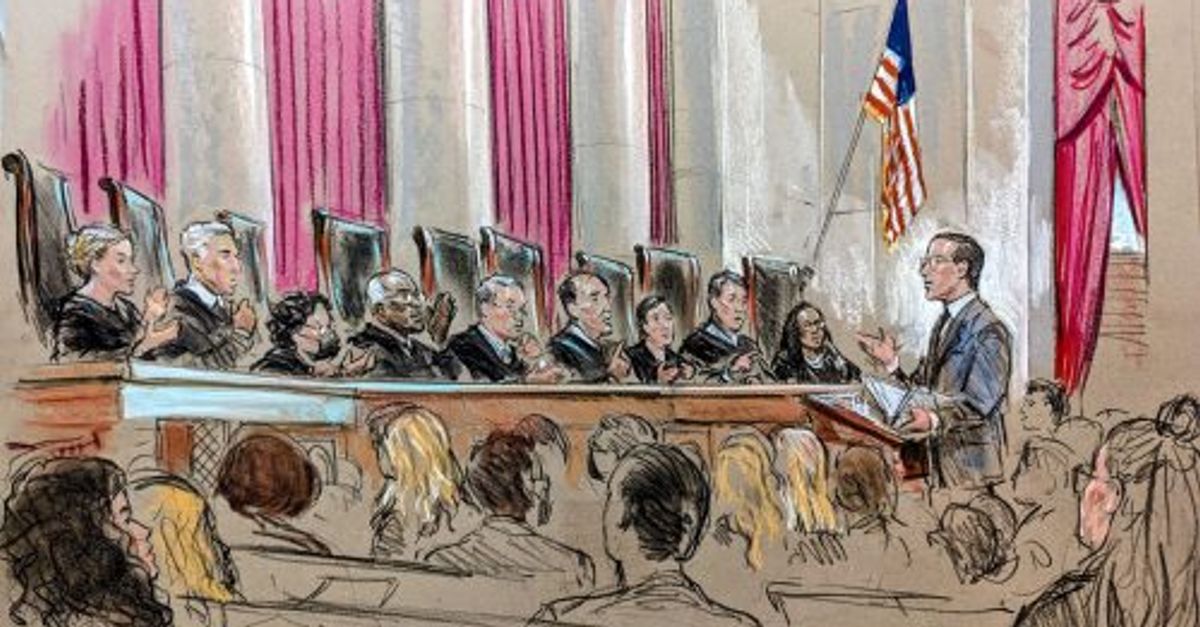
The Supreme Court's oral arguments often provide clues about the likely outcome of a case, but the exact decision can still come as a surprise. In some instances, the court appears to be leaning towards a particular direction, only to deviate from it in the final ruling. For example, after rehearing Louisiana v. Callais, there were indications that the court was poised to limit a major provision of the Voting Rights Act. Justices Thomas, Alito, and Gorsuch expressed concerns about race-conscious redistricting, while Kavanaugh suggested imposing time limits on such remedies. The eventual decision did indeed curtail this provision, but the exact coalition behind it is now clear.
Legal Context
The Supreme Court's willingness to reveal its likely decision during oral arguments can have significant implications for lawyers and their clients. In Trump v. Barbara, the court appeared skeptical of President Donald Trump's effort to restrict birthright citizenship, with CBS News reporting that the administration's chances of prevailing were extremely low. Ultimately, the administration lost in a 6-3 decision. The case highlights the importance of understanding the Court's dynamics and how they can influence the outcome of a case.
Why It Matters
The Supreme Court's oral arguments provide valuable insights into its likely decisions, but lawyers must be cautious not to assume too much. In Chatrie v. United States, the court seemed inclined to permit police use of geofence warrants after argument, only to rule 6-3 that the government's acquisition of cellphone-location records was a search. This outcome was described as 'somewhat surprising' by one post-decision account. The case underscores the need for lawyers to remain vigilant and not take anything for granted when it comes to the Court's decisions.
Practical Implications
Lawyers should watch for the potential implications of the Supreme Court's willingness to reveal its likely decision during oral arguments, which may influence their clients' strategies and expectations in future cases.
Source
How does this affect your business?
Get an AI analysis of this article grounded in your jurisdictions, practice areas, and any policy documents you've uploaded to Wansom.