
US Defense Attorneys' AI Adoption Guidance Released by NACDL
Summary
- The National Association of Criminal Defense Lawyers released a report urging defense attorneys to adopt AI tools responsibly.
- Defense lawyers have an ethical obligation to use AI in their practice and in the courtroom, as a failure to do so could result in incompetent representation and negative outcomes for criminal defendants.
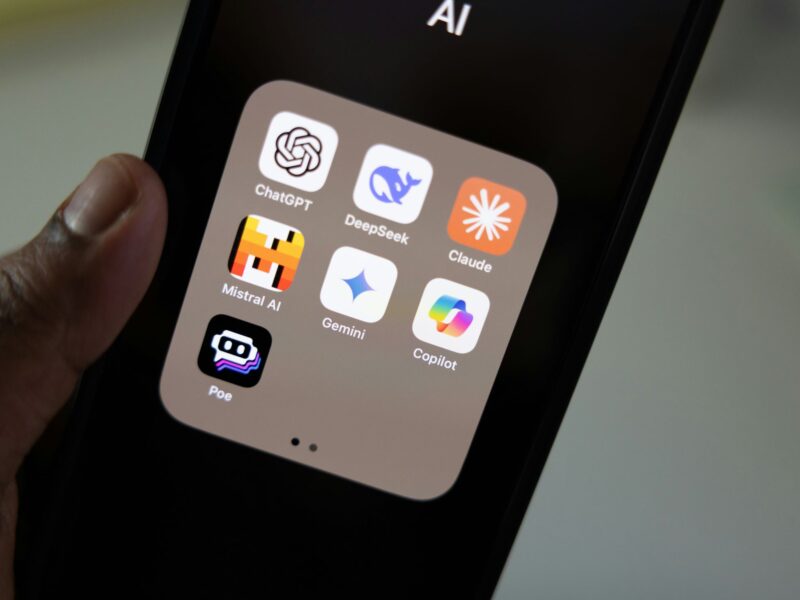
- Commercial AI products like OpenAI's ChatGPT and Google's Gemini carry significant confidentiality concerns, while law-specific tools still suffer from issues like hallucinations.
- Enterprise-level AI tools, such as Microsoft CoPilot and Harvey, are being vetted for use in the legal profession to address these concerns.
What Happened
According to Mason Clark, author of the report, defense lawyers have an ethical obligation to use AI in their practice and in the courtroom, as a failure to do so could result in incompetent representation and negative outcomes for criminal defendants.
The release of ChatGPT in November 2022 marked a turning point for generative artificial intelligence products, which have since become ubiquitous across various industries. This shift has raised questions about the use of AI technology within government institutions and the nation's legal system. The National Association of Criminal Defense Lawyers (NACDL) has taken notice of this trend and released a report titled 'Parity in Practice: The Defender's Duty to Ethically Use AI.' The report highlights the need for defense attorneys to adopt AI tools responsibly, ensuring they provide competent representation for their clients. According to Mason Clark, author of the report, defense lawyers have an ethical obligation to use AI in their practice and in the courtroom, as a failure to do so could result in incompetent representation and negative outcomes for criminal defendants.
Legal Context
The NACDL's report emphasizes the importance of adopting enterprise-level AI tools that are specifically designed for the legal profession. These tools, such as Microsoft CoPilot and Harvey, have been vetted to address confidentiality concerns associated with commercial AI products like OpenAI's ChatGPT and Google's Gemini. However, even law-specific tools suffer from issues like hallucinations, where AI systems produce incorrect information. A study by the Stanford RegLab and Institute for Human-Centered Artificial Intelligence found that Lexis+ AI and Ask Practical Law AI systems produced incorrect information over 17% of the time, while Westlaw's AI-Assisted Research tool hallucinated more than 34% of the time.
Why It Matters
The increasing use of AI in the legal profession has significant implications for defense attorneys. As prosecutors increasingly adopt enterprise-level AI tools, defenders must carefully consider the risks and benefits of adopting similar technology to ensure they provide competent representation for their clients. The NACDL's report aims to provide a roadmap for defense attorneys and public defenders to understand how to use AI in an efficient and ethical way. According to Clark, this is not just about keeping up with the times but also about fulfilling the duty of competence that comes with being a lawyer.
Practical Implications
US defense attorneys should carefully consider the risks and benefits of adopting AI tools, particularly those with confidentiality concerns, to ensure they provide competent representation for their clients.
Source
How does this affect your business?
Get an AI analysis of this article grounded in your jurisdictions, practice areas, and any policy documents you've uploaded to Wansom.