
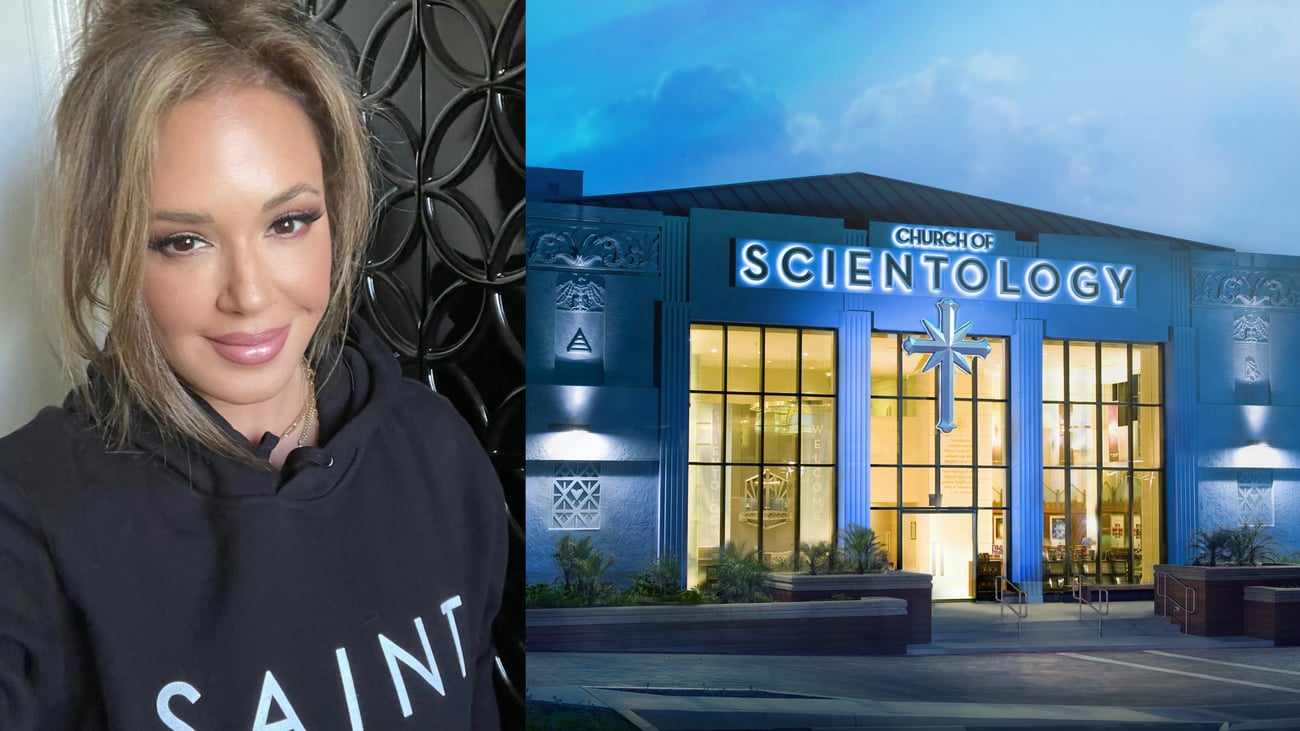
US Appeals Court: Leah Remini Defamation Suit Against Church of Scientology Survives
Summary
- A three-judge panel of the state court of appeals has issued a ruling in Leah Remini's defamation suit against the Church of Scientology, largely upholding the lawsuit and clearing the way for discovery to proceed and the case to return to the trial court, though with significant limitations.
- The appeals court revived three previously dismissed claims, finding that repeated statements by the church restarted the statute of limitations clock.
- The ruling sets a precedent for reviving previously struck claims if they are made again within the statute of limitations period.
- Leah Remini's attorney remains optimistic, stating that the case can now move forward and hold the defendants liable for their conduct.
What Happened
However, Remini's attorney remains optimistic, stating that the case can now move forward and hold the defendants liable for their conduct.
A three-judge panel of the state court of appeals has issued a ruling in Leah Remini's defamation suit against the Church of Scientology, largely upholding the lawsuit and clearing the way for discovery to proceed and the case to return to the trial court, though with significant limitations. The lower court had struck about half of the defamation claims on First Amendment grounds, and also dismissed some claims for being time-barred by the statute of limitations. However, the appeals court revived three previously dismissed claims, finding that the church's repeated statements against Remini restarted the clock. For example, the panel ruled that Remini cannot sue over being called an 'unhinged religious bigot' or 'a one-woman hate machine,' but can pursue claims for being labeled a 'liar.' The ruling is seen as a small victory for the church, which had argued that its statements were protected by the First Amendment. However, Remini's attorney remains optimistic, stating that the case can now move forward and hold the defendants liable for their conduct.
Legal Context
The appeals court's ruling is significant because it sets a precedent for reviving previously struck claims if they are made again within the statute of limitations period. This could have implications for lawyers representing clients in high-profile defamation cases, who may need to consider whether their clients' statements can be revived under similar circumstances. The church had argued that its statements were protected by the First Amendment, but the appeals court found that some of these statements did not meet this standard. The ruling also highlights the ongoing tension between the Church of Scientology and Leah Remini, who has been a vocal critic of the organization for many years.
Why It Matters
The outcome of this case could have far-reaching implications for individuals and organizations involved in high-profile defamation disputes. The appeals court's ruling on the statute of limitations clock may set a precedent that affects future cases, potentially impacting liability for defendants. Additionally, the ongoing feud between Leah Remini and the Church of Scientology continues to attract attention and raises questions about the limits of free speech and the consequences of harassment and intimidation.
Practical Implications
Lawyers representing clients in high-profile defamation cases should note that the appeals court's ruling may set a precedent for reviving previously struck claims if they are made again within the statute of limitations period, potentially impacting their clients' liability.
Source
Source: Original reporting via CN
How does this affect your business?
Get an AI analysis of this article grounded in your jurisdictions, practice areas, and any policy documents you've uploaded to Wansom.
Wansom is AI and can make mistakes.