
UN Warns of Escalating Violence Against Women in Al Fashir, Sudan
Summary
- The UN Women agency has warned of escalating violence against women and girls in Al Fashir, Sudan.
- Drone attacks and sexual violence have made it impossible for women to safely venture out to fetch water, exacerbating the city's severe water scarcity.
- There are already reports of 1,330 cases of cholera in early July, with the rainy season approaching its peak next month.
- The combination of malnutrition and limited access to healthcare has heightened the risks for women and girls.
- Lawyers and compliance officers should be aware of the potential public health implications of this situation.
Escalating Violence Against Women in Al Fashir
The agency expressed 'grave concern' about the pattern of violence against women and girls in the city, where drone attacks by day and sexual violence at night have made it impossible for them to safely venture out to fetch water.
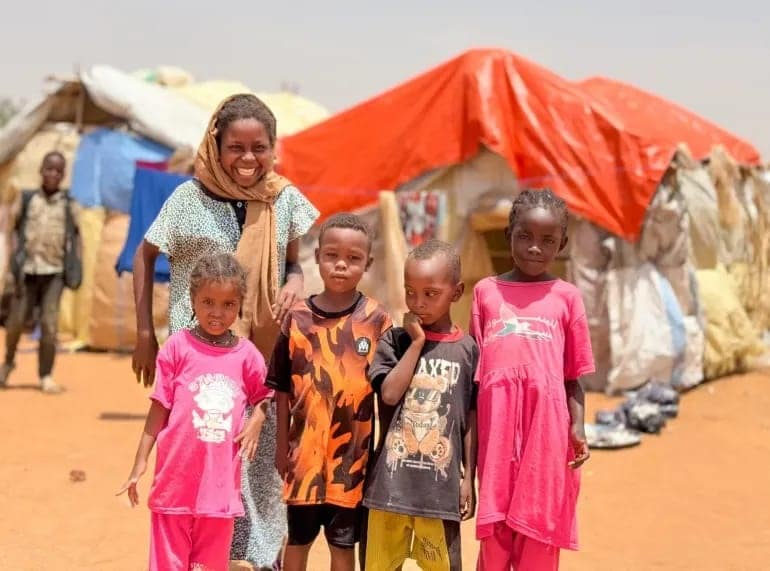
The UN Women agency has sounded the alarm over the escalating violence against women and girls in Al Fashir, a city in western Sudan's North Darfur state. The agency expressed 'grave concern' about the pattern of violence against women and girls in the city, where drone attacks by day and sexual violence at night have made it impossible for them to safely venture out to fetch water. According to UN Women, the access to food, healthcare, and other essential services has become severely limited, particularly in displacement areas.
The rapid increase in drone strikes on Al Fashir, which began in early June, has further exacerbated the situation. The city's residents are living in a state of constant fear, with schools, markets, and even hospitals being targeted by the attacks.
Legal Context: Water Scarcity and Public Health Risks
The ongoing conflict in Al Fashir has led to severe water scarcity, with a 70% gap in drinking water supply. The situation is particularly dire as the rainy season approaches its peak next month, increasing the risk of water-borne diseases such as cholera. In fact, there have already been reports of 1,330 cases of cholera in early July.
The combination of malnutrition and limited access to healthcare has further heightened the risks for women and girls, who are more vulnerable to severe illnesses and death. Lawyers and compliance officers should be aware that this situation may lead to increased risk of water-borne diseases, which could have serious implications for public health and safety.
Why It Matters: Protecting Women's Rights in Conflict Zones
The escalating violence against women and girls in Al Fashir is a stark reminder of the urgent need to protect women's rights in conflict zones. The UN Women agency has emphasized that the situation on the ground requires immediate attention and action to prevent further human suffering. As the international community grapples with the complexities of conflict resolution, it is essential to prioritize the protection of vulnerable populations, particularly women and girls, who are often disproportionately affected by violence and displacement.
Practical Implications
Lawyers and compliance officers should be aware that the ongoing conflict and water scarcity in Al Fashir may lead to increased risk of water-borne diseases, such as cholera, which could have serious implications for public health and safety.
Source
How does this affect your business?
Get an AI analysis of this article grounded in your jurisdictions, practice areas, and any policy documents you've uploaded to Wansom.