
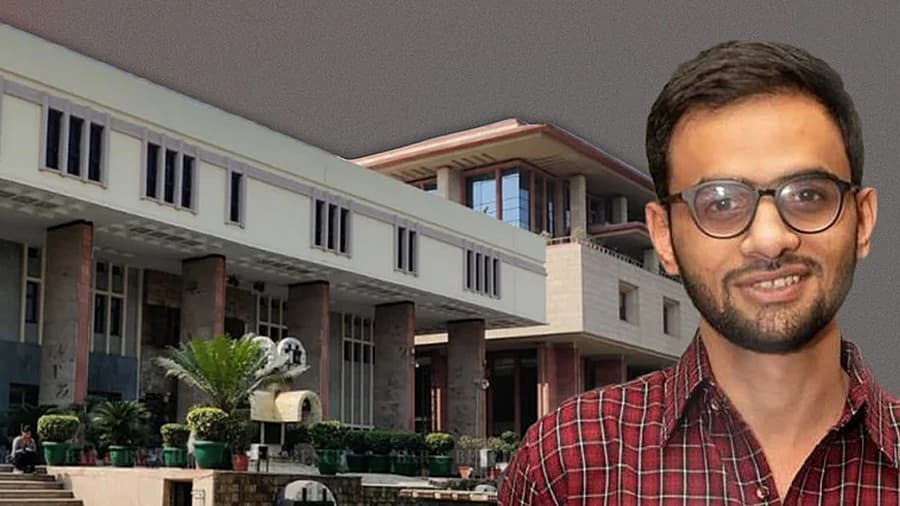
Umar Khalid Seeks Bail in Delhi Riots Conspiracy Case Before Delhi High Court
Summary
- Umar Khalid has moved the Delhi High Court seeking bail in the Delhi Riots conspiracy case.
- The trial court rejected his plea citing the Supreme Court's earlier order from January 2026.
- Khalid is challenging the statutory bar on bail under Section 43D(5) of the UAPA and seeking interim bail until a decision is made by the Supreme Court.
- The outcome could impact the prospects of bail for accused individuals in similar cases.
- Lawyers should closely watch this development to effectively advocate for their clients.
Umar Khalid's Bail Plea Reaches Delhi High Court
Khalid's decision to move the High Court comes after his trial court order was rejected on July 4, which cited the Supreme Court's earlier order from January 2026 as grounds for dismissal.
For the second time, Umar Khalid has approached the Delhi High Court seeking bail in the Delhi Riots conspiracy case. The matter is scheduled to be heard by a Bench of Justices Prathiba M Singh and Vikas Mahajan on July 31. Khalid's decision to move the High Court comes after his trial court order was rejected on July 4, which cited the Supreme Court's earlier order from January 2026 as grounds for dismissal.
The Supreme Court's ruling had imposed specific conditions on Khalid and co-accused Sharjeel Imam, stating that they could seek bail only upon completion of protected witness examination or after one year from the date of the order, whichever is earlier.
Legal Context: UAPA and Article 21
At the heart of Khalid's plea lies the question of whether Article 21 (right to life and personal liberty) applies against the strict statutory bar on bail under Section 43D(5) of the Unlawful Activities (Prevention) Act (UAPA). This issue is currently pending before the Supreme Court, with Khalid seeking interim bail until a decision is made. The trial court's order rejecting his plea was based on its obligation to follow the Supreme Court's earlier ruling.
The UAPA's provisions have been subject to scrutiny in recent years, particularly regarding the balance between national security and individual rights. Section 43D(5) sets out specific conditions for bail, which has led to concerns about the potential for abuse of power.
Why It Matters: Implications for Lawyers and Clients
The outcome of Khalid's plea could have significant implications for lawyers and their clients in similar cases. The Supreme Court's decision on whether Article 21 applies against the statutory bar on bail under Section 43D(5) UAPA could impact the prospects of bail for accused individuals. Lawyers should closely watch this development, as it may shape their approach to representing clients in cases involving the UAPA.
The case also highlights the importance of understanding the interplay between national security laws and individual rights. As the legal landscape continues to evolve, lawyers must stay attuned to these developments to effectively advocate for their clients.
Practical Implications
Lawyers should watch for the Supreme Court's decision on whether Article 21 applies against the strict statutory bar on bail under Section 43D(5) of UAPA, which could impact their clients' bail prospects in similar cases.
Source
Source: Original reporting via [Source]
How does this affect your business?
Get an AI analysis of this article grounded in your jurisdictions, practice areas, and any policy documents you've uploaded to Wansom.
Wansom is AI and can make mistakes.