
TVA duck blind negligence lawsuit revived after 11th Circuit ruling
Summary
- The 11th Circuit revived a negligence lawsuit against the Tennessee Valley Authority (TVA) on behalf of two Alabama fishermen who were seriously injured in a boat accident.
- The TVA can be sued under the Tennessee Valley Authority Act's sue-and-be-sued clause, but the panel refused to revive claims against the federal government.
- The decision highlights the complexities of the Suits in Admiralty Act and the discretionary function exception, which shields the government from liability for policy-related decisions.
- The ruling has implications for lawyers representing clients who have been injured by unmarked or inadequately marked waterway obstructions.
TVA Duck Blind Negligence Lawsuit Revived
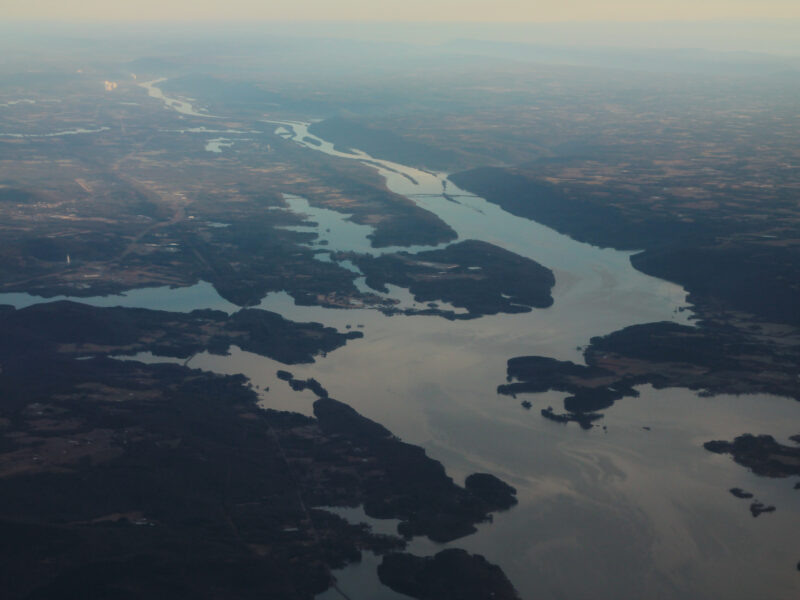
In a unanimous decision, an 11th Circuit panel has revived a negligence lawsuit against the Tennessee Valley Authority (TVA) on behalf of two Alabama fishermen who were seriously injured when their boat crashed into a hidden duck blind in Guntersville Lake. The TVA is a federally owned corporation that operates under the Tennessee Valley Authority Act. The panel ruled that the TVA can be sued under the act's sue-and-be-sued clause, allowing Gilliam and Jones to pursue their claims against the TVA. However, the panel refused to revive the pair's claims against the federal government, citing the discretionary function exception to the Suits in Admiralty Act.
Relevant Legal Context
The decision is significant because it highlights the complexities of the Suits in Admiralty Act and the discretionary function exception. The act allows individuals to sue the government for negligence in maritime actions, but the exception shields the government from liability for policy-related decisions. In this case, the panel found that the TVA's failure to remove or warn about the duck blind was a discretionary decision that fell within the scope of the exception. This ruling has implications for lawyers representing clients who have been injured by unmarked or inadequately marked waterway obstructions.
Why It Matters
The revival of the lawsuit against the TVA is a significant development for the plaintiffs, who were seriously injured in the accident. The decision also highlights the need for clear and consistent marking of waterway obstructions to prevent such accidents from occurring in the future. Furthermore, the ruling has implications for government entities and their liability for policy-related decisions. As one judge noted, the 11th Circuit should consider revisiting its precedent on the discretionary function exception, which may have far-reaching consequences for maritime law.
Practical Implications
Lawyers representing clients who have been injured by unmarked or inadequately marked waterway obstructions should watch for the potential application of the discretionary function exception to the Suits in Admiralty Act, which may shield government entities from liability for policy-related decisions.
Source
How does this affect your business?
Get an AI analysis of this article grounded in your jurisdictions, practice areas, and any policy documents you've uploaded to Wansom.
Wansom is AI and can make mistakes.