
Trump administration cattle grazing lawsuit Arizona targets Endangered Species Act
Summary
- A pair of nonprofits sued the U.S. Bureau of Land Management and U.S. Fish and Wildlife Service over alleged unlawful cattle grazing in southeast Arizona.
- The lawsuit claims that the Bureau of Land Management's authorization of cattle grazing violates the Endangered Species Act.
- Cattle grazing has a profound impact on the environment, threatening numerous imperiled species and their habitats.
- Field surveys have consistently shown continuing damage to endangered species habitat from supposed illegal cattle grazing.
- The plaintiffs argue that complete exclusion of livestock from critical habitat areas is necessary to prevent further degradation.
Unlawful Cattle Grazing in Arizona
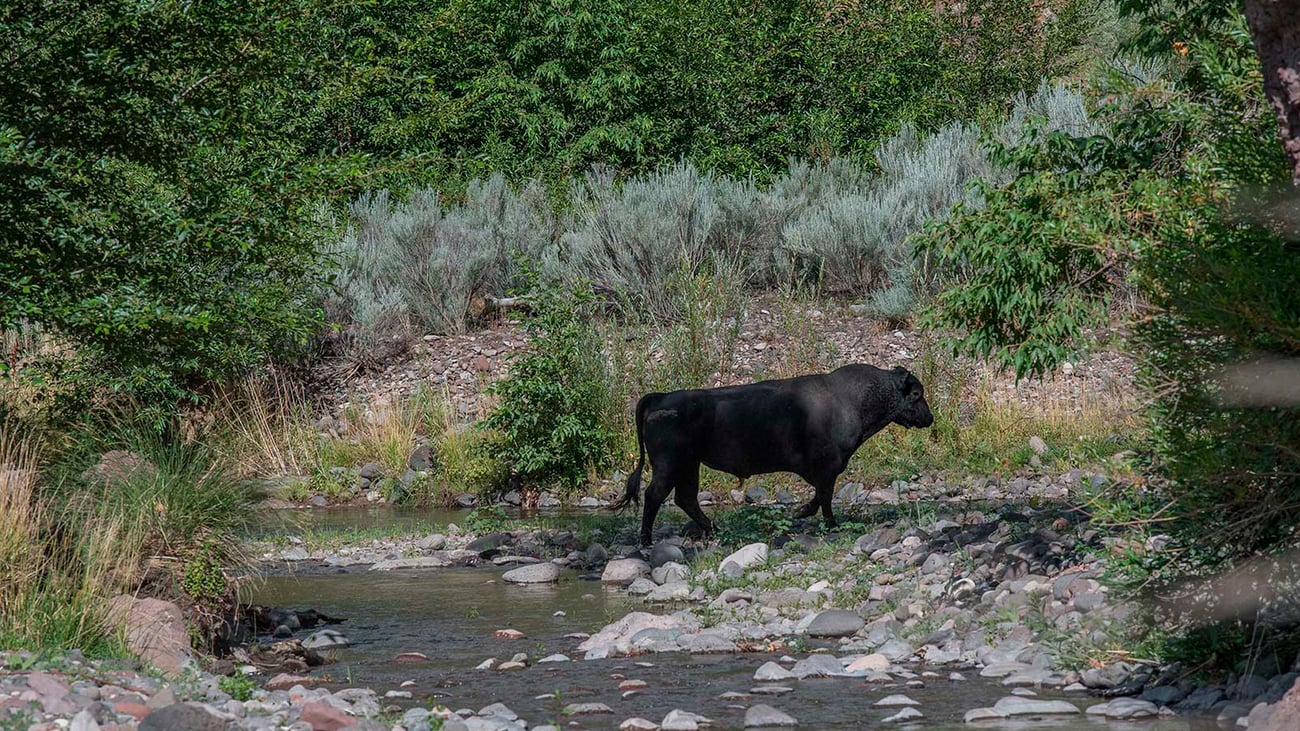
Cattle grazing has a profound impact on the environment, particularly along rivers and streams in Arizona. A panoply of species, including the southwestern willow flycatcher, yellow-billed cuckoo, Gila chub, Gila topminnow, razorback sucker, spikedace, loach minnow, narrow-headed garter snake, and northern Mexican garter snake, are threatened by cattle grazing in these areas.
A pair of nonprofits has filed a lawsuit against the U.S. Bureau of Land Management and U.S. Fish and Wildlife Service, alleging that the Bureau of Land Management (BLM) has been allowing unlawful cattle grazing in southeast Arizona. The complaint, which was filed in federal court, claims that this authorization violates the Endangered Species Act (ESA). According to the plaintiffs, the BLM's reliance on an opinion issued by the U.S. Fish and Wildlife Service in 2024, which authorized cattle grazing in the Gila District, is a clear contravention of the ESA. The groups argue that this decision has devastating consequences for numerous imperiled species and their habitats. Cattle grazing near rivers and streams can pollute waterways with feces and urine, trample banks, and strip vegetation, ultimately destroying habitat. In fact, field surveys conducted over six years have consistently shown continuing damage to endangered species habitat from cattle grazing that is supposed to be illegal. The plaintiffs claim that the only way to prevent this degradation of critical habitat is through the complete exclusion of livestock from these areas.
Environmental Impact
Cattle grazing has a profound impact on the environment, particularly along rivers and streams in Arizona. A panoply of species, including the southwestern willow flycatcher, yellow-billed cuckoo, Gila chub, Gila topminnow, razorback sucker, spikedace, loach minnow, narrow-headed garter snake, and northern Mexican garter snake, are threatened by cattle grazing in these areas. In fact, according to the plaintiffs' complaint, more than half of the habitat of both the northern Mexican garter snake and yellow-billed cuckoos in Arizona and New Mexico has been adversely modified by livestock grazing. Furthermore, a staggering 85% (2070.9 miles) of riparian critical habitat surveyed was damaged by livestock grazing. This is not just an environmental issue; it's also a matter of public health. When people visit our public lands today, they find waterways polluted with cow feces and damaged ecosystems unable to support imperiled wildlife.
Regulatory Context
The lawsuit highlights the complex regulatory landscape surrounding cattle grazing in Arizona. The BLM's authorization of cattle grazing in the Gila District is based on an opinion issued by the U.S. Fish and Wildlife Service in 2024, which allegedly violates the ESA. However, this decision has significant implications for the management of public lands in Arizona. As the plaintiffs argue, the complete exclusion of livestock from critical habitat areas is necessary to prevent further degradation of these ecosystems. This is not a new issue; it's been a long-standing problem that has been exacerbated by federal neglect. The nonprofits have been working tirelessly to address this issue, but their efforts have been hindered by the BLM's failure to follow the law.
Practical Implications
Lawyers and compliance officers should watch for potential precedent-setting litigation over the intersection of environmental law and federal agency authority, particularly in areas where livestock grazing is regulated or prohibited.
Source
How does this affect your business?
Get an AI analysis of this article grounded in your jurisdictions, practice areas, and any policy documents you've uploaded to Wansom.