
Texas Ten Commandments case heads to SCOTUS, challenging public school displays
Summary
- A coalition of multifaith Texas families has filed a petition to the Supreme Court challenging the constitutionality of religious displays in public schools.
- The case is set to test the Kennedy test, a method of determining whether a law violates the establishment clause.
- The outcome of this case could have far-reaching implications for church-state relations and the interpretation of the First Amendment's establishment clause.
What Happened
The founders despised official denominational preferences by the government. They despised religious coercion.
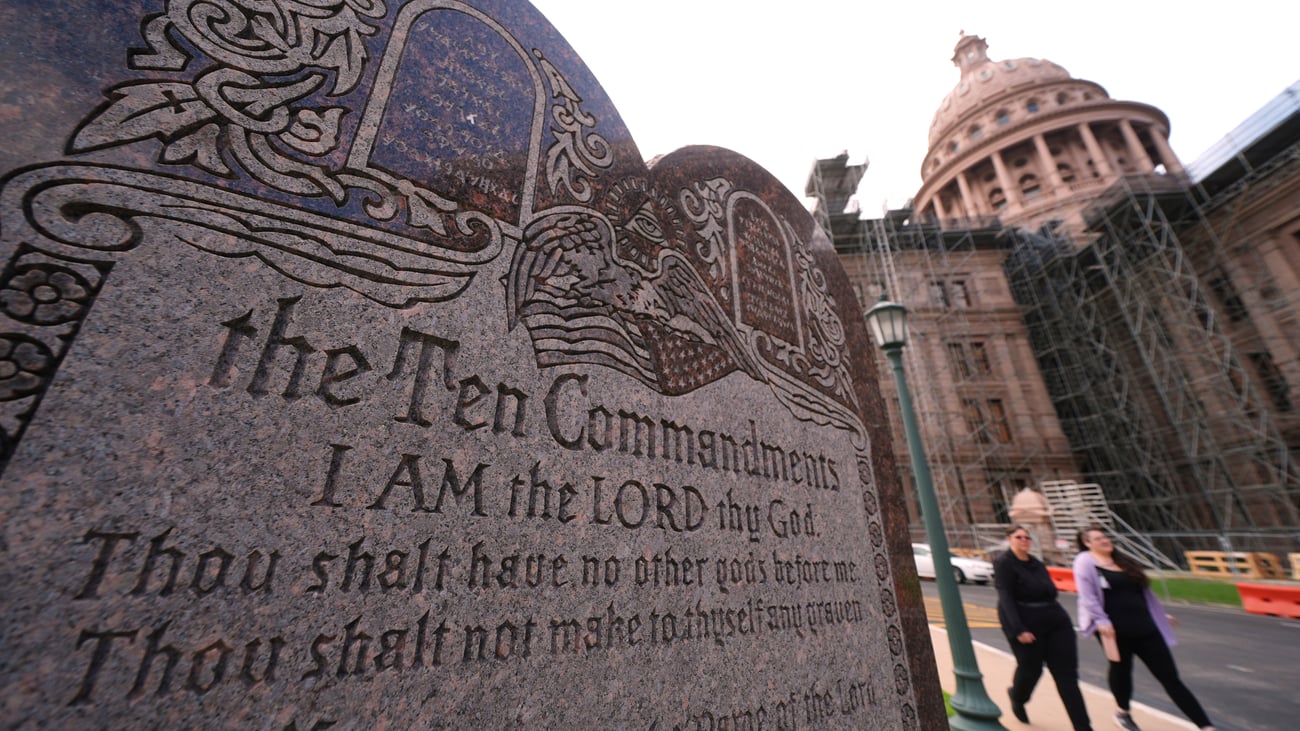
A coalition of multifaith Texas families has filed a petition to the Supreme Court, arguing that the display of the Ten Commandments in public school classrooms violates the First Amendment's establishment clause. The case is set to challenge the constitutionality of religious displays in public schools, particularly in light of the Court's shift towards originalism and its impact on First Amendment jurisprudence.
The petition comes after a Fifth Circuit ruling that upheld Texas' SB10 law, which requires the display of the Ten Commandments in public school classrooms. The decision was seen as a departure from the 1980 Supreme Court ruling in Stone v. Graham, which held that displaying the Ten Commandments in public schools violates the establishment clause.
The Supreme Court's originalist jurisprudence could put the justices at the center of a debate over the founders' views on church-state relations and the separation of powers.
Legal Context
The case is set to test the Kennedy test, a method of determining whether a law violates the establishment clause. The test requires judges to consider how modern laws would have been seen at the founding. In this context, the display of the Ten Commandments in public school classrooms has been likened to the control over established churches and mandatory worship that existed during the colonial era.
However, there are disagreements over the historical analysis, with some arguing that public schools did not exist at the time of the founding and therefore cannot be compared to the displays of religious coercion that were prevalent then. The ACLU is supporting the coalition of multifaith families challenging Texas' law, citing the founders' disdain for official denominational preferences by the government.
The case has significant implications for church-state relations and the interpretation of the First Amendment's establishment clause.
Why It Matters
The outcome of this case could have far-reaching implications for the constitutionality of religious displays in public schools. The Supreme Court's shift towards originalism has led to a reevaluation of historical precedent, and this case is set to test the boundaries of what is permissible under the establishment clause.
Lawyers and compliance officers should watch for the potential implications of a Supreme Court review on the constitutionality of religious displays in public schools. The case highlights the tension between originalist jurisprudence and the interpretation of the First Amendment's establishment clause, and its outcome could have significant consequences for church-state relations.
Practical Implications
Lawyers and compliance officers should watch for the potential implications of a Supreme Court review on the constitutionality of religious displays in public schools, particularly in light of the Court's shift towards originalism and its impact on First Amendment jurisprudence.
Source
Source: Original reporting via CN
How does this affect your business?
Get an AI analysis of this article grounded in your jurisdictions, practice areas, and any policy documents you've uploaded to Wansom.