
Tanzania: Ulega Directs Bail Compliance to Combat Prison Overcrowding
Summary
- Tanzania's Minister for Constitution and Legal Affairs, Abdallah Ulega, has directed authorities to inspect remand facilities and prisons nationwide.
- The directive aims to identify and resolve case-related challenges and reduce overcrowding in correctional facilities.
- Authorities are specifically instructed to ensure that eligible suspects are granted bail in accordance with Tanzanian law.
- These instructions were issued during an introductory meeting with the National Prosecutions Service.
Ministerial Directive Issued
Minister Abdallah Ulega, who oversees Constitution and Legal Affairs in Tanzania, has issued a significant directive aimed at improving the country's correctional system.
Minister Abdallah Ulega, who oversees Constitution and Legal Affairs in Tanzania, has issued a significant directive aimed at improving the country's correctional system. This instruction mandates ongoing inspections of both remand facilities and prisons throughout Tanzania. The core objective is to proactively identify and resolve various issues related to ongoing cases within these institutions.
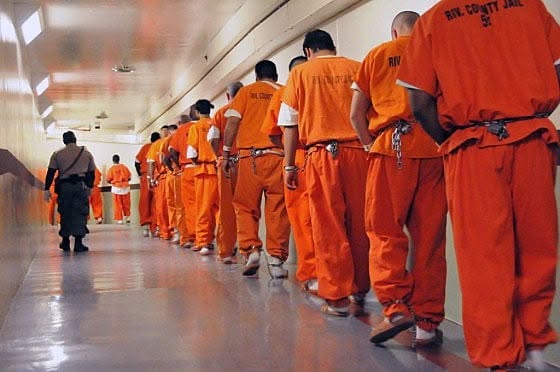
The directive specifically targets the persistent problem of prison overcrowding in Tanzania, urging authorities to implement measures that alleviate the strain on these facilities. Furthermore, Minister Ulega emphasized the critical importance of ensuring that all suspects who meet the legal criteria for bail are indeed granted it, in strict adherence to existing laws. This comprehensive set of instructions was delivered during an initial meeting held at the National Prosecutions Service.
Addressing Systemic Issues
The Minister's directives underscore a concerted effort to tackle long-standing Tanzania prison case challenges. By calling for continuous scrutiny of detention centers, the government aims to uncover and rectify procedural bottlenecks and other impediments that contribute to prolonged pre-trial detention. This proactive approach is crucial for maintaining the integrity of the justice system and upholding the rights of individuals awaiting trial.
A primary focus of the new mandate is the reduction of overcrowding within Tanzania's penal institutions. This issue often stems from delays in case processing and the failure to release eligible individuals on bail. The emphasis on Tanzania bail law compliance is therefore a direct response to this problem, seeking to ensure that legal provisions for temporary release are consistently applied, thereby easing the burden on correctional facilities.
Legal and Regulatory Context
The legal framework in Tanzania provides for bail in various circumstances, and Minister Abdallah Ulega's directives serve as a reinforcement of these existing statutes. The call for rigorous Tanzania remand facilities inspection is not merely an administrative task but a mechanism to ensure that the application of these laws is consistent and fair across all regions. This oversight is vital for preventing arbitrary detentions and upholding due process.
The National Prosecutions Service Tanzania plays a pivotal role in the implementation of these directives, as prosecutors are central to the bail process. Their adherence to the Minister's guidance will be instrumental in identifying individuals who qualify for bail and facilitating their release, thereby directly impacting the issue of prison overcrowding. The directive implicitly calls for a collaborative effort between legal and correctional authorities to achieve these goals.
Why It Matters
This development signals a heightened focus on judicial efficiency and human rights within Tanzania's legal system. For legal practitioners, the Minister's emphasis on Tanzania Ulega prison overcrowding bail issues suggests an increased opportunity to advocate for clients held in pre-trial detention, particularly those who may have been overlooked for bail. The renewed push for compliance with bail laws could streamline processes and potentially reduce the duration of remand.
The directives also carry significant implications for compliance officers and legal aid organizations, who should anticipate closer scrutiny of detention conditions and bail procedures. Monitoring for any procedural changes affecting detained individuals will be crucial. Ultimately, these measures aim to foster a more just and efficient legal environment, addressing critical challenges within the country's correctional facilities and ensuring that legal provisions are applied equitably.
Practical Implications
Lawyers should anticipate increased scrutiny on remand facilities and potential for more efficient bail processing in Tanzania, creating opportunities to advocate for clients held in pre-trial detention. Compliance officers should monitor for any related procedural changes affecting detained individuals.
Source
How does this affect you?
Get an AI analysis of this article grounded in your jurisdictions, practice areas, and any policy documents you've uploaded to Wansom.
Finish Reading the Full Story and the Expert Analysis.
Get the latest legal & regulatory intelligence in Tanzania
Wansom is AI and can make mistakes.