
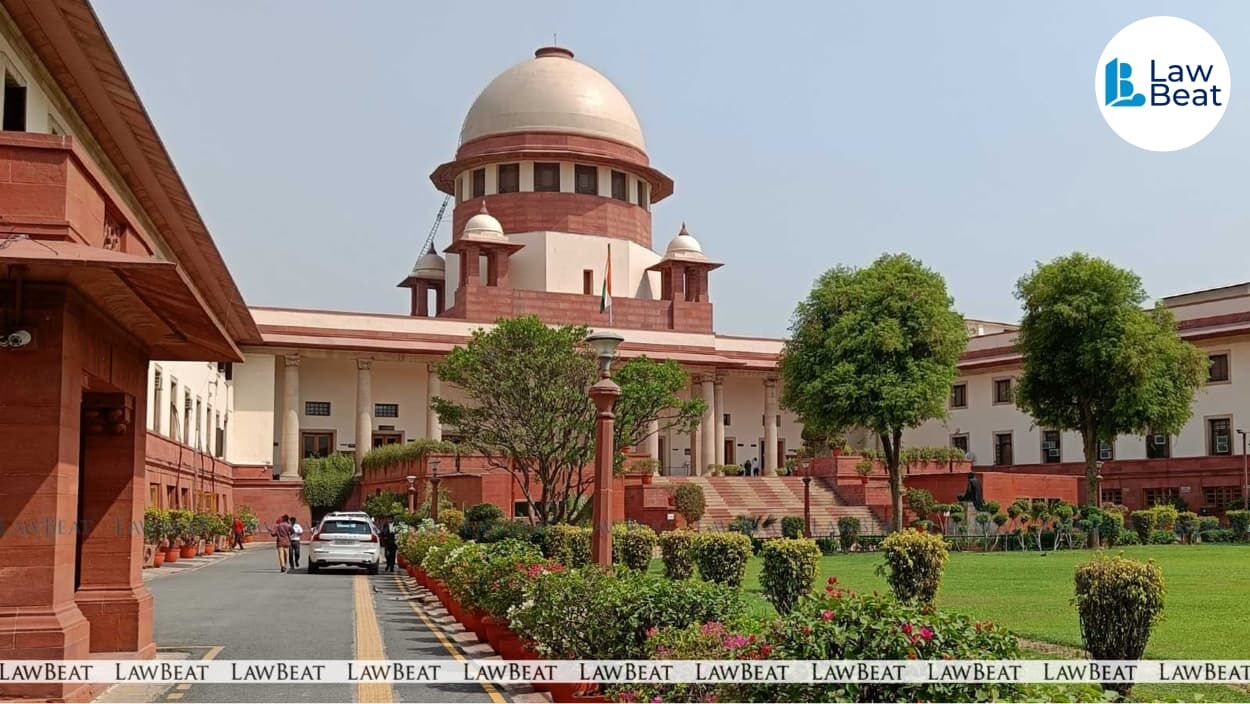
Supreme Court: Centre Objects to Activist Claims on Indian Deaths in Ukraine
Summary
- Out of 217 Indian nationals who joined the Russian armed forces during the conflict, 49 individuals lost their lives.
- Six Indian Nationals still remain missing after joining the Russian armed forces.
- The Supreme Court has directed the Ministry of External Affairs to appoint a nodal officer to coordinate with the families and facilitate DNA matching.
- The Centre has objected to activists sensationalizing the death of Indian nationals, stating that submissions are being made for social media purposes rather than out of concern for the affected families.
What Happened
Activists are raising issues without being in touch with the families,
The Centre has objected to activists sensationalizing the death of Indian nationals who were forced to participate in the Russia-Ukraine conflict. According to the Supreme Court, out of the 217 Indian nationals who joined the Russian armed forces during the conflict, 49 individuals lost their lives. The court was informed that six Indian Nationals still remain missing. Lawyers representing Indian families affected by the conflict should advise their clients to follow up with the Ministry of External Affairs for updates on DNA matching and compensation claims, as directed by the Supreme Court.
The Centre has been facilitating the families and coordinating with the Ministry of External Affairs for the last three months. The Russian side is not handing over bodies without DNA matching, and the Centre has repeatedly written to the families about this. This is in line with the Supreme Court's directive to appoint a nodal officer to coordinate with the families and facilitate DNA matching.
The court was also told that 139 Indian nationals had already been released from their contractual military engagements after diplomatic dialogue with Russian authorities. The mortal remains of eight deceased individuals are soon to be brought back to India, while DNA verification processes are underway in other cases.
Legal Context
The Supreme Court has been hearing a petition filed by family members and close relatives of 26 Indian Nationals who were induced or lured by recruitment agents operating within India. The court has directed the Ministry of External Affairs to appoint a nodal officer to coordinate with the families and facilitate DNA matching. The Centre has objected to activists sensationalizing the death of Indian nationals, stating that submissions are being made for social media purposes rather than out of concern for the affected families.
The Supreme Court's directive is in line with its previous orders on the matter. In May, the Union Government informed the court that 49 individuals had lost their lives and six were still missing. The Centre has been coordinating with the Ministry of External Affairs to facilitate DNA matching and compensation claims.
The court has also directed that all relevant information be provided to the affected families in their respective vernacular languages.
Why It Matters
The Centre's objection to activists sensationalizing the death of Indian nationals highlights the need for a more nuanced approach to reporting on sensitive issues. The Supreme Court's directive to appoint a nodal officer and facilitate DNA matching is aimed at ensuring that the affected families receive timely and accurate information about their loved ones.
The issue also raises questions about the role of recruitment agents operating within India and the need for stricter regulations to prevent exploitation of Indian nationals. The Centre's efforts to coordinate with the Ministry of External Affairs and facilitate DNA matching are a step in the right direction, but more needs to be done to address the underlying issues.
The case highlights the importance of accurate reporting and responsible activism in sensitive situations. Activists should focus on raising awareness about the issue rather than sensationalizing it for social media purposes.
Practical Implications
Lawyers representing Indian families affected by the Russia-Ukraine conflict should advise their clients to follow up with the Ministry of External Affairs for updates on DNA matching and compensation claims, as directed by the Supreme Court.
Source
Source: Original reporting via LawBeat
How does this affect your business?
Get an AI analysis of this article grounded in your jurisdictions, practice areas, and any policy documents you've uploaded to Wansom.
Wansom is AI and can make mistakes.