
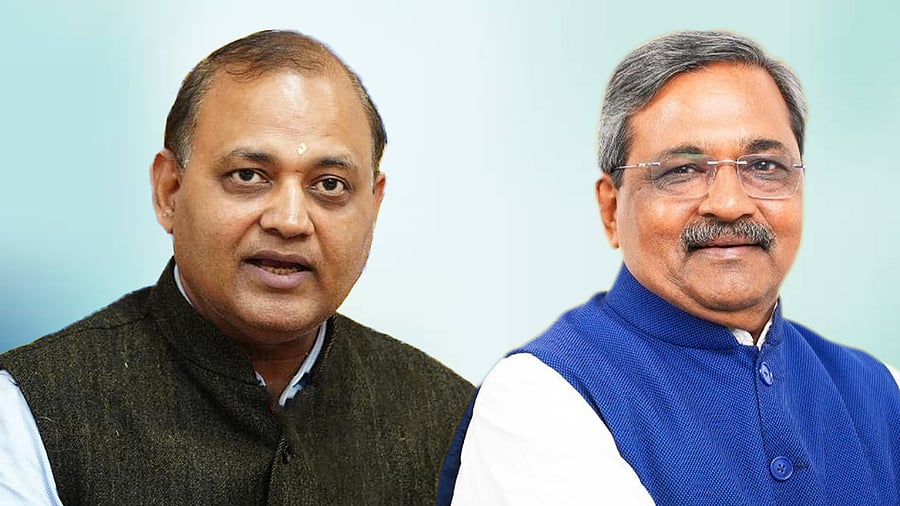
Supreme Court agrees to hear Somnath Bharti's plea against election of BJP MLA Satish Upadhyay from Malviya Nagar
Abstract
The Supreme Court of India has agreed to hear a plea filed by Somnath Bharti, leader of the Aam Aadmi Party (AAP), challenging the election of Bharatiya Janata Party (BJP) MLA Satish Upadhyay from Delhi's Malviya Nagar constituency. The plea contests the Delhi High Court's judgment upholding Upadhyay's election and alleges corrupt practices under the Representation of the People Act, 1951. The Supreme Court will now hear the case in detail.
Introduction
The Supreme Court's decision to grant leave to Somnath Bharti's plea is significant as it paves the way for a detailed examination of the election process and the allegations of corrupt practices made against Satish Upadhyay. The outcome of this matter has not yet been reported, but the implications of the court's ruling will be far-reaching. This article provides an overview of the background to the case and the legal significance of the Supreme Court's decision.
Background
The Malviya Nagar constituency election was held in 2025, with Satish Upadhyay emerging victorious over Somnath Bharti by a margin of around 2,100 votes. Following his loss, Bharti filed an election petition alleging corrupt practices under the Representation of the People Act, 1951. The petition claimed that Upadhyay failed to disclose information relating to a pending criminal complaint or FIR, which was mandatory under election law. It also alleged that Upadhyay used cars to transport voters to the booths and manipulated the voters' list.
Analysis
The Supreme Court's decision to grant leave to Bharti's plea also raises questions about the role of political parties in ensuring the integrity of the electoral process. The allegations made against Upadhyay, if proven true, could suggest a lack of transparency and accountability within the BJP. However, it is also worth noting that the court's ruling will be based on the evidence presented and not on party affiliations.
Conclusion
The Supreme Court's ruling on this case will be a significant milestone in the development of electoral law in India. It is essential for practitioners to remain vigilant and continue to monitor the progress of this matter as it unfolds.
How does this affect your business?
Get an AI analysis of this article grounded in your jurisdictions, practice areas, and any policy documents you've uploaded to Wansom.