
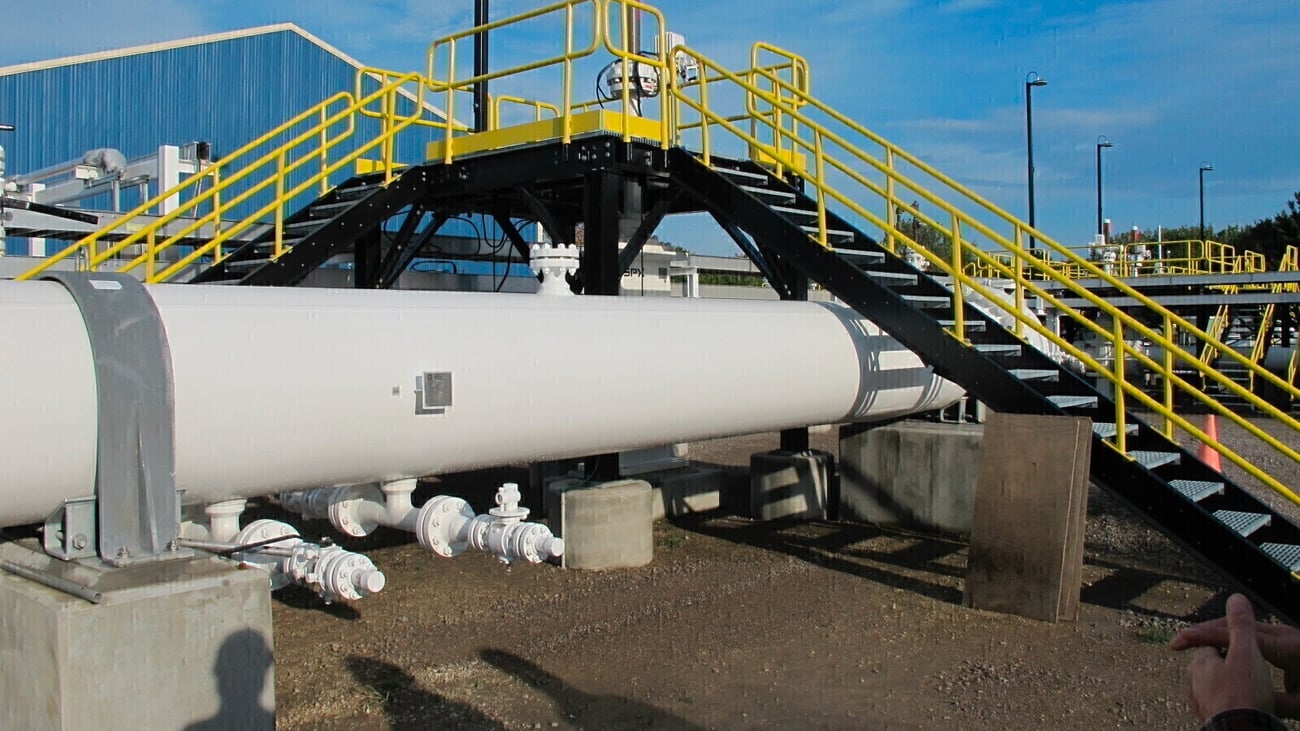
Seventh Circuit rejects shutdown of Line 5 pipeline on tribal lands
Summary
- A Seventh Circuit panel has ruled that Enbridge Energy's Line 5 pipeline cannot continue to trespass on the Bad River Reservation without consequence.
- The decision rejects the complete shutdown of Line 5 but orders its rerouting as soon as possible to protect tribal interests.
- The ruling criticizes Enbridge's behavior as 'unacceptable' and orders the company to remove the pipeline from tribal lands within a reasonable timeframe.
- The Seventh Circuit panel also criticized U.S. District Judge William Conley's original order, finding it overly aggressive and an abuse of discretion.
- The decision has significant implications for lawyers advising clients with pipelines crossing tribal lands, highlighting the potential for courts to require rerouting or shutdown.
Seventh Circuit Rejects Shutdown of Line 5 Pipeline
A Seventh Circuit panel has ruled that Enbridge Energy's Line 5 pipeline cannot continue to trespass on the Bad River Reservation without consequence, but stopped short of ordering its complete shutdown. The decision comes after a complex case involving two treaties: the 1854 Treaty creating the Bad River Reservation and the Transit Treaty between the U.S. and Canada prohibiting intentional interference with hydrocarbon pipelines. The panel agreed that Line 5 must be rerouted as soon as possible to protect the interests of the Bad River Band, but found the original order's three-year deadline for completion to be overly aggressive and an abuse of discretion.
The ruling is a significant development in the long-standing dispute over the pipeline's presence on tribal lands. Enbridge's Line 5 carries oil and natural gas liquids between the U.S. and Canada, spanning 645 miles and crossing 12 miles of Bad River Reservation land. The pipeline has been at the center of controversy for years, with the Band seeking its removal due to concerns over environmental damage and erosion risks.
The Seventh Circuit panel's decision is a mixed outcome for both parties involved. While it rejects the complete shutdown of Line 5, it also criticizes Enbridge's behavior as 'unacceptable' and orders the company to remove the pipeline from tribal lands within a reasonable timeframe.
Relevant Legal Context
The Seventh Circuit's decision is rooted in its interpretation of two key treaties: the 1854 Treaty creating the Bad River Reservation and the Transit Treaty between the U.S. and Canada. The 1854 Treaty grants the Bad River Band ownership of the land, while the Transit Treaty prohibits intentional interference with hydrocarbon pipelines. The panel's ruling acknowledges the complexity of these competing interests and seeks to balance them in its decision.
The case also highlights the importance of considering international implications when dealing with cross-border infrastructure projects like Line 5. The potential for shutdown or rerouting has significant economic and diplomatic consequences, as evidenced by the amicus briefs filed by the U.S. and Canada opposing Conley's shutdown order.
The Seventh Circuit panel's decision is also notable for its criticism of U.S. District Judge William Conley's original order. The panel found that Conley's deadline for completion was overly aggressive and an abuse of discretion, and ordered him to retool the remedy to ensure accountability and oversight.
Why It Matters
The Seventh Circuit's decision has significant implications for lawyers advising clients with pipelines crossing tribal lands. The ruling highlights the potential for courts to require rerouting or shutdown of pipelines, and emphasizes the importance of considering tribal rights and interests in infrastructure development.
The case also underscores the need for companies like Enbridge to engage in meaningful consultation and negotiation with tribes and regulators to mitigate risks and comply with changing regulations. As the landscape and needs of tribal communities continue to evolve, companies must be prepared to adapt their operations and prioritize environmental protection and accountability.
Ultimately, the Seventh Circuit's decision serves as a reminder that pipelines crossing tribal lands are subject to complex legal and regulatory frameworks. Companies operating in these areas must navigate these complexities carefully to avoid costly delays, reputational damage, and potential shutdowns.
Practical Implications
Lawyers advising clients with pipelines crossing tribal lands should be aware of the potential for courts to require rerouting or shutdown, and may need to negotiate with tribes or regulators to mitigate risks and comply with changing regulations.
Source
How does this affect your business?
Get an AI analysis of this article grounded in your jurisdictions, practice areas, and any policy documents you've uploaded to Wansom.
Wansom is AI and can make mistakes.